🔍 Executive Summary
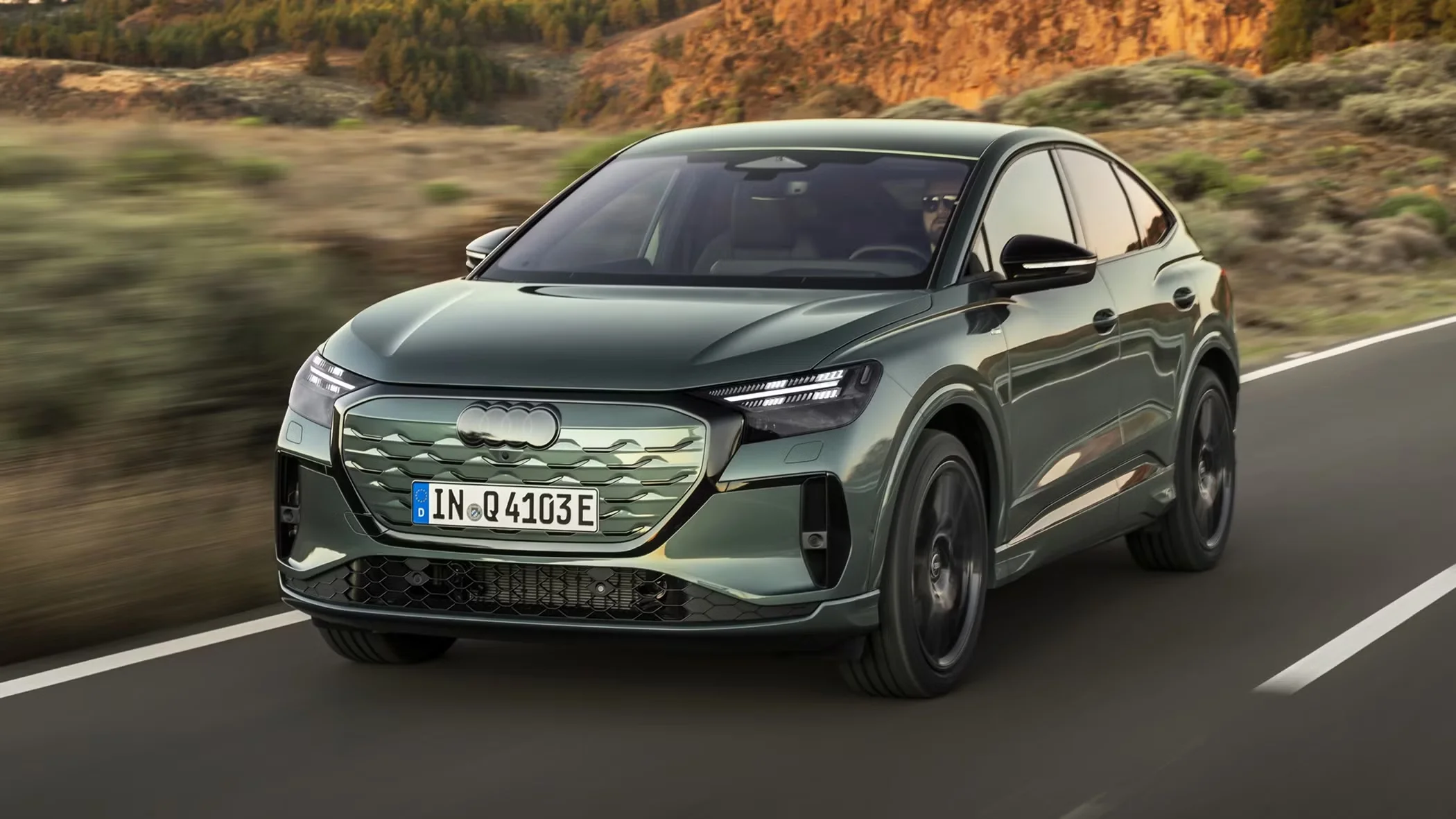
- The 2027 Audi Q4 e-tron introduces a significant range boost and V2H capabilities, positioning the EV as a central component of the residential energy ecosystem.
Strategic Deep-Dive
The automotive landscape is undergoing a profound transformation where the utility of an electric vehicle is no longer confined to the road. The 2027 Audi Q4 e-tron revamp serves as a definitive case study in this evolution, merging extended range capabilities with a sophisticated Vehicle-to-Home (V2H) power integration strategy. As Audi prepares this updated model, the primary focus lies in shifting the value proposition from raw performance to integrated energy management.
By enabling the Q4 e-tron to power residential units, Audi is effectively transforming its fleet into mobile energy storage assets, a move that aligns with broader global trends toward decentralized energy grids and residential resilience.
Technologically, the revamp addresses the foundational requirements of the modern EV buyer: increased range and faster utility. While specific battery chemistry details remain proprietary, the overarching strategy involves optimizing the vehicle’s existing architecture to extract maximum efficiency. This technical progression places the Q4 e-tron in a unique position within the Volkswagen Group’s hierarchy.
When juxtaposed with the Porsche Macan Electric, the Q4 e-tron represents the practical application of premium electrification technology. While the Macan pushes the boundaries of high-performance driving dynamics, the Q4 e-tron leverages similar ecosystem synergies to deliver everyday reliability and energy flexibility. This relationship highlights a strategic bifurcation within the group, where technology developed for flagship performance models is distilled into versatile, utility-focused luxury SUVs.
From a strategic perspective, the inclusion of V2H functionality is not a mere secondary feature; it is a fundamental shift in market positioning. As energy prices fluctuate and grid stability becomes a concern in many regions, the ability to utilize an EV as a backup power source provides a compelling economic rationale for ownership. Audi’s decision to prioritize this feature indicates an understanding that the next generation of luxury consumers values technological sovereignty and environmental stewardship as much as driving comfort.
The 2027 Q4 e-tron is thus positioned not just as a vehicle, but as a critical infrastructure component for the smart home of the future. As the industry moves toward 2030, Audi’s focus on the synergy between mobility and energy management sets a new benchmark for what a premium electric SUV should provide, ensuring the brand remains relevant in a market where consumers are increasingly looking for holistic technological solutions.