🔍 Executive Summary
- LG Display has marked a historic financial turnaround in Q1 2026, reporting its strongest operating profit in five years. This milestone confirms the success of its high-end OLED strategy and signals the official conclusion of a multi-year workforce restructuring era, shifting the company from a defensive survival mode to an offensive market expansion phase.
Strategic Deep-Dive
The first quarter of 2026 marks a watershed moment for LG Display, as the company has reported its most robust operating profit in half a decade. This performance is not merely a seasonal uptick but a definitive validation of a grueling, multi-year strategic pivot that has seen the company transform its core identity. Since 2021, LG Display has navigated a volatile landscape characterized by the rapid commoditization of the LCD market, fluctuating consumer demand, and the heavy capital expenditure required for next-generation facilities.
By reporting this five-year high, the firm has signaled to the global investment community and its competitors that the period of vulnerability is over, replaced by a streamlined, highly profitable operation focused on the premium display tier.
The structural underpinnings of this success reside in the company’s aggressive transition to high-end OLED panels. For years, LG Display was forced into a defensive posture, managing the decline of its legacy LCD business while simultaneously investing billions into OLED capacity. In 1Q26, this ‘offensive scaling’ strategy finally reached its stride.
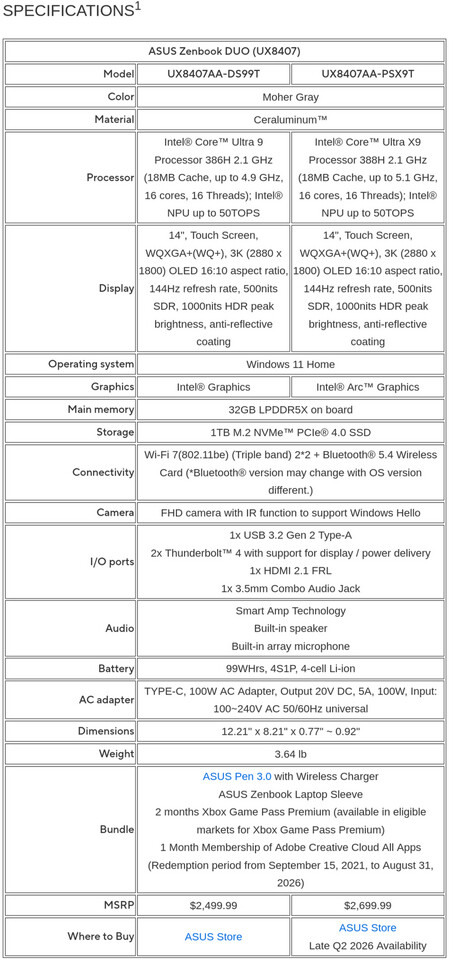
The demand for tandem OLED structures in tablets and laptops, alongside the expansion of OLED into the automotive sector, has provided the high-margin revenue streams necessary to offset broader economic pressures. Unlike previous years where OLED was a niche luxury, it is now the standard for top-tier electronics, and LG Display’s early mastery of large-scale, high-yield production has given it a formidable competitive moat. The profitability achieved this quarter reflects a optimized product mix where value-added features like high refresh rates and superior power efficiency are commanding significant price premiums.
Perhaps more significant than the financial figures themselves is the official signal that LG Display’s long era of workforce restructuring has come to an end. Over the past few years, the company has undergone several rounds of downsizing and organizational realignment to lower its break-even point. While these measures were necessary for survival, they often placed a strain on corporate morale and long-term R&D continuity.
Management’s indication that no further major cuts are planned suggests a newfound confidence in the company’s current operational scale. This shift from a contractionary phase to one of organizational stability is critical. It allows the company to pivot its internal focus back toward innovation, employee retention, and the aggressive pursuit of technological breakthroughs in areas like micro-LED and transparent displays.
As LG Display moves forward, the challenge will shift from cost management to market leadership maintenance. The end of restructuring implies that the company now views its workforce as an asset to be grown rather than a cost to be cut. With a stabilized financial foundation and a dominant position in the OLED supply chain, LG Display is well-positioned to navigate the next cycle of the display industry.
The 1Q26 report is a testament to the efficacy of disciplined technical specialization over broad-market competition. By doubling down on the hardest-to-make display technologies, LG Display has effectively decoupled its fate from the volatile commodity panel market, ensuring that its future is defined by high-value innovation rather than volume-based survival.