🔍 Executive Summary
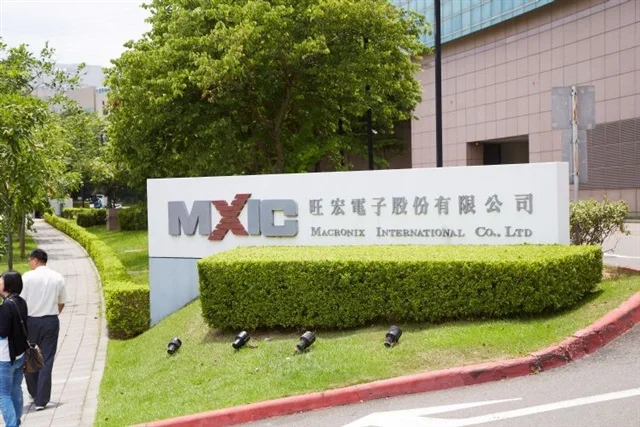
- Macronix has officially exited a period of loss-making, reporting a return to profitability in the first quarter of 2026. This recovery is underpinned by a broader stabilization in the memory market, characterized by disciplined supply constraints, robust NAND flash revenue growth, and a significant improvement in Average Selling Prices (ASPs), signaling a new upward phase in the memory cycle.
Strategic Deep-Dive
The global memory semiconductor market is officially entering a new phase of the cycle, evidenced by Macronix’s pivot back to profitability in the first quarter of 2026. After enduring multiple quarters of stagnant demand and a debilitating inventory glut, the Taiwan-based manufacturer has reported a significant financial recovery that serves as a bellwether for the broader flash memory sector. The primary driver behind this resurgence is a combination of supply-side discipline and a strategic shift toward higher-margin NAND flash products.
Over the past year, major memory producers, including Macronix, have engaged in aggressive production cuts to rebalance the market. These efforts have finally borne fruit as excess inventories across the supply chain have been depleted, allowing for a healthy rebound in Average Selling Prices (ASPs). The recovery in Macronix’s margins is particularly notable given the competitive nature of the non-volatile memory market.
By focusing on industrial, automotive, and medical applications—sectors that require high reliability and long-term supply stability—Macronix has been able to command a pricing premium compared to the more volatile consumer commodity market. This return to profit has profound implications for global hardware supply chains. For years, electronics manufacturers have benefited from artificially low memory prices due to oversupply; however, that era is coming to a close.
As memory makers regain their pricing power, the cost of manufacturing everything from enterprise-grade servers to high-end consumer electronics is set to rise. This inflationary pressure on hardware will likely force downstream companies to either absorb the costs or pass them on to consumers, potentially impacting the demand for discretionary tech products. From a technical analyst’s perspective, Macronix’s success in 1Q26 is a clear signal that the ‘inventory correction’ phase is over.
The focus has now shifted to capacity management and the transition to advanced nodes. As AI applications drive up the demand for high-density storage and fast data retrieval, companies like Macronix that have maintained operational efficiency and financial health during the downturn are well-positioned to lead the next expansionary phase. The market is now watching closely to see if this discipline holds; any premature ramp-up in production could trigger another glut, but for now, the outlook is overwhelmingly positive.
Macronix’s trajectory in 2026 suggests that the memory industry has learned from its past excesses, prioritizing profitability and strategic inventory levels over raw market share. For enterprise procurement officers, the message is clear: the window of cheap memory has closed, and the new priority must be securing long-term supply agreements to mitigate the impact of rising ASPs in a tightening market.