🔍 Executive Summary
- Meta is fundamentally re-engineering the energy architecture of its AI infrastructure through high-stakes partnerships with Overview Energy and Noon Energy. This initiative combines space-based solar harvesting with advanced long-duration energy storage (LDES) to provide a 24/7, carbon-free power supply for its massive data centers, effectively bypassing the limitations of traditional terrestrial power grids and intermittent renewables.
Strategic Deep-Dive
As the computational requirements for Generative AI continue to scale exponentially, the underlying energy infrastructure has become the most significant bottleneck for global hyperscalers. Meta’s recent announcement of a strategic partnership with Overview Energy and Noon Energy represents a bold departure from traditional energy procurement, signaling a move toward orbital energy harvesting and ultra-long-duration storage. The core of this initiative lies in the integration of space-based solar power (SBSP) with Long-Duration Energy Storage (LDES), a combination designed to provide a continuous, high-density power stream that terrestrial renewable sources simply cannot match.
Traditional solar and wind energy suffer from inherent intermittency; they are dictated by the weather and the diurnal cycle. For a company like Meta, which operates massive data centers hosting billions of parameters for LLM training, even a momentary drop in power can lead to catastrophic losses in compute time and data integrity. By capturing solar energy in geostationary orbit, where the solar flux is consistently eight times higher than on the Earth’s surface and unaffected by atmospheric attenuation, Meta effectively secures a constant energy source.
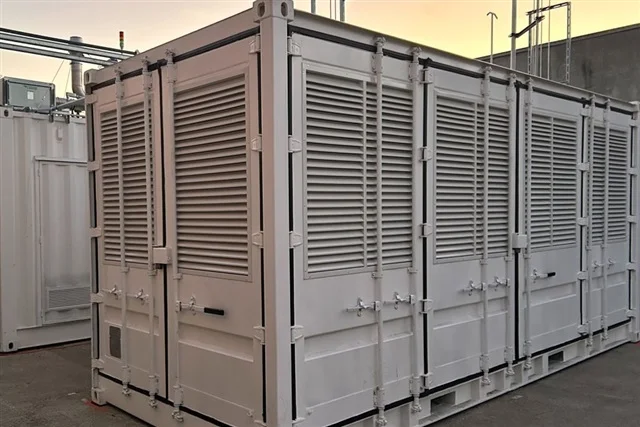
The challenge then shifts to storage. This is where Noon Energy’s technology becomes pivotal. Unlike lithium-ion batteries, which are optimized for short-duration discharge (typically 4 hours), LDES systems utilize carbon-oxygen battery chemistry to store energy for days or even weeks.
This duration is critical for maintaining grid stability during prolonged periods of low renewable output or during peak load stresses that the current aging utility infrastructure is ill-equipped to handle. From a strategic perspective, Meta is not just seeking to reduce its carbon footprint; it is engaging in a deep vertical integration of its energy supply chain to insulate itself from the volatility of global energy markets and the limitations of national grids. We are entering an era where ’energy sovereignty’ is directly tied to AI performance.
By controlling the source (space-based solar) and the buffer (LDES), Meta is building a competitive moat that ensures its AI systems remain operational while competitors struggle with power rationing or skyrocketing utility costs. Furthermore, this move addresses the ‘24/7 matching’ challenge, where companies aim to match their hourly consumption with renewable generation. While most firms rely on virtual power purchase agreements (PPAs) and carbon offsets, Meta is investing in the physical hardware required to achieve true round-the-clock reliability.
This orbit-to-grid strategy is a high-risk, high-reward bet on the future of energy, potentially setting a new industry standard for how AI giants must manage their planetary-scale resource demands. In the long run, the success of this project could decouple AI growth from the constraints of terrestrial power availability, positioning Meta as a sovereign entity in both the digital and energy realms.