🔍 Executive Summary
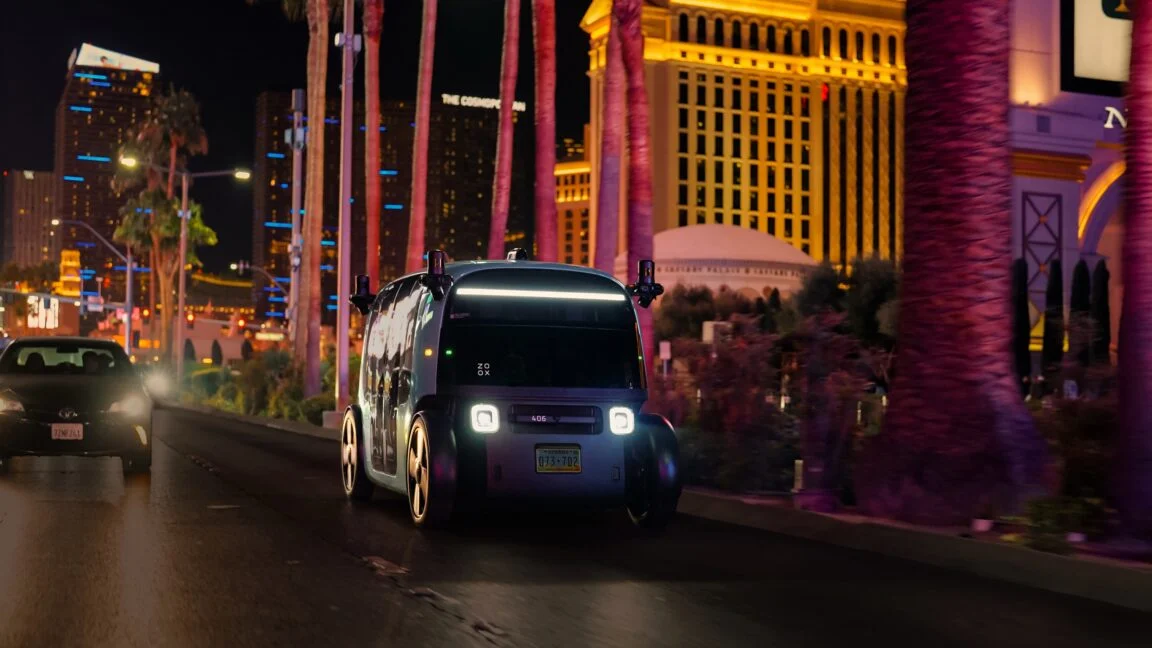
- Zoox’s development philosophy prioritizes a sensor-first architectural layout combined with a bidirectional design, creating a specialized vehicle system optimized for the unique rigors of autonomous taxi operations.
Strategic Deep-Dive
In the evolution of autonomous mobility, the Zoox system architecture stands as a definitive case study in purpose-built hardware-software co-design. The foundational principle behind this engineering approach is to treat the vehicle not as a modified car, but as a mobile, high-availability computing node. This is most evident in the decision to start with the sensors and then design the rest of the vehicle.
By prioritizing the sensor-first philosophy, the system architect ensures that the perception stack is never compromised by the structural pillars or aerodynamic silhouettes of traditional automotive design. Instead, the vehicle’s geometry is dictated by the requirements of the LIDAR, radar, and camera arrays, creating a high-fidelity data environment that serves as the bedrock for the autonomous driving system’s decision-making engine. This ensures a 360-degree environmental awareness that is fundamental to the safety and reliability of any level 5 autonomous system.
Complementing this perception-native topology is the implementation of a bidirectional design. For a working taxi, the architectural implications of bidirectionality are profound. From a systems perspective, a bidirectional vehicle eliminates the traditional orientation-dependent state machine in motion planning.
Whether the vehicle is moving ‘forward’ or ‘backward’ is irrelevant, as the hardware possesses total symmetry in both its drivetrain and its sensing capabilities. This symmetry provides clear advantages for urban deployment, where the constraints of narrow streets and high-traffic density often necessitate complex maneuvers. By enabling the vehicle to simply reverse its trajectory without the need for U-turns or multi-point steering, the system significantly reduces the complexity of local path planning and minimizes the time the vehicle spends in vulnerable, cross-traffic positions.
From a data systems and fleet management standpoint, this bidirectional hardware architecture simplifies the optimization of arrival and departure sequences. In a traditional fleet, vehicle orientation is a critical variable that must be tracked and managed; however, the Zoox architecture treats orientation as a non-issue, thereby streamlining the logistics of passenger pickup and drop-off. This level of hardware-driven efficiency translates directly into higher uptime and lower operational latency across the entire network.
Furthermore, the symmetry of the design likely extends to the internal redundancy of the systems, as a bidirectional platform demands consistent power delivery and control logic at both ends of the chassis. By reimagining the vehicle’s form factor around the specific needs of a working taxi, Zoox has bypassed the technical debt associated with 20th-century automotive engineering. The result is a specialized autonomous platform where every architectural choice—from the placement of a single sensor to the symmetric layout of the drivetrain—is calibrated to maximize the performance of the autonomous agent and the operational reliability of the service it provides.
This shift from ‘driverless car’ to ‘autonomous robot’ represents the next phase in the maturation of global technology systems in the transportation sector.