🔍 Executive Summary
- Once a titan of the telecommunications industry, Motorola’s influence on the Android ecosystem has reached an all-time low. This analysis explores how the brand transitioned from a global market leader to a reactive, peripheral player in the smartphone hardware sector.
Strategic Deep-Dive
The story of Motorola is a poignant narrative of missed opportunities and strategic erosion. For decades, the brand was synonymous with telecommunications innovation—from the world’s first mobile phone to the iconic Razr that dominated the early 2000s. When the smartphone era arrived, Motorola was the key ally Google needed to launch Android into the mainstream, with the ‘Droid’ series serving as a credible rival to the iPhone.
However, the contemporary landscape tells a very different story. Today, the brand that once shaped the industry is barely a footnote in the global sales charts, struggling to maintain relevance against the relentless innovation of giants like Samsung and Apple.
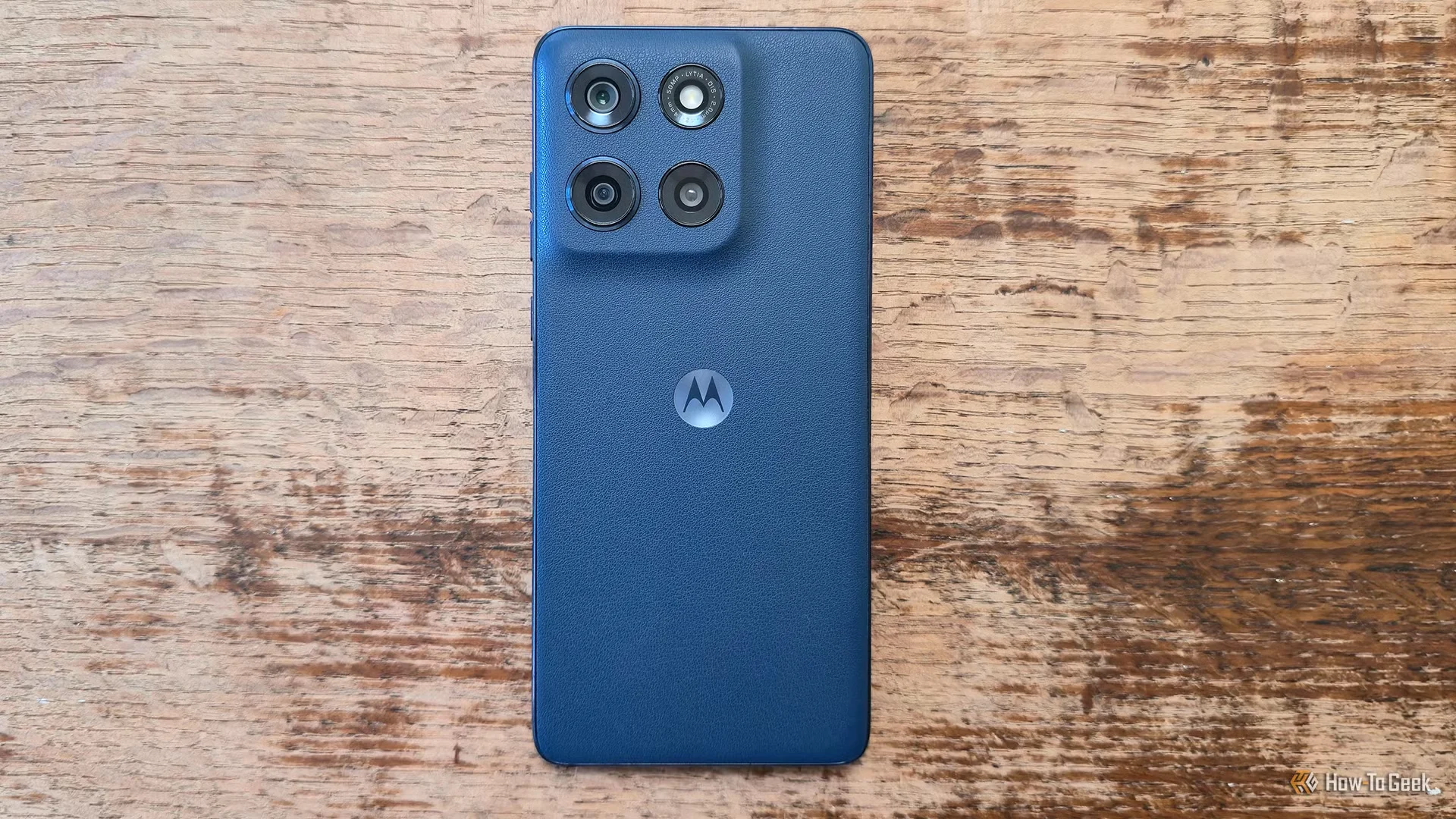
Motorola’s current position is characterized by a reactive product strategy. While the upcoming Moto G Stylus 2025 targets a specific budget-conscious niche with a stylus preference, it lacks the disruptive spark that once defined the brand’s engineering prowess. The core issue lies in the loss of a distinctive identity; Motorola has transitioned from an industry leader to a peripheral player that competes primarily on price rather than innovation.
This decline underscores the volatility of the smartphone hardware market, where brand loyalty is fleeting and historical significance does not translate to future success. For a legacy brand, the inability to evolve alongside the software and hardware convergence of the 2020s has led to a slow dilution of influence. Motorola’s journey serves as a stark warning to other tech titans: in a market defined by rapid obsolescence, past glory offers no protection against future irrelevance.