🔍 Executive Summary
- In response to the severe DRAM shortage and price volatility currently crippling the PC hardware sector, Valve has pivoted to a staggered launch strategy. While the RAM-heavy Steam Machine and Steam Frame remain in pricing limbo, Valve has released the Steam Controller early, leveraging its lack of memory components to maintain market presence despite the global supply chain crisis.
Strategic Deep-Dive
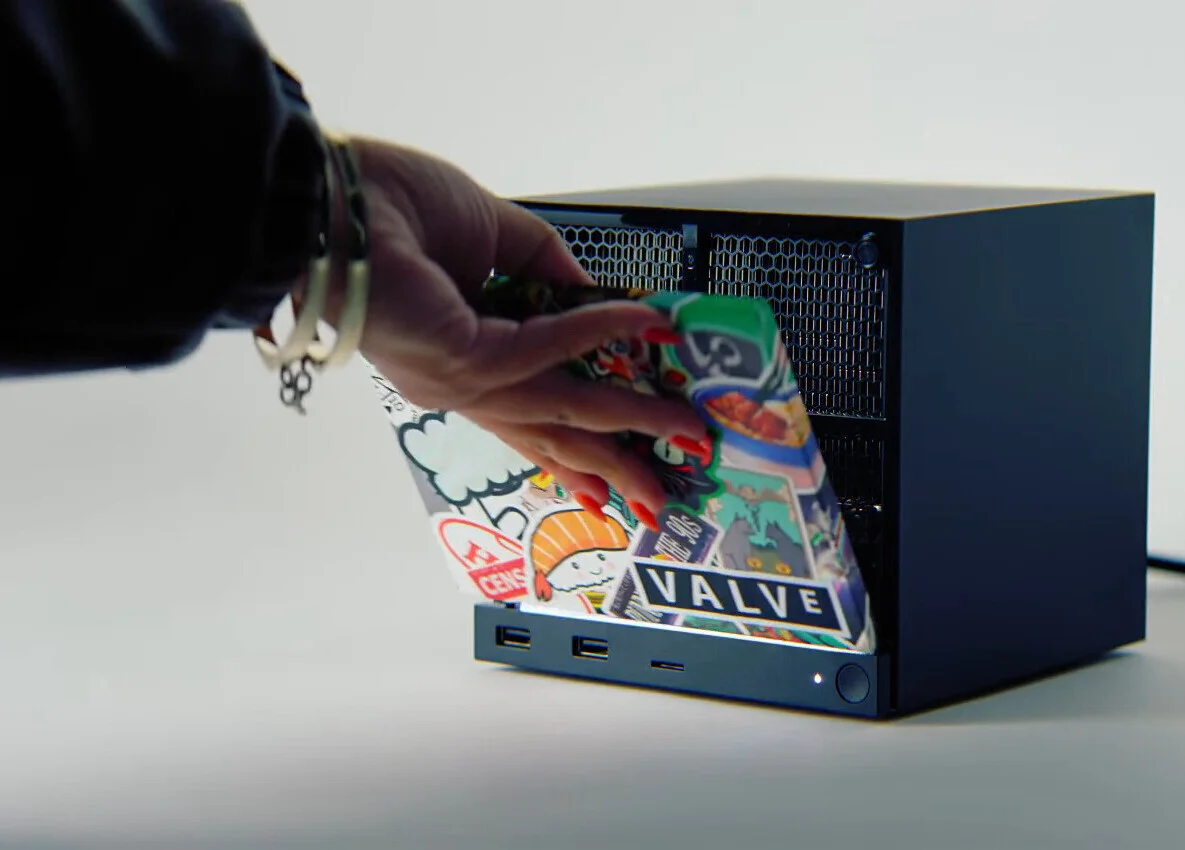
The global PC hardware industry is currently reeling from a severe DRAM supply-demand imbalance, and Valve has emerged as one of the most visible casualties of this volatility. For months, the cost of volatile memory has fluctuated so wildly that predictable manufacturing cycles have become nearly impossible to maintain. Valve, which had been preparing for a massive push into the living room with its Steam Machine and Steam Frame devices, recently confirmed that it has been forced to indefinitely delay the pricing announcements for these core units.
The challenge is fundamentally economic: in a landscape where the Bill of Materials (BoM) can increase by double-digit percentages in a matter of weeks due to DRAM costs, committing to a fixed retail price for a consumer device is a recipe for financial disaster.
Valve’s response to this crisis is a masterclass in pragmatic supply chain management, albeit one born of necessity. By adopting a staggered launch approach, the company has decided to decouple the release of its hardware ecosystem. The centerpiece of this pivot was the early, independent release of the Steam Controller.
During a briefing regarding the supply chain hurdles, the company famously simplified the logic behind the move, stating, “This doesn’t have RAM in it.” This blunt technical reality allowed Valve to move forward with at least one segment of its hardware roadmap without being held hostage by the skyrocketing costs and limited availability of memory modules. While the controller was originally intended to be a companion to the more powerful Steam Machine and Steam Frame, it is now serving as the vanguard of Valve’s 2026 hardware strategy.
This decoupling strategy is a double-edged sword. On one hand, it allows Valve to maintain its momentum and keep its brand relevant in the hardware conversation while waiting for the semiconductor market to stabilize. It prevents a total blackout of new product releases and gives early adopters a piece of the ecosystem to interact with.
On the other hand, the hardware ecosystem was designed to be synergistic. A Steam Machine without its bespoke controller—or a controller without its dedicated host hardware—breaks the cohesive user experience that Valve has been marketing for years. The delay of the ‘brains’ of the operation (the Machine and Frame) due to DRAM price shocks highlights the extreme vulnerability of even major tech giants to commodity market fluctuations.
For a company that operates a dominant software platform, the hardware business remains a complex arena where technical ingenuity cannot always overcome raw supply chain constraints.
Industry analysts are closely watching how this delay will affect Valve’s long-term competitive position against traditional console manufacturers like Sony and Microsoft, who often have long-term supply contracts that shield them from short-term spot market volatility. Valve, operating with a more specialized hardware footprint, does not always have that same leverage. The current DRAM crisis serves as a stark reminder that in the hardware world, the most innovative software platform in the world is still at the mercy of the silicon foundries and memory fabricators.
Until the DRAM market finds its equilibrium, Valve’s ambitious hardware dreams will remain partially on ice, leaving the Steam Controller to carry the flag alone in a fragmented launch schedule.