🔍 Executive Summary
- The Mitsubishi Outlander has successfully transitioned from a utilitarian 'basic' SUV to a luxury contender. By prioritizing an upscale redesign and high-quality materials, Mitsubishi offers a premium experience at a price point that undercuts traditional luxury rivals.
Strategic Deep-Dive
The trajectory of the Mitsubishi Outlander represents a masterful strategic pivot in an automotive market increasingly polarized between budget utility and high-end luxury. Historically, the Outlander was perceived as a ‘basic’ choice—a reliable but uninspired utilitarian vehicle for the cost-conscious consumer. However, the latest redesign signals a radical shift toward an upscale identity.
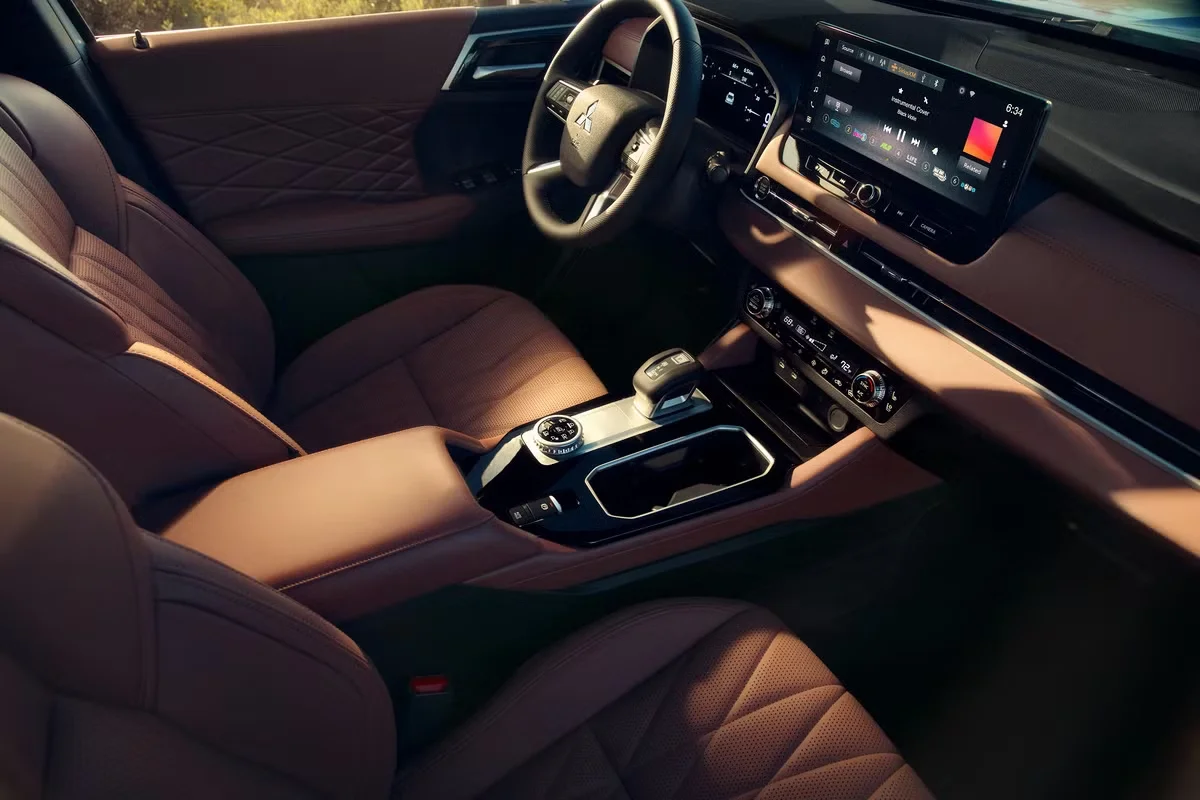
This transition is not merely cosmetic; it is a fundamental re-engineering of the vehicle’s value proposition. By integrating sophisticated exterior aesthetics with an interior that emphasizes high-quality materials and refined ergonomics, Mitsubishi has managed to produce a vehicle that punches significantly above its weight class.
From a market positioning standpoint, this ‘surprising yet welcome’ turn allows Mitsubishi to occupy the ‘attainable luxury’ space. In a landscape where European luxury SUVs are seeing consistent price inflation, the Outlander provides a compelling alternative for executive buyers who demand premium comfort without the exorbitant legacy surcharge. The success of this redesign lies in its ability to deliver an upscale emotional experience while maintaining the practical reliability that originally defined the brand.
This move upmarket is a calculated risk aimed at redefining Mitsubishi’s corporate identity, proving that high-impact design and perceived quality can effectively disrupt established market hierarchies. As the Outlander gains traction, it serves as a testament to the idea that luxury is no longer an exclusive domain but a standard that can be achieved through strategic design and thoughtful manufacturing.