🔍 Executive Summary
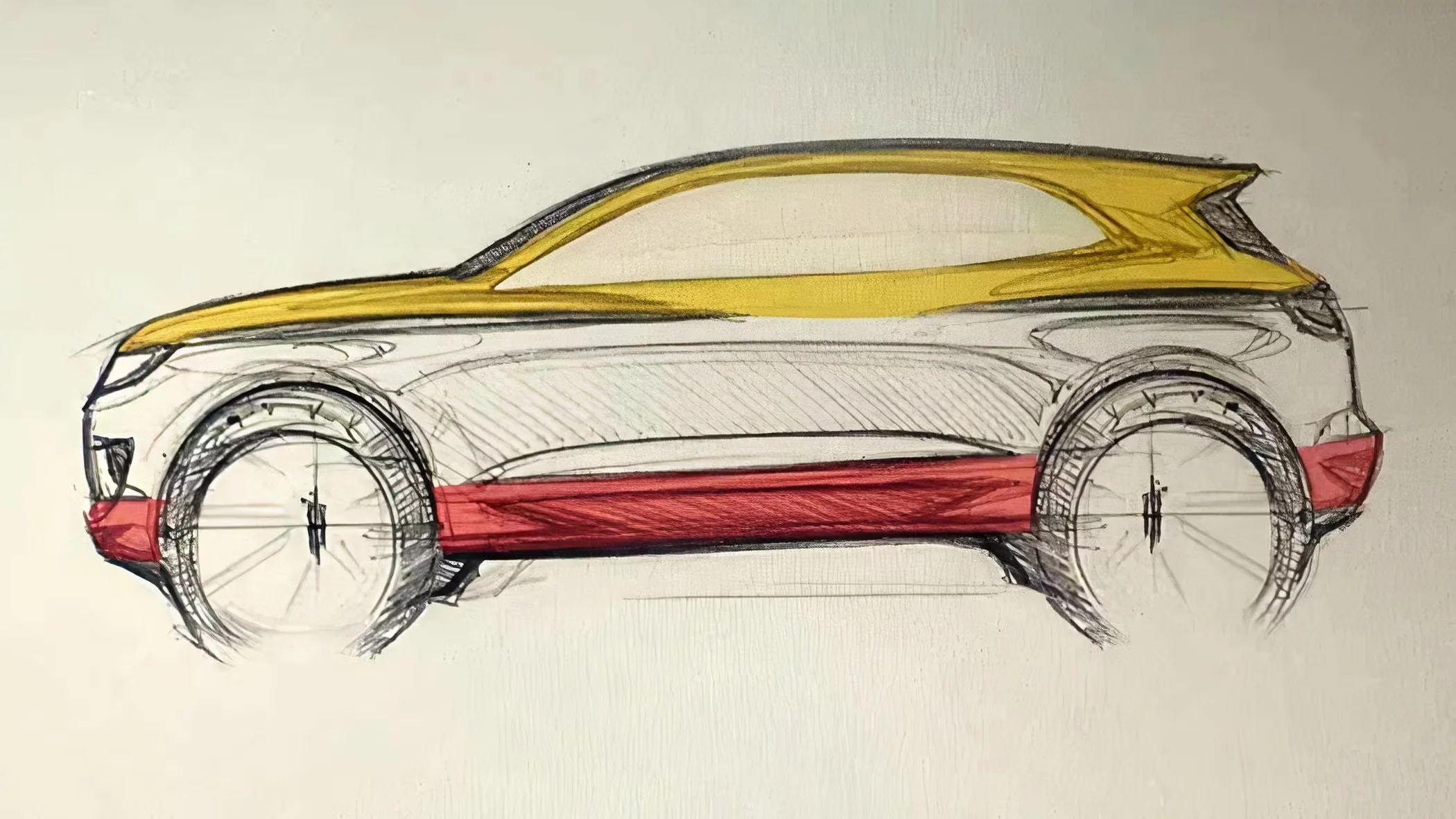
- Energy giant Shell is challenging the status quo of the electric vehicle industry by developing a concept EV that aims for a sub-10-minute charging time, effectively bridging the convenience gap between internal combustion engines and electric mobility.
Strategic Deep-Dive
The Strategic Rebirth of an Energy Giant: Shell’s 10-Minute EV Mandate
The recent announcement from Shell regarding its development of a concept electric vehicle (EV) capable of charging in under 10 minutes represents a seminal moment in the transition from fossil fuels to sustainable mobility. While the automotive industry has focused primarily on extending battery range, Shell has identified that the true bottleneck for mass adoption is not how far a car can go, but how quickly it can return to the road. By targeting a charging window that mimics the time it takes to refuel a traditional internal combustion engine (ICE) vehicle, Shell is attempting to eliminate the ’time penalty’ associated with EV ownership.
Addressing the Infrastructure and Thermal Bottlenecks
From an analytical perspective, Shell’s ambitious 10-minute goal forces a re-evaluation of current power delivery systems. Achieving such high rates of energy transfer requires a sophisticated orchestration of high-voltage hardware and advanced thermal management systems. While the source does not disclose specific voltage figures, the implication is clear: the vehicle must handle massive electrical currents without compromising battery longevity or safety.
Shell is uniquely positioned to address the other half of this equation—the infrastructure. By leveraging its global footprint of tens of thousands of retail locations, Shell can bypass the logistical hurdles that stymie dedicated EV charging startups. This integration of the vehicle’s hardware requirements with a pre-existing, ubiquitous charging network could create a closed-loop ecosystem that sets a new de facto industry standard.
Market Disruption: From Oil to Electrons
This move signifies Shell’s proactive response to the existential threat posed by the decline of oil demand. By positioning itself as a leader in ultra-fast charging technology, Shell is ensuring its relevance in a post-petroleum world. The competitive landscape is shifting; we are no longer just seeing car companies compete with each other, but also seeing energy providers challenge the technological dominance of established EV manufacturers.
For the consumer, this competition is a net positive. The introduction of 10-minute charging would effectively end ‘range anxiety’ as we know it, transforming the EV from a planned-trip necessity into a vehicle capable of spontaneous, long-distance travel. Shell is not just building a car; they are building the blueprint for the next century of refueling, where the speed of energy transfer becomes the ultimate competitive advantage.
As this project moves from concept to reality, it will likely pressure other major oil companies and automotive OEMs to accelerate their own research into high-speed energy delivery, potentially leading to a unified, rapid-charging global infrastructure.