🔍 Executive Summary
- The leadership of Lynas Rare Earths argues that building a sustainable, non-China centric supply chain requires immediate state-led investment in chemical processing and long-term price stability mechanisms.
Strategic Deep-Dive
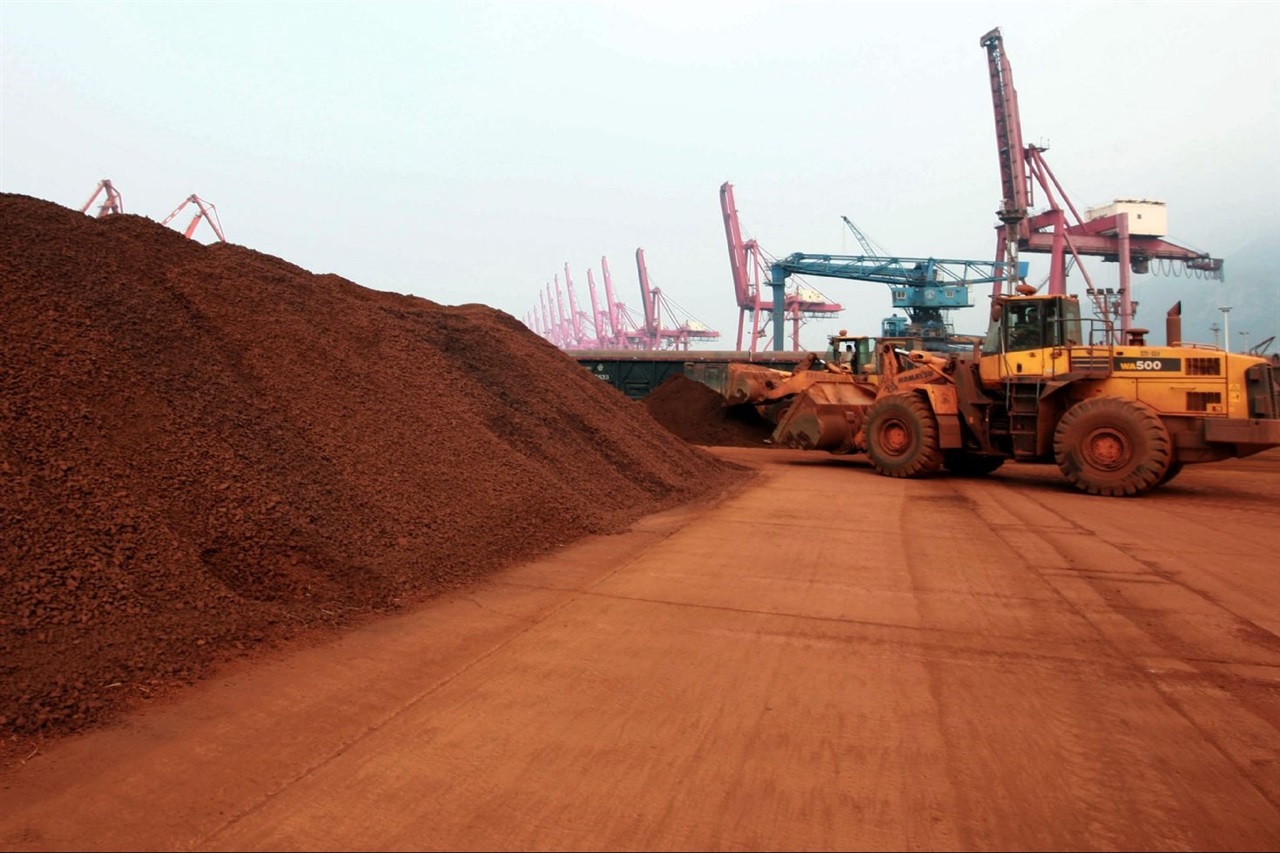
The geopolitical struggle over rare earth elements (REEs) has reached a critical inflection point, as Lynas Rare Earths CEO calls for a systemic overhaul of how Western nations approach mineral sovereignty. In a decisive analysis shared with Nikkei Asia, the leadership at Lynas emphasized that diversifying the global supply chain away from China requires more than just opening new mines; it necessitates the establishment of a complete, high-tech industrial ecosystem. Currently, China controls not only the extraction but also the vital mid-stream processing stages, such as hydrometallurgical leaching and complex solvent extraction, which are necessary to produce high-purity oxides of Neodymium and Praseodymium (NdPr).
To counter China’s decades-long strategy of state-subsidized pricing and market dominance, the Lynas CEO argues that non-Chinese producers need structured support to offset the higher operational expenditures (OPEX) associated with stringent Western environmental and social governance (ESG) standards. One proposed solution is the creation of ‘Strategic Mineral Reserves’ by G7 nations, which would act as a buffer against price manipulation and supply weaponization. Furthermore, the technical challenge of separating ‘heavy’ rare earths (HREE) from ’light’ rare earths (LREE) requires significant capital investment in specialized chemical engineering facilities.
Lynas is currently expanding its footprint with a new processing hub in Kalgoorlie, Australia, and a heavy REE separation plant in Texas, USA, supported by the U.S. Department of Defense. However, these initiatives face a steep uphill battle against the established Chinese value chain.
The analysis suggests that without long-term off-take agreements and government-backed price floors, new entrants will struggle to survive the cyclical volatility inherent in the commodities market. As the world transitions toward a decarbonized economy, the demand for high-performance magnets used in electric vehicle motors and offshore wind turbines is projected to quadruple by 2040. This makes REEs the foundational architecture of the 21st-century energy landscape.
The call to action is clear: Western governments must move beyond rhetoric and implement aggressive industrial policies, including tax credits for downstream manufacturers who source ethically produced, non-Chinese materials. The transition to a resilient and transparent supply chain is no longer an economic luxury but a fundamental necessity for global national security and the future of green technology.