🔍 Executive Summary
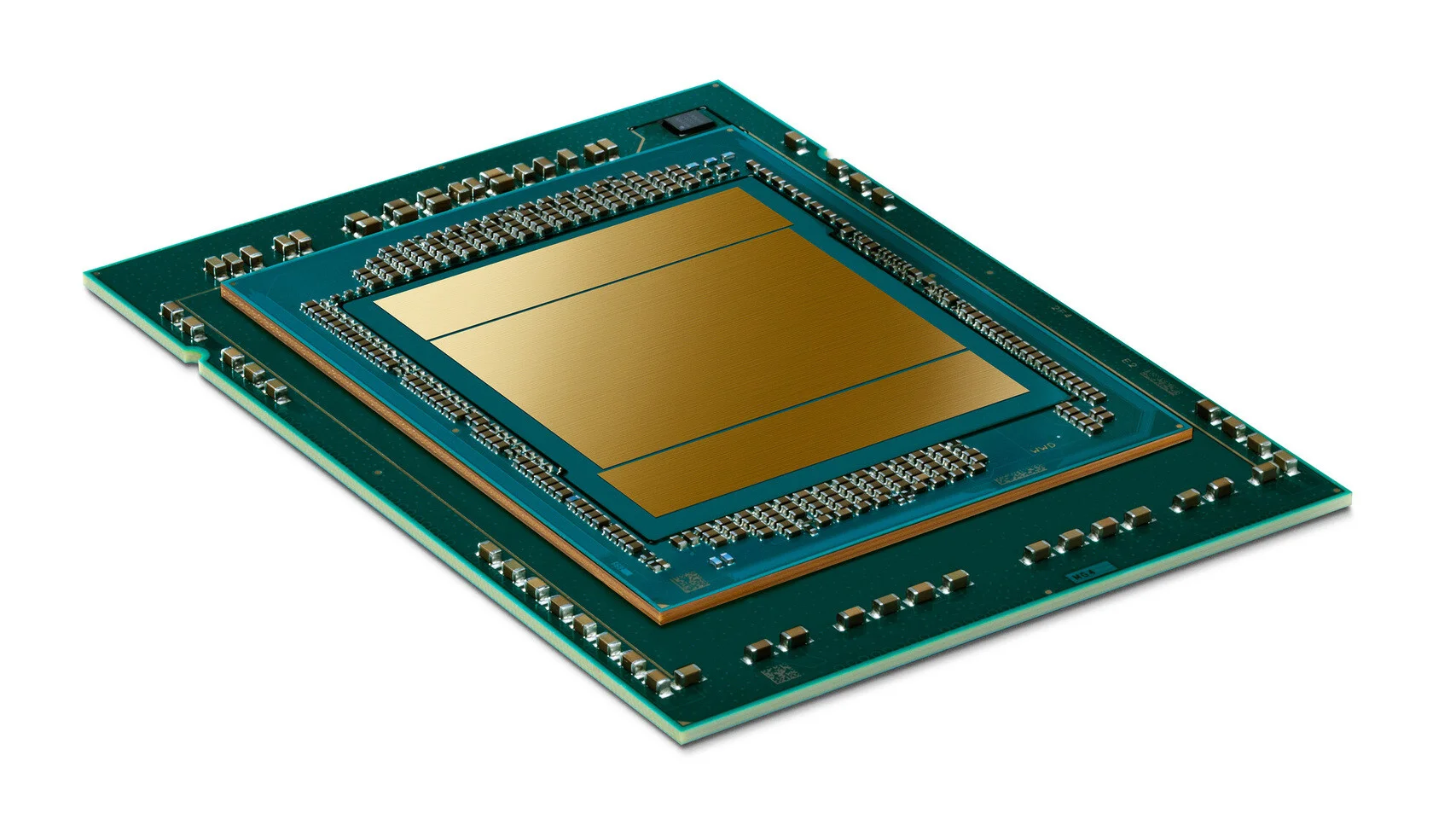
- Intel has achieved a significant manufacturing milestone by reducing yield variability at the wafer edges, allowing for a higher harvest of functional CPU dies per wafer to satisfy aggressive AI market requirements.
Strategic Deep-Dive
Precision Engineering at the Wafer Periphery
In the realm of advanced semiconductor manufacturing, the wafer edge has long been a graveyard of potential revenue. Due to the inherent physics of the fabrication process—including non-uniform gas distribution during chemical vapor deposition and complex thermal gradients during high-energy lithography—the outer millimeters of a silicon wafer typically suffer from significantly lower yield compared to the center. Intel, however, is rewriting this narrative.
Recent analyst reports indicate that Intel has successfully implemented a suite of manufacturing optimizations specifically designed to stabilize these edge conditions. By fine-tuning the plasma distribution and utilizing advanced compensatory lithography techniques, Intel is now able to recover a substantial percentage of functional CPU dies that were previously lost to edge defects. From a data architect’s perspective, this is a masterful display of variance reduction that directly impacts the bottom line.
The Economic Leverage of ‘Yield Uniformity’
The strategic importance of this achievement cannot be overstated in the context of the current AI-driven hardware supercycle. As data centers scramble to secure high-performance silicon, manufacturing throughput has become the primary bottleneck of the tech industry. Intel’s ability to increase its ‘sellable die per wafer’ count allows it to expand its effective market supply without the multi-billion dollar overhead of constructing new fabrication facilities.
This optimization of ‘wafer-level economics’ serves as a formidable competitive moat. When every wafer processed yields 5-10% more functional chips, the cumulative impact on gross margins is transformative. It allows Intel to be more aggressive with its pricing strategy while maintaining healthy profitability, a crucial advantage as it competes against fabless rivals and other foundry giants.
As manufacturing precision becomes a key differentiator in the AI era, Intel’s focus on the ‘final millimeter’ of the wafer is proving to be a stroke of operational genius.