🔍 Executive Summary
- The AI boom is driving unprecedented demand for Low-Power DRAM (LPDDR), with single AI server racks requiring the equivalent of 4,500 smartphones' worth of memory. Major players like Nvidia, Qualcomm, and Tesla are adopting LPDDR in their latest processors, leading to potential global shortages.
Strategic Deep-Dive
The New Frontier of AI Memory: LPDDR in the Rack
While high-bandwidth memory (HBM) has dominated the narrative surrounding AI acceleration, a significant technical shift is occurring in the broader DRAM landscape. Low-power DDR (LPDDR) memory, once the exclusive domain of mobile handsets, is now facing immense supply pressure due to its integration into next-generation AI infrastructure. Major chip architects, including Nvidia, Qualcomm, and Tesla, are pivoting toward LPDDR to solve the industry’s most pressing challenge: the power efficiency wall.
While HBM provides the raw bandwidth necessary for GPU training, LPDDR offers the superior power-to-performance ratio required for high-density inference racks and edge AI applications where thermal management is critical.
Staggering Scales of Consumption
The scale of this demand shift is nothing short of transformative. Industry data indicates that a single high-density AI server rack from Nvidia now consumes an amount of LPDDR equivalent to approximately 4,500 high-end smartphones. This massive consumption highlights a paradigm shift in AI hardware architecture.
The cumulative demand from just a few hyper-scale data center deployments can now outweigh the requirements of entire regional mobile market segments. This results in a ‘Supply Squeeze’ where traditional memory cycles are disrupted as manufacturers reallocate production lines from mobile-grade to server-grade LPDDR to capture higher margins.
Strategic Alliances: Nvidia and the Nanya Connection
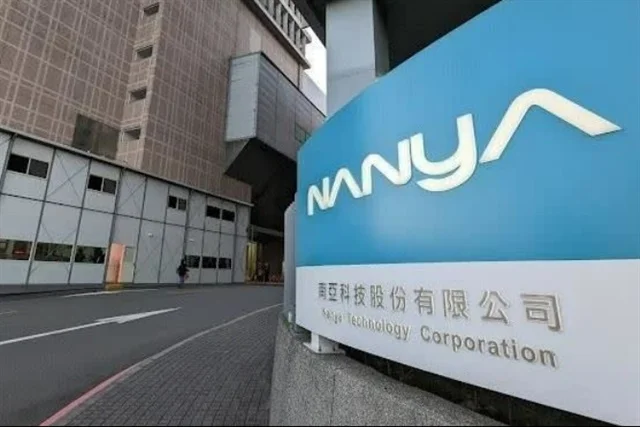
In response to these emerging shortages, semiconductor titans are securing their supply chains through strategic partnerships with specialized memory makers. Nvidia’s engagement with Taiwan’s Nanya is a prime example of this trend. Nanya, which has traditionally specialized in niche and low-power DRAM solutions, now finds itself at the center of the AI infrastructure boom.
As Nvidia incorporates LPDDR into its Rubin and other next-generation Blackwell-successive architectures, the ability of firms like Nanya to scale production will directly dictate the pace of global AI deployment. We are entering an era where LPDDR is no longer a ‘mobile’ component but a strategic commodity essential for the world’s most powerful computing clusters.