🔍 Executive Summary
- Samsung Electronics has issued a critical warning that the global memory shortage is poised to intensify through 2027, driven by an unprecedented surge in early orders from AI infrastructure providers seeking to secure long-term supply amid manufacturing bottlenecks.
Strategic Deep-Dive
The Great Memory Deficit: Decoding Samsung’s Strategic Outlook
In a definitive assessment of the semiconductor landscape, Samsung Electronics has sounded the alarm regarding a structural supply deficit that is expected to peak between 2026 and 2027. The catalyst for this warning is a phenomenon the industry has rarely witnessed: an aggressive, preemptive surge in orders for 2027 deliveries. This shift in procurement behavior suggests that the global tech ecosystem, led by massive AI infrastructure build-outs, is moving away from the traditional cyclical purchasing model toward a strategic stockpiling and long-term reservation paradigm.
Samsung’s announcement underscores a fundamental reality—the era of memory as a commoditized, just-in-time component is over.
The AI Bottleneck: HBM and Beyond
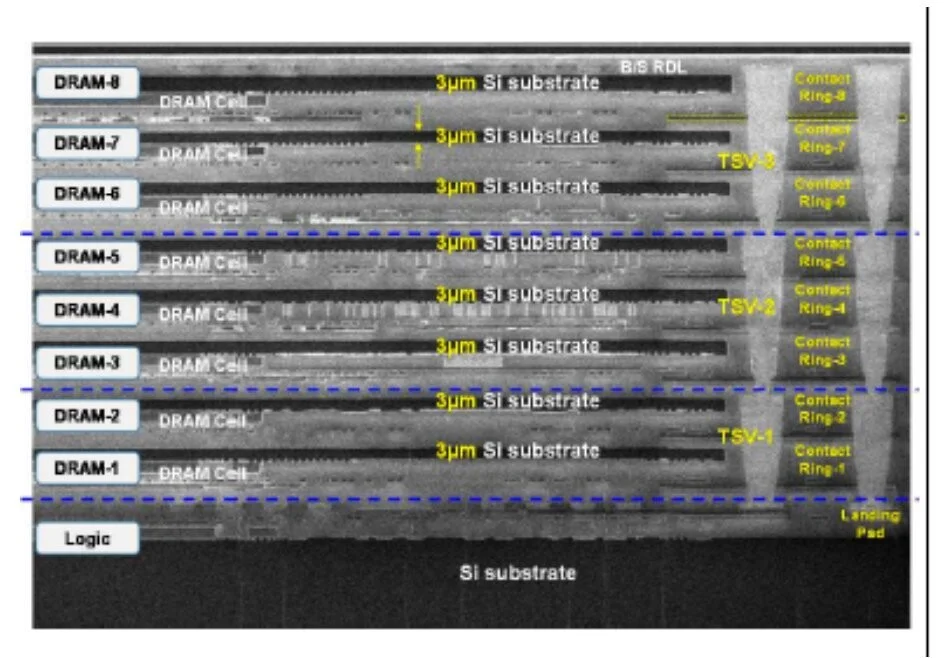
The primary engine of this demand is the insatiable appetite for High Bandwidth Memory (HBM). As the industry’s leading provider, Samsung finds itself at the epicenter of a supply-demand mismatch. The complexity of manufacturing HBM3E and the transition to next-generation HBM4 nodes requires significant wafer allocation and specialized packaging processes.
Because these advanced memory solutions have a lower yield and a more complex production cycle than conventional DRAM, every unit of HBM produced comes at the cost of broader market capacity. Furthermore, the push for large-scale language model training is driving demand for high-density DDR5 DRAM and specialized enterprise-grade storage solutions, creating a situation where production lines are perpetually over-capacity.
Manufacturing Lead Times and Capex Constraints
A critical factor in Samsung’s warning is the physical and temporal limitation of semiconductor manufacturing. Building out cleanroom capacity and integrating advanced Extreme Ultraviolet (EUV) lithography systems are multi-year endeavors that cannot be accelerated by capital alone. Even with massive capital expenditure (CAPEX) programs underway in Pyeongtaek and internationally, the lag between ground-breaking and high-volume manufacturing means that the capacity needed to meet 2027 demand must be planned and executed today.
Any delays in equipment delivery or logistical bottlenecks in the global supply chain will only exacerbate the deficit. Samsung’s mention of 2027 orders indicates that the supply for the next 24 to 36 months is essentially already committed, leaving little room for market fluctuations.
Implications for the Global AI Rollout
This deepening shortage has profound implications for the global technology sector. For cloud service providers and AI hardware designers, the chronic lack of memory means higher input costs and a potential slowing of the pace of AI iteration. We are entering a period where ‘memory-constrained computing’ will be the standard operational environment.
For Samsung, this scenario provides significant pricing power but also places a heavy burden of responsibility on their execution capabilities. The company is now navigating a strategic shift where it must prioritize long-term contractual obligations over the spot market, effectively choosing the winners and losers of the AI revolution through its allocation decisions.
Conclusion: Memory as a Strategic Resource
In conclusion, Samsung’s warning serves as a call to action for the broader industry to reconsider its supply chain resilience. In an era where data is the new oil, memory is the essential energy source required to refine it. The deepening deficit through 2027 is not merely a market fluctuation but a symptom of a broader technological shift.
The ability of major manufacturers like Samsung to scale their operations will be the single most important factor determining the trajectory of the global AI economy over the next three years.