🔍 Executive Summary
- The failed attempt to repeal Colorado's right-to-repair law marks a pivotal victory for consumer advocacy, setting a strong precedent against manufacturer-led hardware monopolies.
Strategic Deep-Dive
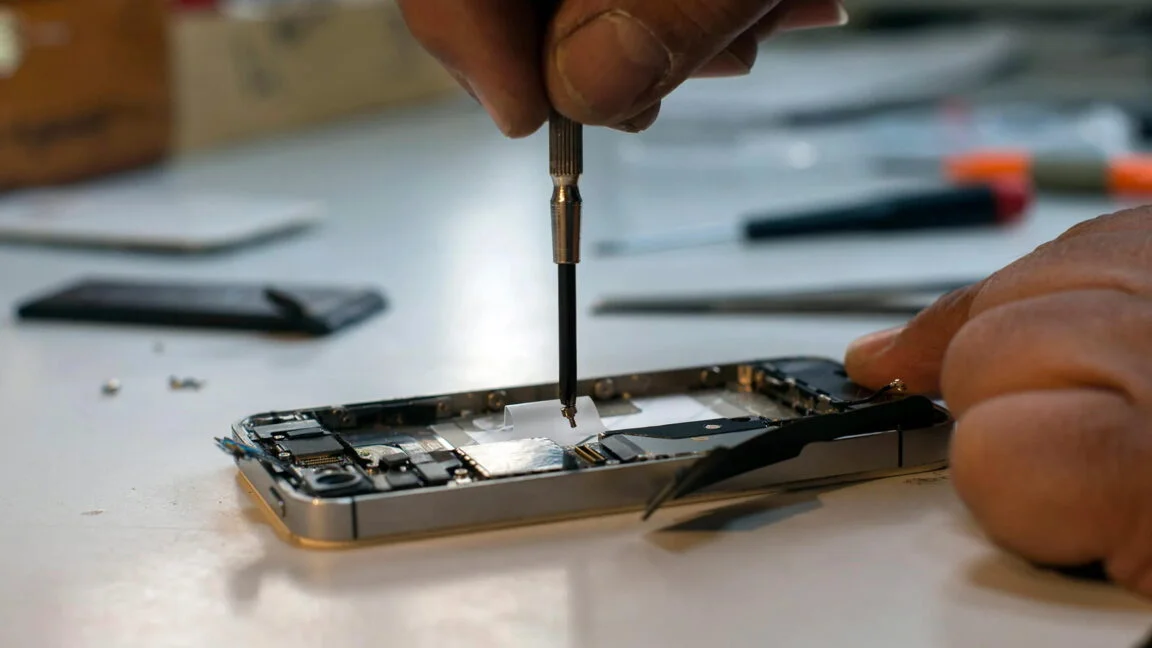
The legislative resilience of Colorado’s right-to-repair statutes represents a major defeat for hardware manufacturers attempting to maintain closed-loop service ecosystems. As detailed by Ars Technica, a concerted lobbying effort to repeal existing consumer protections has failed, reinforcing a growing movement toward hardware transparency and consumer autonomy. This preservation of the law ensures that consumers and independent repair shops retain access to the essential diagnostic software, specialized tools, and authentic components required to maintain consumer electronics.
The defeat of this repeal effort highlights a shifting regulatory landscape where the centralization of repair services is increasingly viewed as an anti-competitive practice that harms both the consumer and the environment.
For years, manufacturers have employed sophisticated methods to prevent third-party repairs, most notably ‘parts-pairing.’ This technical barrier involves cryptographically linking specific components—such as displays or batteries—to a device’s logic board via software locks. If a repair is performed by an unauthorized technician using a non-validated part, the device may disable critical features or display persistent warning messages. Manufacturers argued that repealing the right-to-repair law was necessary to maintain device integrity and prevent cybersecurity breaches.
However, Colorado legislators remained skeptical of these claims, interpreting them as a pretext for maintaining service monopolies that inflate total cost of ownership and accelerate the global e-waste crisis. By upholding the statute, the state has affirmed that ownership of a physical device must include the right to maintain it without being coerced into an expensive, manufacturer-controlled service network.
This outcome is set to trigger a domino effect across the United States. As more states adopt Colorado’s framework as a model for consumer protection, manufacturers will be forced to move away from proprietary screws and software-locked components toward standardized, modular designs. This shift aligns with broader Environmental, Social, and Governance (ESG) mandates and the European Union’s ‘Circular Economy’ directives, which prioritize hardware longevity over planned obsolescence.
Corporate revenue models, which have historically relied on the high margins associated with authorized repairs, will likely need to undergo a structural transformation toward service subscriptions or value-added software features. Ultimately, the failure of the repeal effort signal a new era of ‘open hardware’ where repairability is no longer a fringe request but a core legal requirement in the digital age.