🔍 Executive Summary
- Apple has reportedly halted the development of its next-generation Vision Pro headset due to disappointing sales figures and a failure to capture meaningful market share. With only 600,000 units sold since its launch at a $3,499 price point, the device's inability to achieve mainstream traction has led to a strategic retreat in Apple's spatial computing roadmap.
Strategic Deep-Dive
Apple’s ambitious foray into the realm of ‘spatial computing’ has encountered a massive strategic roadblock, with the company reportedly abandoning the development of the next-generation Vision Pro headset. This withdrawal follows a string of disappointing sales metrics and a general failure to ignite the kind of consumer enthusiasm typical of a new Apple product category. According to sources close to MacRumors, the Vision Pro has only moved approximately 600,000 units since its high-profile launch in February 2024.
For context, this is a mere fraction of the initial sales volumes seen by the iPhone or even the first-generation Apple Watch, suggesting that the $3,499 price tag created a barrier to entry that even Apple’s loyal fan base was unwilling to cross.
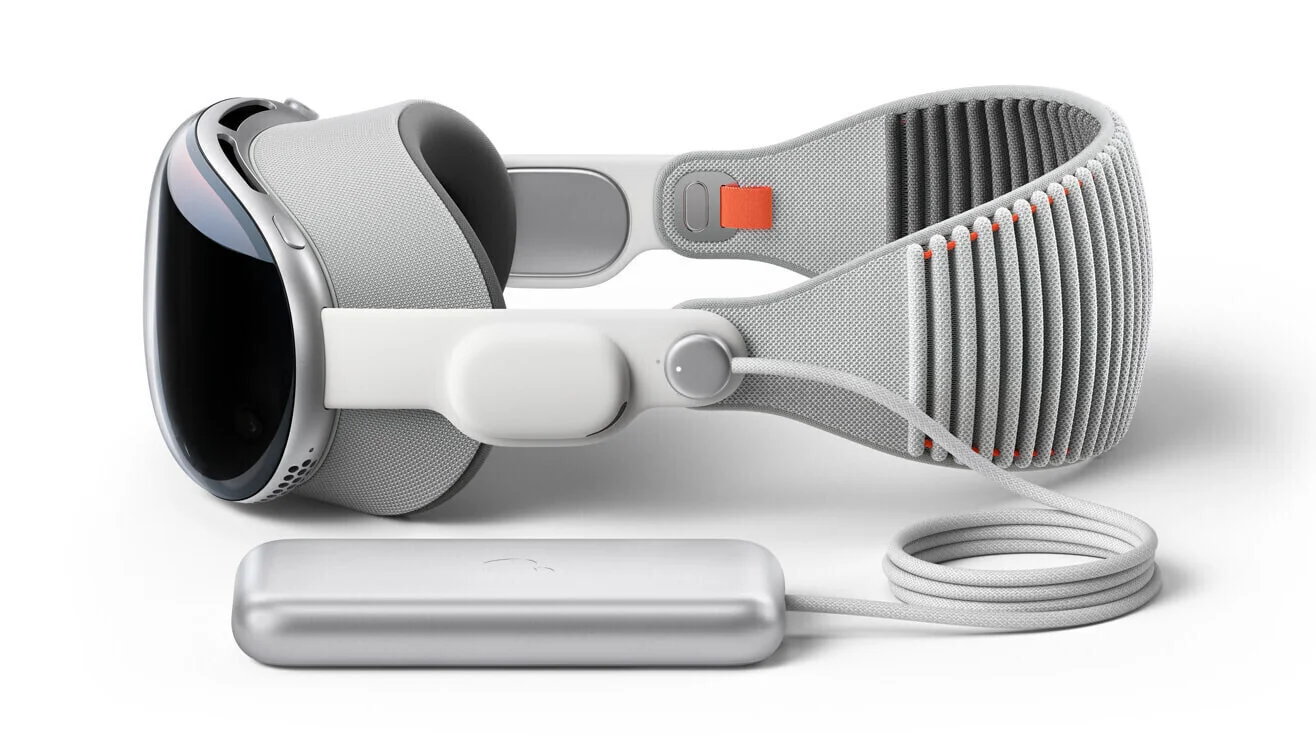
The stagnation of the Vision Pro line highlights a critical ‘price-to-value gap’ in the high-end AR/VR market. While the device was a technical masterpiece featuring dual 4K micro-OLED displays and the advanced R1 chip, it suffered from ergonomic issues such as excessive front-heavy weight and a cumbersome external battery pack. More importantly, the software ecosystem failed to produce a ‘killer app’ that justified the nearly $3,500 investment for the average consumer.
A ‘disappointing refresh’ in late 2024 failed to address these fundamental hardware complaints or provide a lower-cost entry point, leading Apple executives to reportedly shelf the project’s future in favor of a pivot. This decision represents a rare admission of market miscalculation for the Cupertino giant, signaling that the vision of spatial computing may have been too technologically premature for today’s economic reality.
The industry-wide implications of Apple shelving the Vision Pro are profound. As the standard-bearer for consumer electronics, Apple’s retreat from the premium headset space may cause other tech conglomerates and venture capitalists to scale back their own AR/VR ambitions. Key suppliers, such as Sony (responsible for the high-end display panels), may now face significant order reductions, potentially slowing the advancement of the entire micro-OLED supply chain.
Moving forward, Apple is expected to reallocate its R&D resources toward more accessible wearable technologies. This could manifest as a significantly more affordable, non-Pro version of the headset or a shift toward true augmented reality (AR) glasses that integrate more seamlessly into daily life without the social isolation or physical strain of the Vision Pro. Ultimately, the shelving of the Vision Pro future serves as a cautionary tale: technical sophistication alone cannot overcome a lack of practical utility and a prohibitively high price in the eyes of the mainstream consumer.