🔍 Executive Summary
- Chinese AI chip specialist Cambricon reported a robust Q1 2026 revenue of $423 million, underscoring the rapid acceleration of China's domestic semiconductor market. As local firms successfully capture market share from Nvidia amidst ongoing trade tensions, Cambricon's growth signals a strategic pivot toward homegrown technological self-sufficiency in the AI hardware sector.
Strategic Deep-Dive
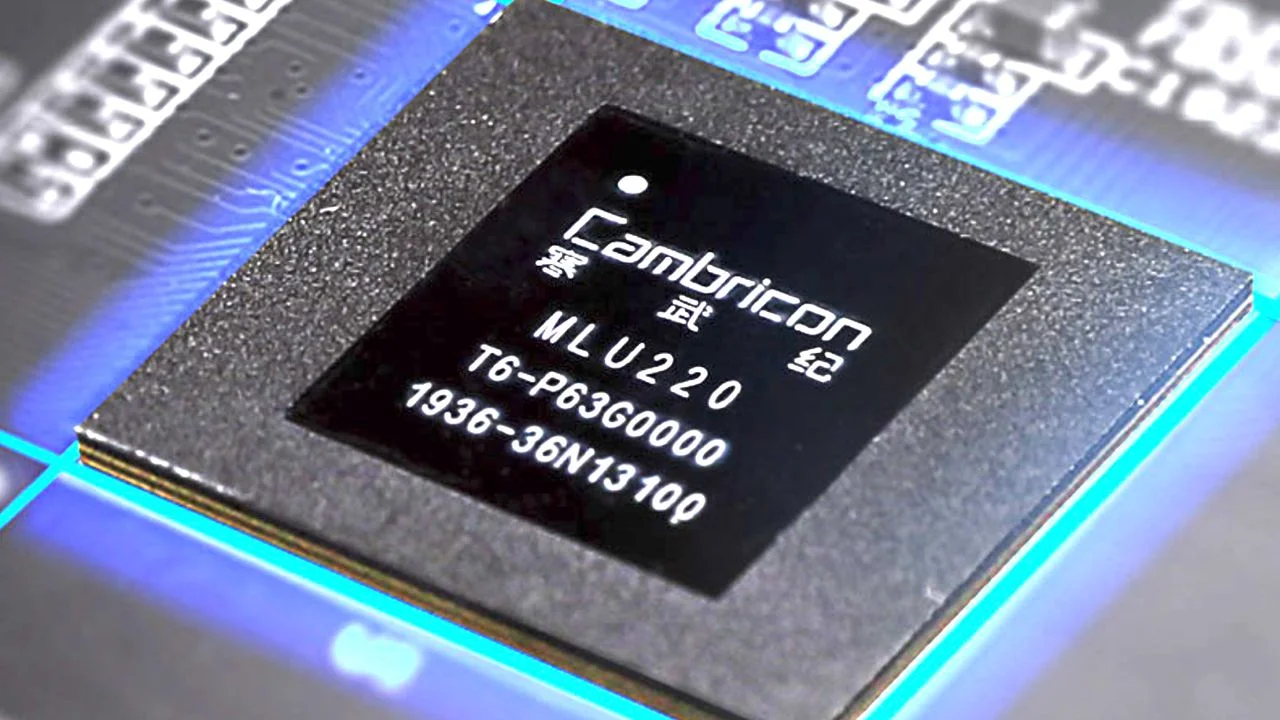
Cambricon, a flagship player in China’s semiconductor industry, has reported a significant milestone with its Q1 2026 revenue hitting $423 million. This performance is a testament to the rapid maturation of the Chinese domestic AI chip market, which is increasingly looking inward to fulfill its hardware requirements. For years, Nvidia dominated the Chinese market for AI training and inference; however, current data suggests a significant shift is underway as local manufacturers begin to ’leech’ or absorb substantial market share from the American titan.
This shift is driven by a combination of geopolitical factors and a concerted national effort within China to achieve technological self-sufficiency. As access to high-end international chips like the Nvidia H-series remains subject to stringent US trade restrictions, Chinese enterprises are doubling down on homegrown solutions. Cambricon’s revenue jump highlights the successful deployment of its AI accelerators across various sectors, including cloud computing and massive edge AI networks.
The acceleration of the ‘homegrown’ market is not merely about availability; it reflects genuine improvements in the performance and software compatibility of Chinese-designed chips, making them viable alternatives for many enterprise-level workloads.
Industry watchers note that this trend poses a formidable long-term challenge to Nvidia’s historical dominance in the region. As more Chinese enterprises integrate Cambricon’s hardware into their long-term AI pipelines, the software ecosystem surrounding these domestic chips grows stronger, creating a network effect that makes it harder for foreign competitors to regain their footing even if sanctions were eased. The $423 million revenue figure for a single quarter serves as a clear signal that the era of foreign hardware dependency in China is being actively dismantled by a robust, well-funded domestic alternative that is now ready for large-scale commercial application.