🔍 Executive Summary
- The divide between action cameras and DSLRs is vanishing as AI overcomes physical optical limits.
- Computational photography is replacing the need for large glass elements in professional imaging.
- Taiwanese optics firms are pivoting to become integrated providers of AI-centric imaging solutions.
Strategic Deep-Dive
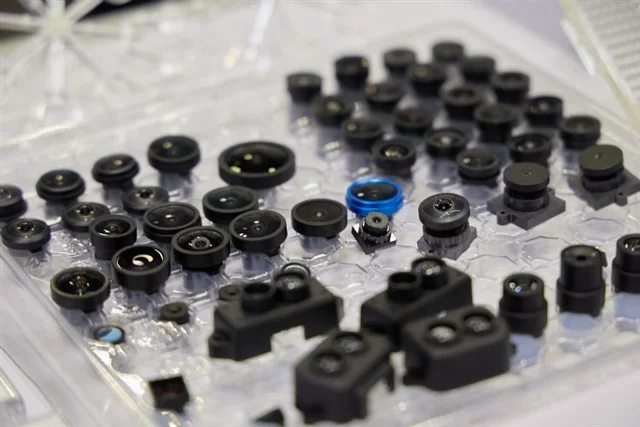
In 2026, the traditional demarcation between rugged, portable action cameras and high-fidelity professional DSLR systems is being rendered obsolete by the ‘AI Imaging Boom.’ For decades, the industry was tethered to the constraints of optical physics; high-quality imaging required large glass elements to capture sufficient light and resolve detail. However, we are now entering an era where computational photography and AI-driven reconstruction are circumventing these physical limitations. AI algorithms are no longer just post-processing tools—they are now integrated into the sensor-level architecture to compensate for the inherent noise and diffraction of miniaturized lenses.
This shift is forcing a massive repositioning within the Taiwan optics industry. Rather than competing solely on the precision of glass grinding or refractive indices, Taiwanese firms are evolving into architects of integrated AI-centric imaging systems. The technical granularity of this shift involves the move toward ‘Computational Optics,’ where the lens design is intentionally paired with specific neural processing units (NPUs) to correct aberrations in real-time.
By bridging the gap between rugged durability and professional-grade resolution through software-hardware synergy, Taiwan is securing a new role in the ecosystem. As AI becomes the primary lens through which we capture reality, the hardware’s value is increasingly measured by its ability to provide high-entropy data for AI engines to interpret and enhance.