🔍 Executive Summary
- Nissan officially halts planned investments in U.S. EV production lines, maintaining focus on internal combustion and hybrid models. 2. A pragmatic response to the 'EV Chasm,' insufficient charging infrastructure, and high battery manufacturing costs in North America. 3. Strategic focus on maximizing short-term profitability by optimizing production flexibility at Mississippi and Tennessee plants.
Strategic Deep-Dive
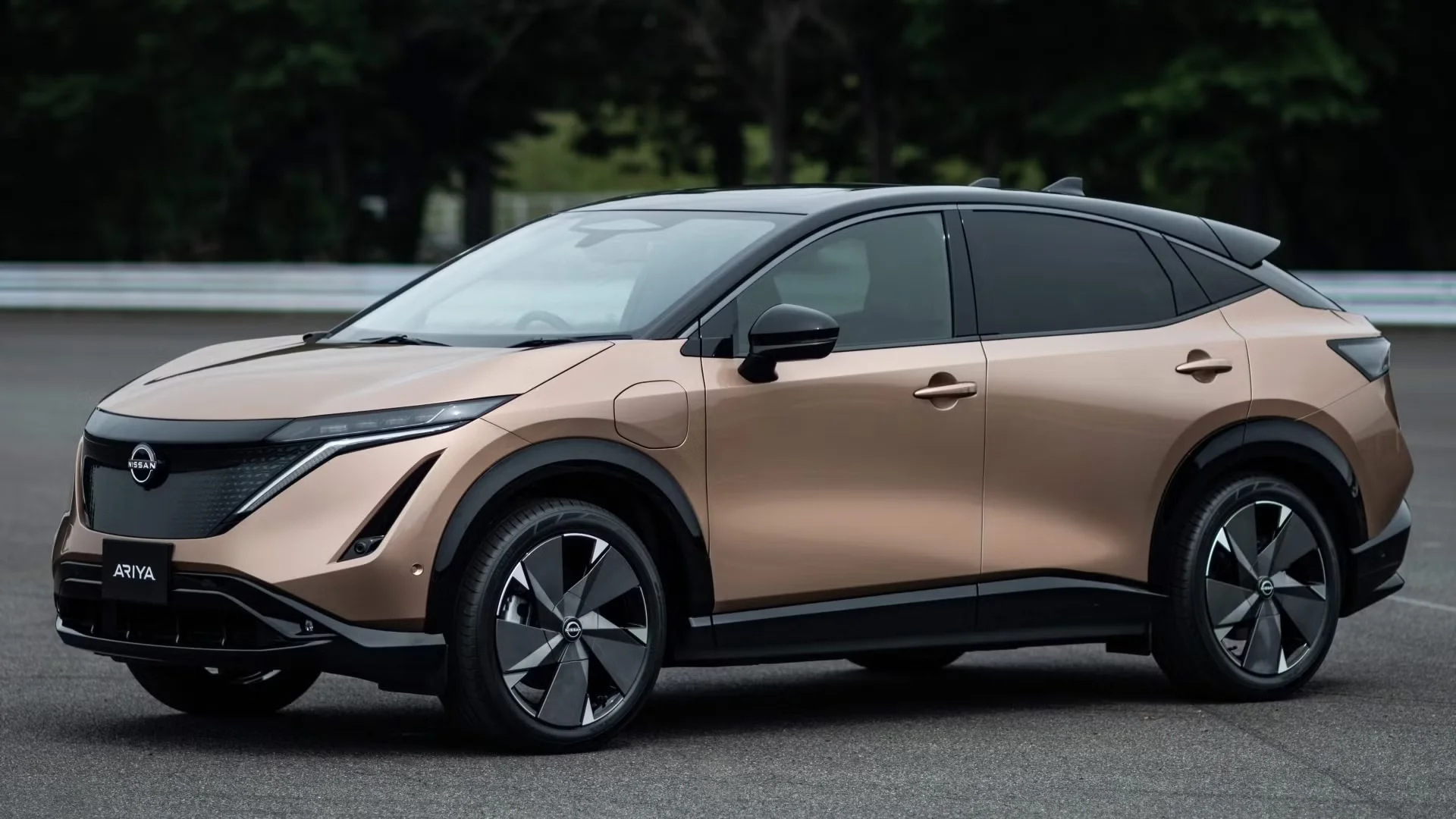
Nissan has executed a decisive strategic retreat, formally abandoning its multi-billion dollar plans to expand electric vehicle (EV) manufacturing capabilities in the United States. This pivot marks a significant cooling of the electrification fever that has gripped the automotive industry, as Nissan aligns its production targets with the sobering reality of the North American market. According to internal reports, the company has halted the conversion of its Canton, Mississippi assembly plant and its Decherd, Tennessee powertrain facility into dedicated EV hubs.
Instead, Nissan is doubling down on internal combustion engines (ICE) and hybrid-electric vehicles (HEV), operating under the pragmatic mantra that ‘hybrids and gas are the future, for now.’
As a Global Tech Data Architect would observe, the decision is influenced by critical infrastructure bottlenecks and supply chain volatility. The ‘EV Chasm’ is no longer a theoretical risk but a present reality, characterized by a mismatch between ambitious federal mandates and actual consumer uptake. Nissan’s data-driven assessment highlighted that the Return on Investment (ROI) for pure EV lines was increasingly compromised by high lithium-ion battery costs and the lack of a robust nationwide fast-charging network, which remains a primary friction point for American buyers.
Furthermore, the strain on local power grids and the complexity of sourcing localized battery components that meet ‘Inflation Reduction Act’ (IRA) requirements have made the transition less economically viable in the short term.
Nissan is now pivoting its capital expenditure toward the ’e-Power’ hybrid system, which offers a bridge for consumers not yet ready to commit to a full-battery ecosystem. By maintaining production flexibility in its Southern U.S. plants, Nissan can adjust its output ratios between gasoline and hybrid models in real-time response to market signals.
This move is a textbook example of ‘hedged manufacturing’—a strategy that prioritizes liquid assets and immediate profitability over the capital-intensive, high-risk race for EV market share. While some critics view this as a setback for sustainability goals, from a technical and business resilience perspective, it is a calculated move to preserve Nissan’s North American footprint. The company is betting that by de-prioritizing the ‘EV-only’ mandate, it can wait for the charging infrastructure and battery technology to mature before making its next major leap into the electric era.