🔍 Executive Summary
- The Pentagon's FY2027 budget allocates $17.9 billion for the 'Golden Dome' initiative, centering on a 300kW+ containerized Joint Laser Weapon System designed to intercept cruise missiles.
Strategic Deep-Dive
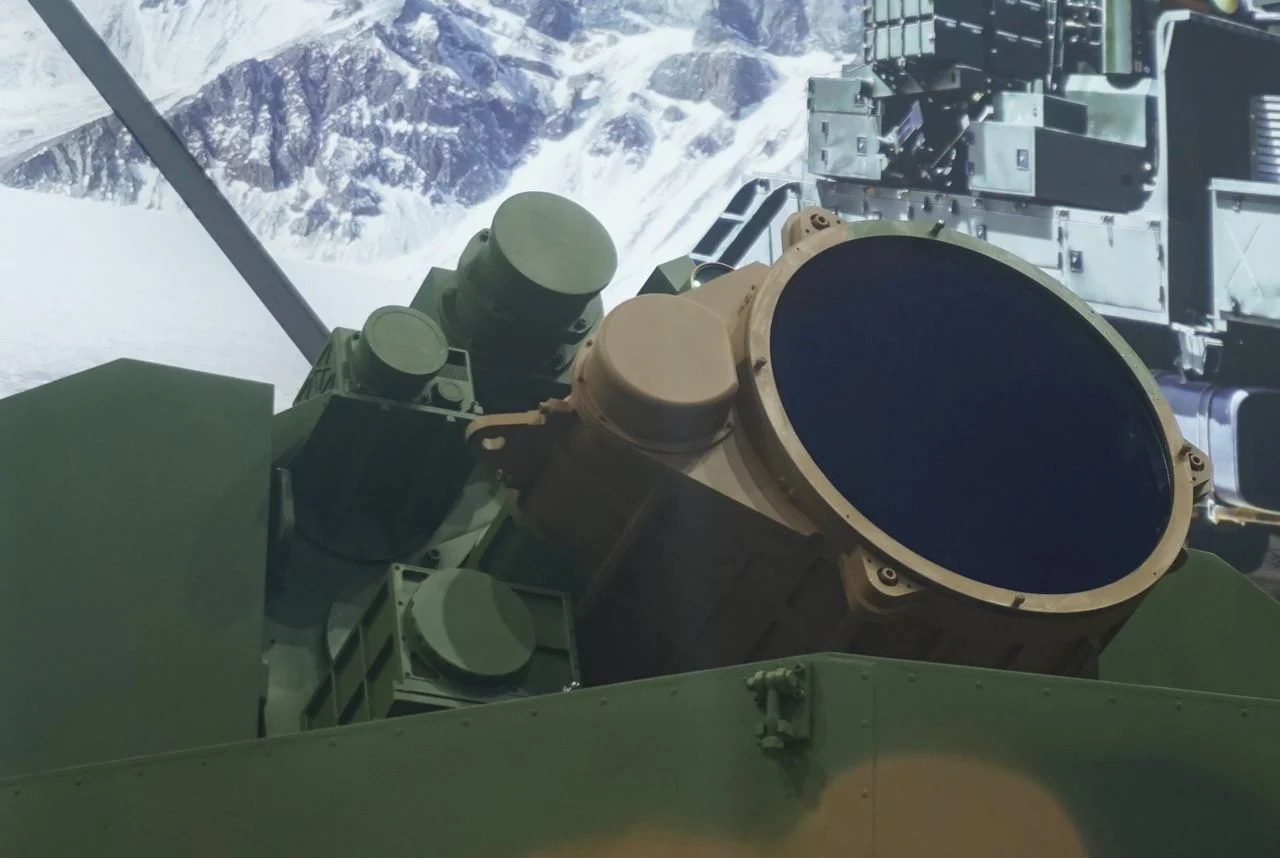
In a major strategic shift toward directed-energy defense, newly released budget documents for the United States Department of Defense’s Fiscal Year 2027 have detailed the launch of the “Golden Dome” initiative. This ambitious program, backed by a staggering $17.9 billion funding request, aims to establish a near-impenetrable shield against cruise missiles and other advanced aerial threats. At the heart of this massive expenditure is the Joint Laser Weapon System (JLWS), a technical marvel that represents the culmination of decades of research into high-energy lasers.
Unlike previous test-bed systems, the JLWS is being developed as a field-ready hardware solution capable of providing reliable, low-cost-per-shot defense in active theaters of operation.
The technical specifications for the JLWS are formidable. The system is designed to output a minimum of 300kW of laser power. This power threshold is significant because it marks the transition from drone-defense capabilities to cruise-missile interception.
A 300kW laser carries enough thermal energy to instantly compromise the structural integrity of a fast-moving missile’s fuselage or to blind its guidance sensors at long range. To ensure that this power can be utilized wherever it is needed, the Pentagon has mandated a “containerized” design. By housing the entire laser system, including its power management and cooling units, within standard shipping containers, the military can rapidly deploy these units via conventional logistics platforms.
This means a truck or a transport ship can become a mobile high-energy defense station in a matter of hours, providing a flexible “Golden Dome” over critical assets.
The $17.9 billion investment in the Golden Dome initiative reflects a broader economic reality of modern warfare. Traditional missile defense systems, such as the Patriot or THAAD, rely on kinetic interceptors that cost millions of dollars per unit. In a high-intensity conflict where an adversary might launch hundreds of cheap cruise missiles or swarms of drones, the cost of defense can quickly become unsustainable.
The JLWS changes this calculus; once the hardware is deployed, the marginal cost of a “shot” is essentially the price of the fuel required to generate electricity. This “bottomless magazine” capability allows the US military to counter saturation attacks that would otherwise overwhelm conventional defenses.
Furthermore, the FY2027 budget emphasizes that this is not just a research and development grant. The funding is specifically allocated for the procurement and deployment of hardware, signaling that the Pentagon believes the technology is mature enough for front-line duty. As the Golden Dome initiative moves forward, it will drive massive demand in the private sector for high-durability optics, advanced semiconductors for power conversion, and ruggedized thermal management systems.
For the global defense industry, the $17.9 billion commitment marks the dawn of the directed-energy era, where light speed becomes the primary means of national defense, and the containerized 300kW laser becomes the standard-bearer for 21st-century military hardware.