🔍 Executive Summary
- Hardware bottlenecks, particularly in actuators, emerge as the primary barrier to humanoid robotics.
- Significant gap identified between rapid AI/ML progress and stagnant mechanical dexterity.
- Urgent need for hardware-first innovation to align physical torque and precision with digital intelligence.
Strategic Deep-Dive
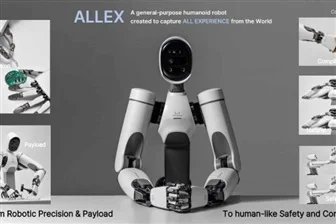
As the race for humanoid robotics dominance intensifies, a stark disparity is emerging between digital intelligence and physical execution. While AI and machine learning models have achieved a ‘Sora-level’ of sophistication in simulation and reasoning, the mechanical hardware remains stuck in a previous generation. The primary bottleneck lies in actuator technology—the specialized motors and gear systems that power robotic limbs.
Currently, robotic hands struggle with human-level dexterity due to the limitations of torque density and latency in physical feedback loops. While electric actuators offer precision, they often lack the raw power-to-weight ratio found in biological muscles, whereas hydraulic systems provide power but are often too bulky for sleek humanoid designs. This mechanical lag creates a significant barrier; even the most advanced ML inference is useless if the actuator cannot translate that command into precise, high-torque movement without significant backlash or mechanical vibration.
Bridging this gap requires a ‘hardware-first’ engineering focus, shifting attention toward new materials and innovative actuator designs that can match the rapid processing speeds of modern AI.
Strategic Insights
The disconnect between digital intelligence and physical execution highlights a need for mechanical engineering breakthroughs to realize the full potential of humanoid AI.