🔍 Executive Summary
- Smart Eye is evolving its AI technology from driver-focused monitoring to comprehensive 'Full Cabin Perception' systems.
- Impending EU mandates and Euro NCAP standards are forcing automakers to upgrade their sensor suites and AI software stacks.
- The shift introduces complex technical hurdles in multi-passenger detection and significant challenges in data privacy compliance.
Strategic Deep-Dive
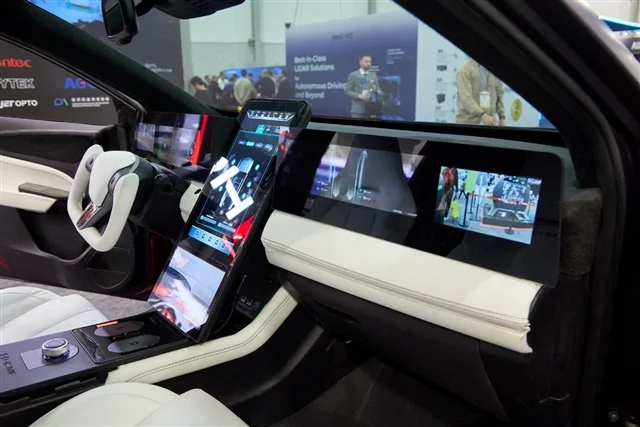
Smart Eye’s strategic expansion into full-cabin perception signals a transformative phase in automotive AI. The industry is moving rapidly beyond the isolation of Driver Monitoring Systems (DMS) toward a holistic sensing environment that encompasses every occupant in the vehicle. This trend is no longer optional; it is being mandated by the latest EU safety regulations and the evolving Euro NCAP rating system, which prioritize the detection of occupant presence and position to mitigate injury during collisions.
Automakers are now forced to re-evaluate their sensor suites, shifting toward more sophisticated camera and radar setups integrated with advanced AI software. This transition is a cornerstone of the broader Software-Defined Vehicle (SDV) movement, where in-cabin safety is increasingly managed through complex algorithms rather than simple mechanical sensors. However, full-cabin perception brings massive technical and ethical challenges.
Maintaining high-fidelity tracking of multiple passengers simultaneously requires significant on-board compute power and sophisticated computer vision models. Furthermore, as cars become data-gathering hubs, Smart Eye and global OEMs must navigate a legal minefield regarding passenger privacy and data protection, ensuring that safety-critical AI does not infringe upon the personal rights of vehicle owners.