🔍 Executive Summary
- The predictive power that fueled TikTok’s global dominance is being redirected toward one of the most daunting frontiers in science: molecular biology. ByteDance’s specialized drug discovery unit, Anew Labs, recently stunned the medical community at a major American Association conference by unveiling its first AI-designed therapy. The technical bridge between a viral video recommendation engine and pharmacological discovery is closer than one might imagine. Anew Labs utilizes a refined version of the same Transformer-based architectures that predict user engagement, but instead of mapping dig...
Strategic Deep-Dive
The predictive power that fueled TikTok’s global dominance is being redirected toward one of the most daunting frontiers in science: molecular biology. ByteDance’s specialized drug discovery unit, Anew Labs, recently stunned the medical community at a major American Association conference by unveiling its first AI-designed therapy. The technical bridge between a viral video recommendation engine and pharmacological discovery is closer than one might imagine.
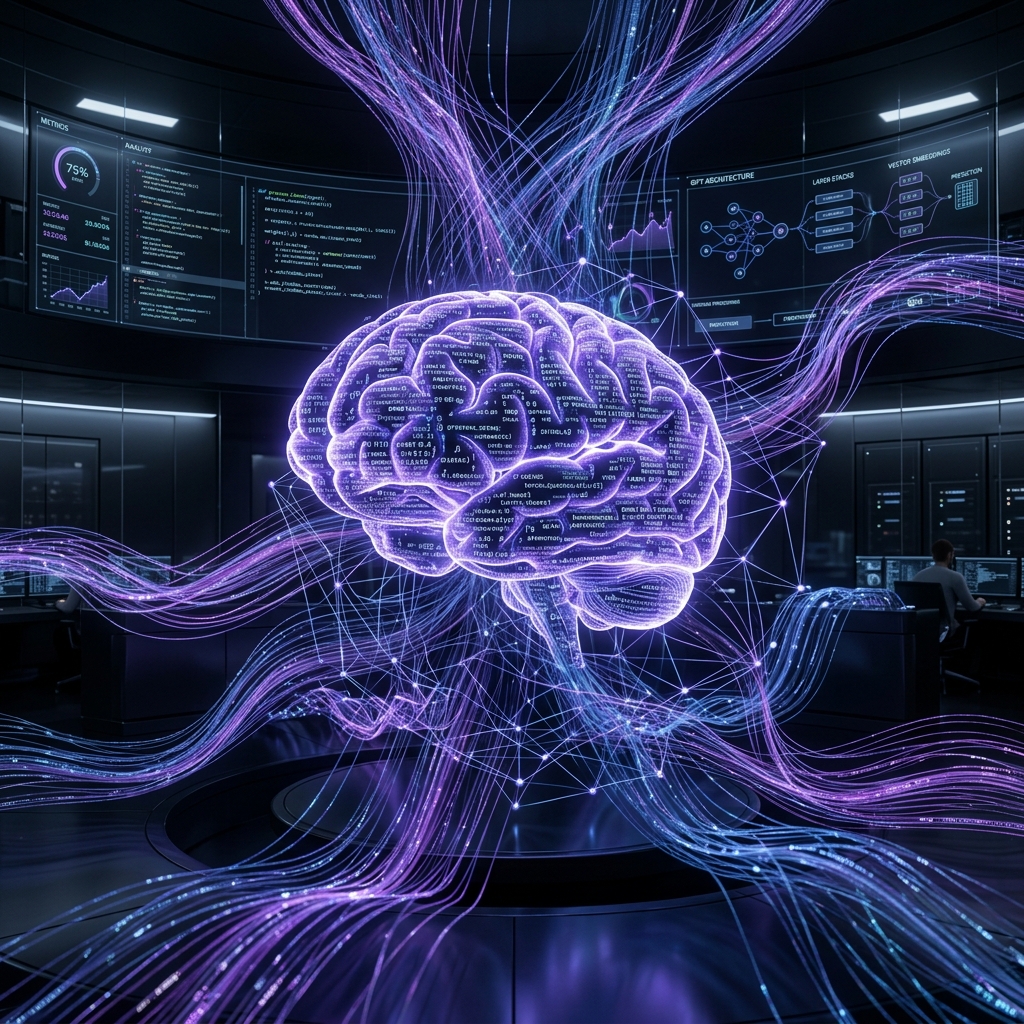
Anew Labs utilizes a refined version of the same Transformer-based architectures that predict user engagement, but instead of mapping digital interest, these models are trained to predict the complex physical and chemical behavior of molecules within the human body. This breakthrough targets ‘undruggable’ proteins—biological structures that have long been considered inaccessible by traditional drug discovery methods due to their lack of stable binding sites.
From an architectural perspective, the methodology of Anew Labs represents a masterclass in cross-domain application. They employ ‘Geometric Deep Learning’ to process the 3D spatial data of protein structures, effectively treating molecular interactions as a high-dimensional recommendation problem. By mapping molecular sequences into a ’latent space,’ the model can simulate how potential drug compounds will bind to target proteins with unsettling accuracy.
This approach bypasses the traditional, labor-intensive ‘wet-lab’ R&D cycle, which typically involves years of trial and error. Instead, ByteDance’s systems can iterate through millions of hypothetical molecular combinations in a virtual environment, identifying viable drug candidates in a fraction of the time. This ‘Platform to Pharma’ transition demonstrates that the core logic of large-scale recommendation systems—identifying patterns within massive, noisy datasets—is perfectly suited for the intricacies of human biology.
The strategic implications for the pharmaceutical industry are profound. If a social media giant like ByteDance can outperform established biotech firms in identifying drug candidates, it suggests a future where computational prowess is the primary driver of medical progress. Critics have raised concerns about the ‘black-box’ nature of these algorithms, questioning whether AI-designed drugs can be fully understood before they reach clinical trials.
However, the sheer predictive accuracy demonstrated by Anew Labs makes it difficult to ignore the competitive advantage. This trend signifies a shift toward a data-first approach in medicine, where the speed of innovation is dictated by the availability of high-quality biological data and the efficiency of the neural networks processing it. As Big Tech disrupts traditional pharmaceutical timelines, we are entering an era where the same algorithms that once curated entertainment may now cure the world’s most persistent diseases.