🔍 Executive Summary
- SoftBank is pivoting to a hardware-centric AI strategy with a new U.S. robotics venture aimed at building data centers, targeting a $100 billion valuation and a rapid-fire IPO within its first year of operation.
Strategic Deep-Dive
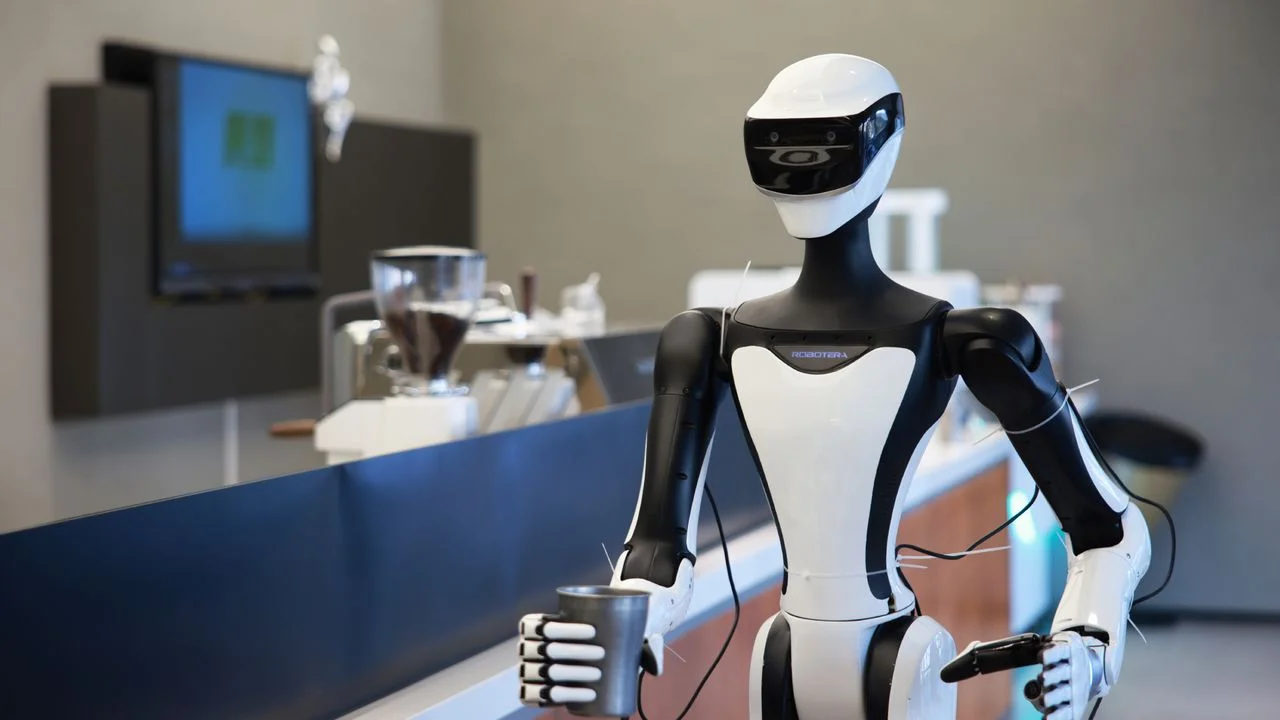
SoftBank, under the bold leadership of Masayoshi Son, is embarking on one of its most ambitious and controversial ventures yet: a direct entry into the U.S. AI and robotics infrastructure market. The firm has announced plans to launch a specialized startup dedicated to the automated construction and management of data centers, an area that has become the primary physical bottleneck in the global AI race.
By integrating advanced robotics with AI-driven facility design, SoftBank intends to solve the logistics of building the massive computing clusters required for future LLMs. This strategic pivot signals SoftBank’s intent to move beyond its role as a venture capitalist and become a direct operator in the capital-intensive AI hardware arena.
The financial ambitions associated with this new entity are breathtaking in their scale and speed. SoftBank is targeting a valuation of $100 billion for the startup immediately, aiming to take the firm public via an initial public offering (IPO) within the same calendar year—2026. This ‘speed-to-market’ approach reflects a belief that the current market window for AI assets is narrow and that capturing capital now is vital for long-term dominance.
However, the aggressive timeline invites skepticism. Data centers are ‘heavy’ assets; they require land rights, massive power allocations from local grids, and complex cooling infrastructures that typically take years to develop. Proposing a $100 billion IPO for a firm that has yet to break ground on a single physical site in its first year is a high-risk gamble even by SoftBank’s standards.
The implications of this entry into the U.S. market are profound for the broader AI ecosystem. As Big Tech’s Capex soars toward $725 billion, the demand for third-party data center operators who can build at scale and speed has never been higher.
If SoftBank can successfully demonstrate that its robotics technology can shave months or years off the construction cycle, the $100 billion valuation may prove conservative. Conversely, if the venture gets bogged down in the regulatory and physical realities of U.S. infrastructure development, it could become a significant drag on SoftBank’s balance sheet.
This move positions SoftBank at the epicenter of the U.S. robotics and AI infrastructure market, challenging established industrial players and offering a new, software-augmented model for physical asset development. The success of this venture will be a litmus test for the market’s appetite for infrastructure-heavy AI bets in a high-interest-rate environment where physical delivery often trumps virtual hype.