🔍 Executive Summary
- South Korea's semiconductor export engine has surged into an unprecedented growth phase, driven by the global AI infrastructure build-out, while simultaneously navigating a high-risk landscape of geopolitical trade tensions and systemic supply bottlenecks.
Strategic Deep-Dive
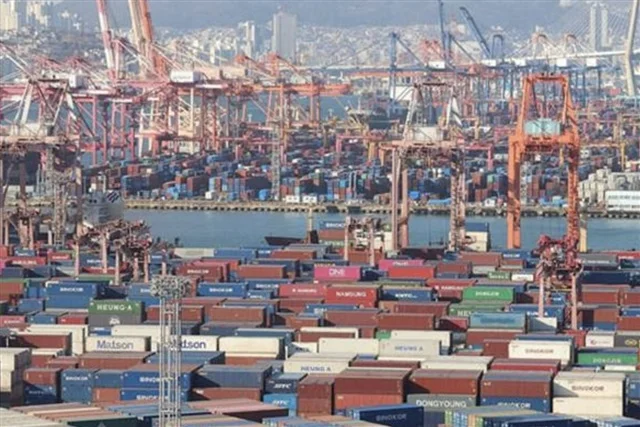
The global technology landscape is currently witnessing a historic shift as South Korea’s semiconductor export performance reaches unprecedented heights. According to recent data from DigiTimes, the nation’s export engine has transitioned into a ’new phase’ defined by the insatiable global appetite for artificial intelligence (AI) infrastructure. This surge is not merely a quantitative increase in shipments but a fundamental repositioning of South Korea as the primary hardware backbone for the global AI revolution.
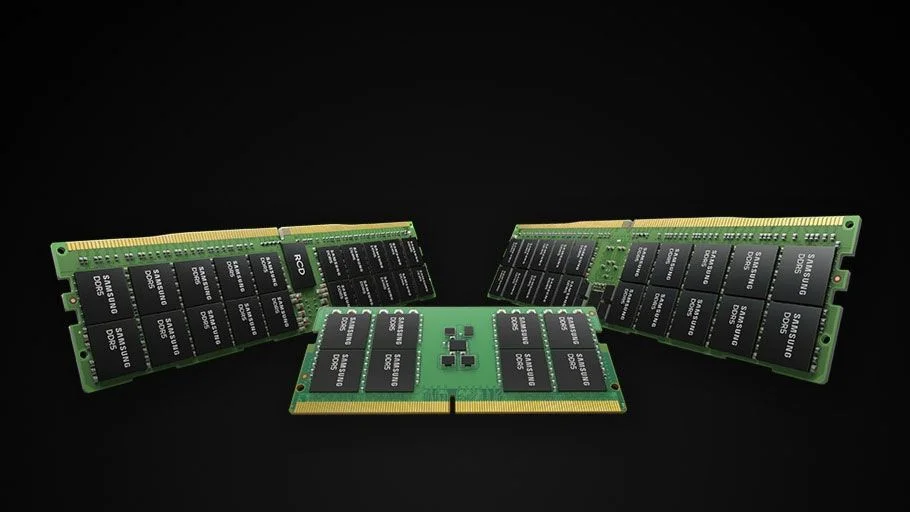
As hyperscalers race to secure the memory capacity necessary for large language model (LLM) training, the demand for High Bandwidth Memory (HBM) and DDR5 modules has decoupled from traditional PC and smartphone cycles, creating a robust, high-margin revenue stream that is lifting the entire South Korean macroeconomic outlook.
However, this record-breaking performance is unfolding against a backdrop of increasing complexity. The source context highlights that while AI demand is powering these shipments, the industry is simultaneously grappling with intensified geopolitical risks. As nations race to secure semiconductor sovereignty, South Korean exporters find themselves navigating a precarious international environment where trade policies and regional stability directly impact logistics and market access.
A critical tension exists between the logic chip and memory chip sectors; while South Korea dominates the latter, the scarcity and geopolitical sensitivity of the former—primarily controlled by fabs in Taiwan and the US—often dictate the pace of final product integration. This interdependency means that any disruption in logic chip supply or a tightening of export controls on AI-grade silicon can perversely impact the demand for South Korean memory, despite the internal health of the sector.
Furthermore, cost pressures are mounting. The inflationary environment affecting raw materials, rare-earth metals, and energy has raised the floor for production expenses. This forced manufacturers to balance high-volume output with the reality of increasing capital and operational expenditures.
Central to the current discourse is the ‘deepening supply crunch.’ The rapid expansion of AI-driven demand has outpaced the industry’s ability to scale capacity, leading to significant bottlenecks in the supply chain for critical equipment like EUV lithography machines and specialized chemicals. This imbalance creates a paradoxical situation: while the scarcity of components supports higher pricing and record export values in the short term, it also introduces systemic risks regarding order fulfillment and long-term infrastructure planning. For global tech stakeholders, South Korea’s ability to manage this supply-demand gap is a critical indicator of the broader AI market’s sustainability.
The connection between South Korea’s macroeconomic performance and AI infrastructure is now more rigid than ever; as the nation hits these export records, its economy becomes increasingly sensitive to the fluctuations of the global AI investment cycle. Moving forward, the industry must address whether these record levels can be sustained if the supply crunch continues to tighten its grip on the hardware ecosystem, especially as competition from emerging memory players begins to intensify.