🔍 Executive Summary
- Vibe Coding represents a fundamental shift in software creation, where natural language intent replaces manual syntax. By using LLMs like Claude to generate just-in-time, bespoke Chrome extensions, the industry is moving toward a 'Software as a Prompted Result' paradigm, democratizing complex development.
Strategic Deep-Dive
The emergence of ‘Vibe Coding’ signals a transformative epoch in the history of software development, where the friction between human intent and machine execution is nearing zero. For decades, programming was defined by imperative logic—the meticulous drafting of line-by-line instructions to manage memory, state, and syntax. However, with the advent of advanced Large Language Models like Claude, we are witnessing the rise of ‘Prompt Engineering as Declarative Programming.’ In this new paradigm, the developer’s role shifts from a code-writer to a creative orchestrator.
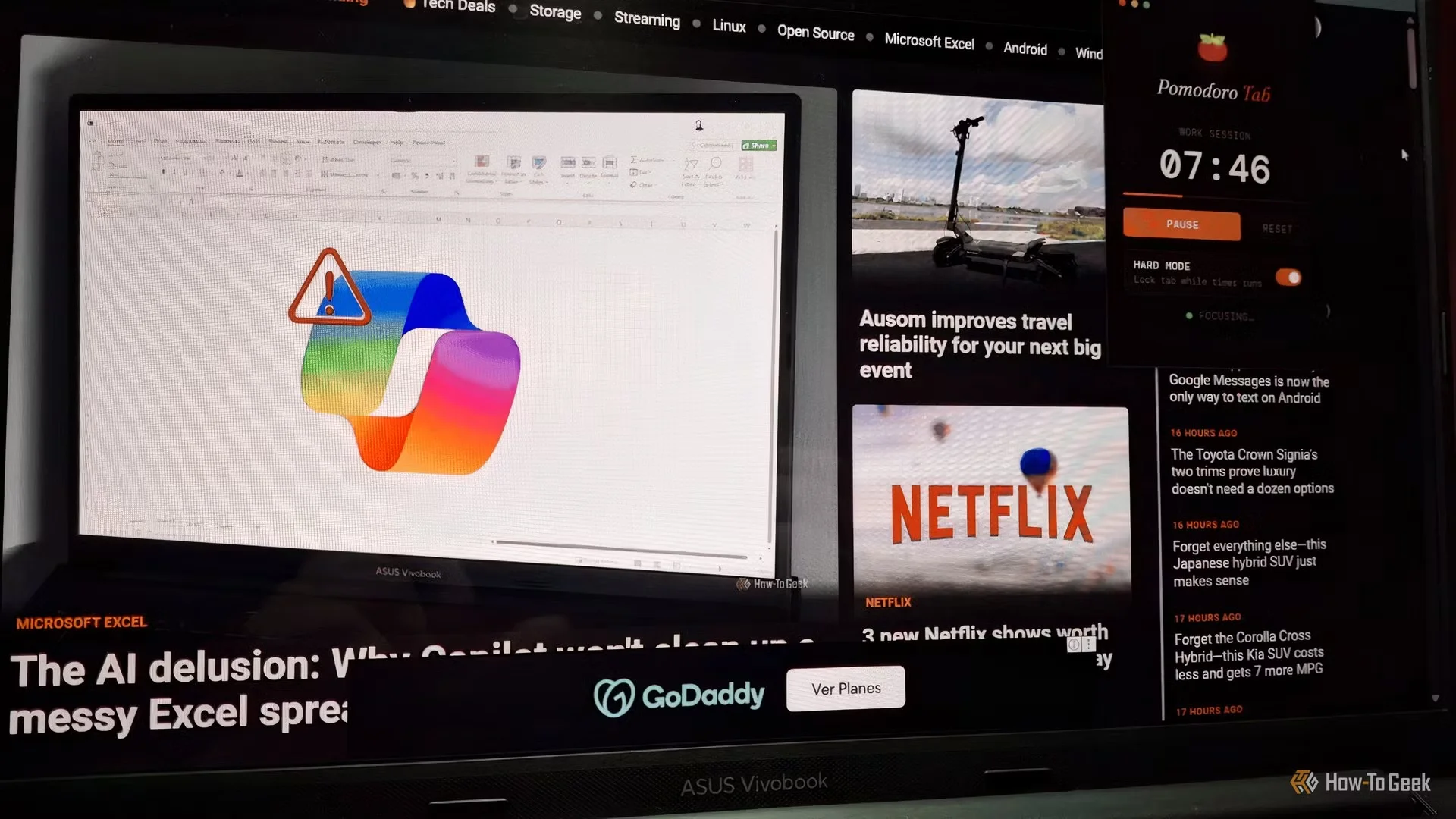
A prime example of this is the rapid creation of a custom Google Chrome extension, such as a specialized Pomodoro timer, by individuals with little to no formal coding background. Instead of grappling with the nuances of manifest files or the intricacies of the Chrome background script environment, the user describes the ‘vibe’ and the functional requirements of the tool. The LLM acts as the interpreter and compiler, translating natural language into high-quality, functional code.
Technically, this process involves an iterative loop where the AI handles complex state management and debugging. When a user encounters an error, they don’t hunt for missing semicolons; they describe the ‘malfunction’ to the AI, which then refines the code logic in real-time. This democratization of development means that ‘Just-in-Time’ custom software is now a reality.
We are moving away from the era of ‘Software as a Product’—where users must adapt to the constraints of mass-market applications—toward ‘Software as a Prompted Result,’ tailored to the specific micro-needs of an individual or a small team. This shift has profound implications for the software industry’s value chain. While enterprise-scale systems still require deep architectural oversight and rigorous engineering, the ’long tail’ of specialized utilities can now be populated by creators who possess clear vision but lack formal training.
Vibe coding empowers the user to become a digital architect, using natural language to sculpt digital tools that previously would have required thousands of dollars in development costs. As these AI models become more adept at understanding context and complex system dependencies, the distance between a dream product and a functional reality is being reduced to a few well-articulated prompts. The future of software is not just about writing code; it’s about mastering the ‘vibe’ of the desired outcome.