🔍 Executive Summary
- FireWire’s market retreat was not a failure of its engineering principles; rather, its high-performance DNA was absorbed into the modern USB-C and Thunderbolt roadmap. The integration of DMA and isochronous data transfer into current standards represents the ultimate technical vindication of IEEE 1394.
Strategic Deep-Dive
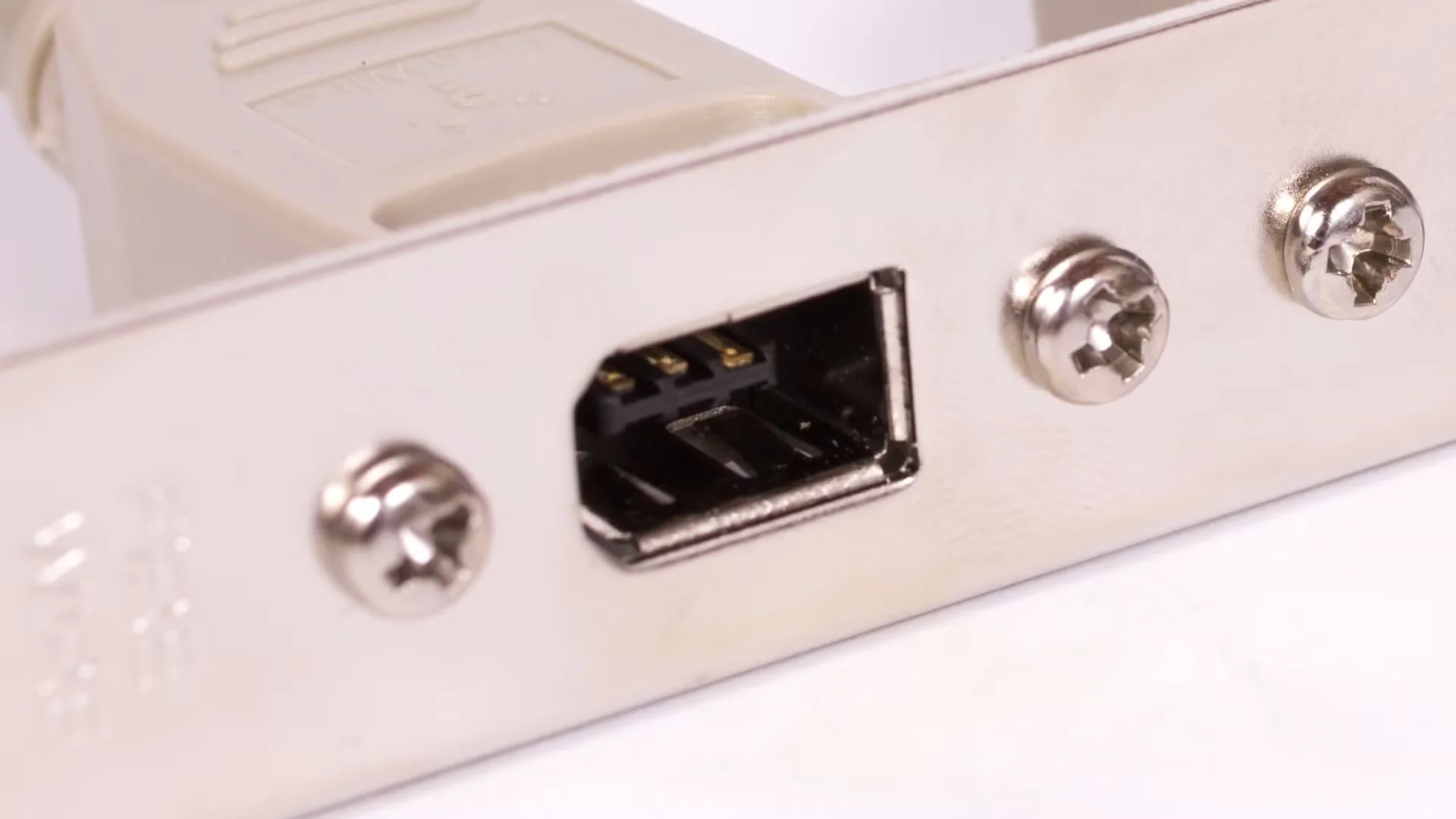
The history of interface standards is often written as a victory for USB over FireWire (IEEE 1394), but a granular analysis of data systems architecture reveals a more nuanced story of technical convergence. While FireWire lost the battle for ubiquity due to Apple’s licensing fees and higher manufacturing costs, its core engineering philosophies won the war for performance. Early iterations of USB were fundamentally ‘dumb’ protocols.
They utilized a host-centric polling mechanism, where the CPU had to constantly manage every peripheral, leading to significant overhead and ‘bursty’ data rates. In stark contrast, FireWire was designed as an intelligent, peer-to-peer interconnect. It pioneered the use of Direct Memory Access (DMA), allowing peripherals to write to and read from system memory without taxing the host processor.
This architecture enabled FireWire 800 to maintain a sustained throughput that USB 2.0 simply couldn’t match, despite similar paper specs. Another critical contribution was ‘isochronous data transfer’—the ability to guarantee a specific bandwidth for time-sensitive data, which made FireWire the gold standard for pro-audio and video production. As external hardware demands increased with the rise of 4K video and external GPUs, the USB-IF was forced to pivot away from its simple polling roots.
The evolution of Thunderbolt and the eventual release of USB 4 represent the ultimate realization of the FireWire vision. These modern standards utilize PCIe tunneling, a sophisticated method of extending the system’s internal data bus to external devices, which is the spiritual successor to FireWire’s DMA approach. By moving away from CPU-taxing interrupts and toward an intelligent, bus-mastering architecture, modern USB has effectively become what FireWire always was.
The transition from the host-client model to a more decentralized, high-speed interface proves that superior technical concepts are rarely discarded; they are simply repackaged once the mainstream infrastructure catches up. Every time we connect a high-speed NVMe drive to a Thunderbolt port, we are benefiting from the interrupt-driven, high-efficiency logic that FireWire brought to the table decades ago. The ports may look different, but the ‘intelligence’ of the data flow is pure IEEE 1394 DNA.