🔍 Executive Summary
- The maturation of Android’s internal architecture, specifically through Project Mainline and the stabilization of the Hardware Abstraction Layer (HAL), has rendered third-party launchers technically redundant. Modern native interfaces now provide the performance and customization once exclusive to external software.
Strategic Deep-Dive
The narrative of the Android launcher has shifted from an essential survival tool to a niche aesthetic choice, driven by a profound evolution in the operating system’s underlying architecture. In the early era of mobile computing, the Android ecosystem was plagued by fragmentation and unoptimized OEM skins that hampered hardware performance. During this period, third-party launchers served as a critical software intervention, offering superior memory management and smoother animation frames than the stock configurations.
However, as a Data Systems Architect observes the current landscape, it is clear that Google’s strategic engineering shifts have effectively cannibalized this market. One of the primary catalysts for this change is Project Mainline. By modularizing core system components, Google gained the ability to update critical UI elements and security patches via the Google Play System, bypassing the need for third-party launchers to ‘fix’ fragmented system behaviors.
Furthermore, the introduction of the ‘Material You’ engine created a sophisticated, system-wide dynamic theming system that hooks directly into the Hardware Abstraction Layer (HAL). This level of integration allows the OS to synchronize color palettes across every interface element, a feat that external launchers cannot replicate without root-level access or significant performance penalties. The most significant technical barrier, however, lies in the transition to gesture-based navigation.
Modern gesture APIs are deeply intertwined with the system’s graphical buffer and window manager to ensure fluid transitions. Because third-party launchers operate as standard applications on top of the framework, they often suffer from a lack of sub-millisecond synchronization with the system’s navigation controller. This results in the infamous ‘jank’ or animation stutters that break the illusion of direct manipulation.
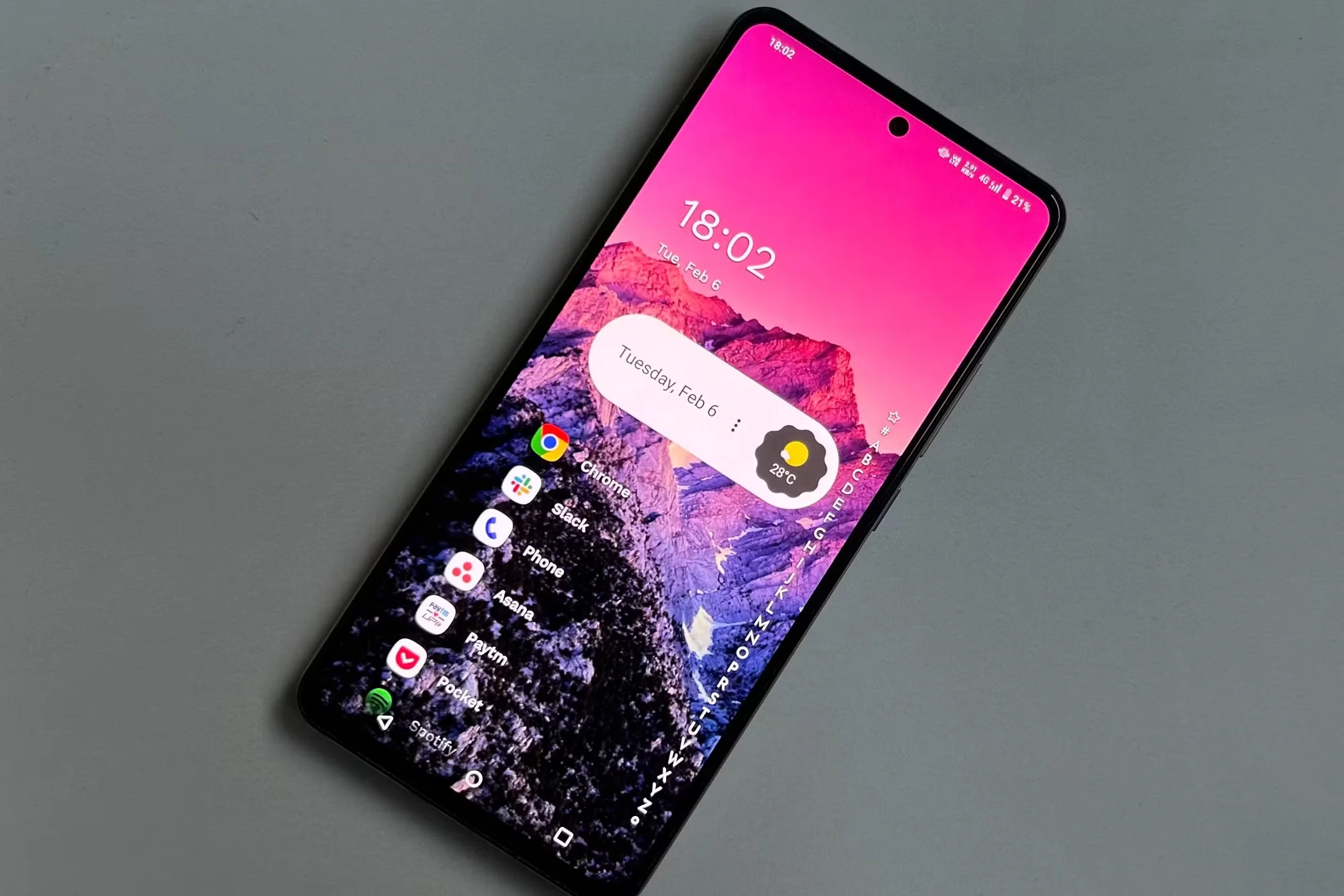
From a UX standpoint, the default interfaces provided by Google and Samsung (One UI) have reached a level of maturity where they offer comprehensive widget support, icon customization, and deep integration with system services like the Google Feed or Samsung Free. The performance overhead required to maintain a third-party customization layer now outweighs the marginal benefits it provides. For the professional user, the native stability, security, and performance optimizations of the modern Android system framework have made the era of the third-party launcher a relic of a less optimized past.