🔍 Executive Summary
- Samsung Electronics has secured a staggering KRW 15 trillion profit lead over rival SK Hynix, leveraging its massive production capacity to capitalize on a price rally in commodity DRAM markets during a historic sector upcycle.
Strategic Deep-Dive
The global semiconductor industry is witnessing a profound divergence in financial performance between the two titans of memory, Samsung Electronics and SK Hynix. Recent financial data reveals a staggering profit gap of approximately KRW 15 trillion (USD 10 billion) in favor of Samsung. While industry discourse throughout late 2024 and early 2025 focused almost exclusively on the high-stakes race for High-Bandwidth Memory (HBM) leadership, the actual driver of this massive capital accumulation has been the resurgence of commodity DRAM.
As market prices for standard memory modules surged during this historic upcycle, Samsung’s entrenched advantage in manufacturing scale allowed it to capture a disproportionate share of the industry’s marginal utility.
Strategic analysis indicates that while SK Hynix garnered significant mindshare and early-mover advantages in the HBM segment—particularly through its partnership with NVIDIA—the sheer volume of the commodity DRAM market remains the primary engine of total corporate profit. Samsung’s strategic decision to maintain high utilization rates across its massive fabrication facilities ensured that it was perfectly positioned to monetize the rapid price recovery of standard DDR5 and LPDDR5X components. In a supply-constrained environment, the ability to deliver volume at scale is often more financially impactful than commanding high premiums on niche, low-volume specialized products.
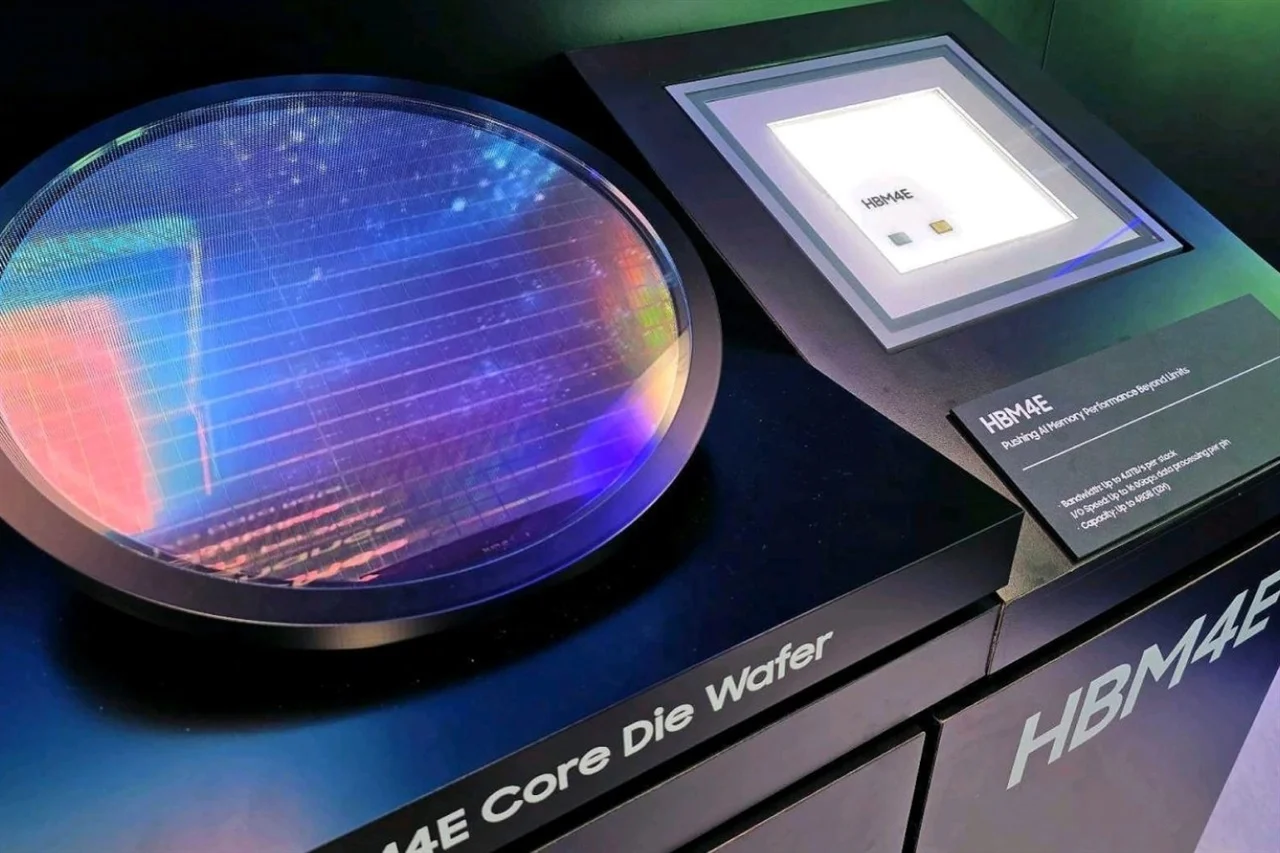
From a technical perspective, the profit leverage provided by commodity products during an upcycle is a function of amortized fixed costs over a larger output. Samsung’s vast infrastructure allowed for lower per-unit production costs compared to rivals who may have pivoted too aggressively toward complex HBM processes, which involve higher yield risks and lower overall throughput. This $10 billion gap serves as a critical war chest for Samsung, providing the necessary liquidity to fund aggressive R&D in sub-10nm DRAM processes and next-generation HBM4 architectures.
Furthermore, this financial superiority complicates SK Hynix’s capital expenditure plans, as the company must now find ways to match Samsung’s R&D spending while operating with a significantly smaller profit base. As the industry moves toward the next phase of the cycle, the sustainability of this lead will depend on whether Samsung can maintain its pricing power in the bulk market while simultaneously narrowing the technical gap in the specialized AI memory segment. Ultimately, the 2025-2026 performance cycle highlights that in the memory business, capacity dominance is still the most reliable predictor of long-term financial resilience.