🔍 Executive Summary
- AMD is disrupting the professional workstation market by introducing its first 16-core Zen 5 PRO processor featuring 3D V-Cache, optimized for high-efficiency enterprise environments.
Strategic Deep-Dive
A Paradigm Shift in Professional Compute: Enter 3D V-Cache
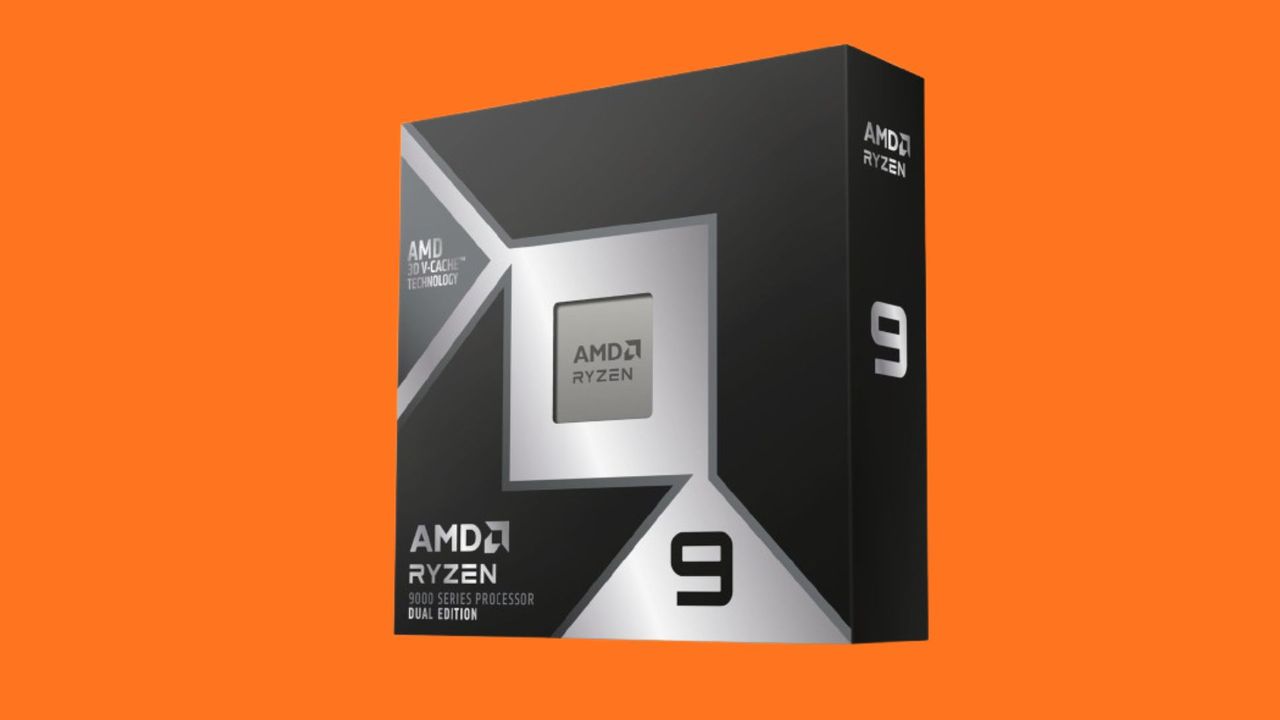
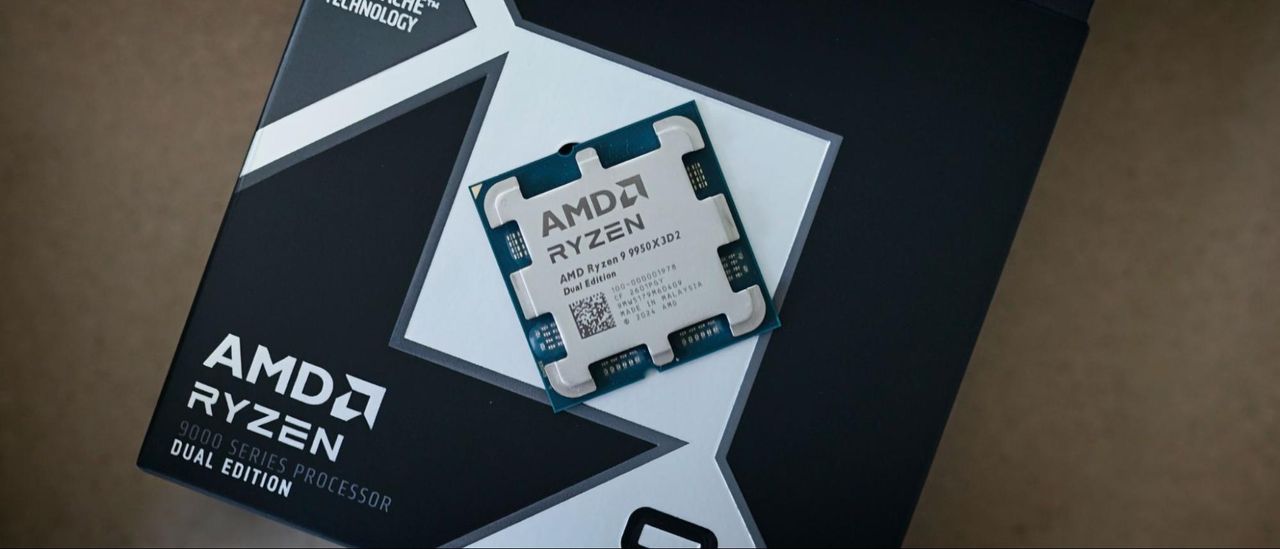
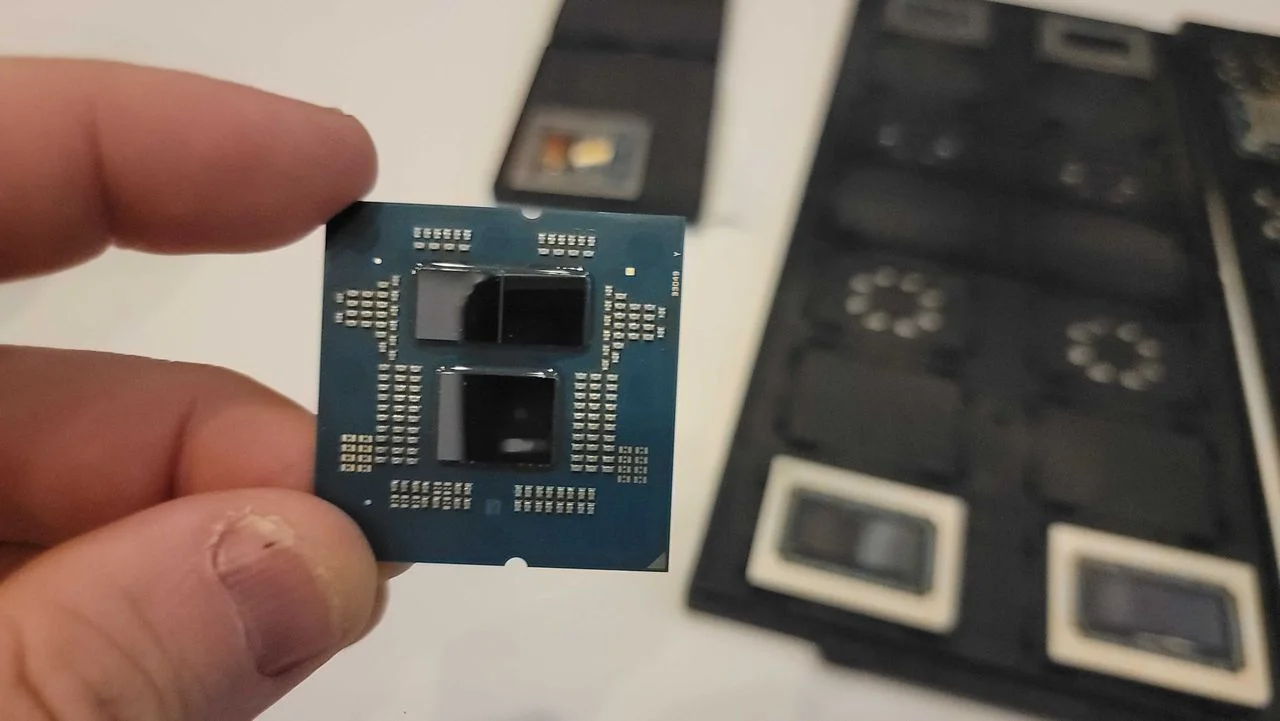
The recent spotting of the AMD Ryzen 9 PRO 9965X3D on the PassMark benchmark database represents a watershed moment for the professional workstation market. Historically, AMD’s revolutionary 3D V-Cache technology—a vertically stacked L3 cache design—was primarily utilized to cement the company’s dominance in the enthusiast gaming sector. However, the integration of this technology into the PRO-series lineup, featuring the 16-core, 32-thread Zen 5 architecture, signals that AMD is now targeting specialized enterprise workloads that are inherently sensitive to memory latency.
As a Data Systems Architect would observe, the addition of massive on-die cache is not merely a luxury; it is a fundamental architectural solution to the ‘memory wall’ encountered during complex data processing tasks, such as electronic design automation (EDA), structural analysis, and massive software repository compilation.
Technical Synthesis: Zen 5 IPC Gains and Thermal Discipline
The Ryzen 9 PRO 9965X3D is built upon the 4nm Zen 5 core architecture, which brings substantial improvements in Instructions Per Clock (IPC) over its predecessor. The synergy between Zen 5’s wider execution engine and the massive L3 cache provided by the 3D stacking process allows for a significant reduction in instruction pointer misses and branch prediction penalties. In professional environments, where stability is paramount, the 9965X3D appears to be tuned for a more conservative Thermal Design Power (TDP) profile compared to its non-PRO 9950X3D counterpart.
This is a critical engineering trade-off. 3D V-Cache is notoriously sensitive to high voltages and concentrated thermal output due to the added silicon layer hindering heat dissipation. By optimizing the voltage-frequency curve, AMD ensures that workstation users receive the performance benefits of the cache without compromising the 24/7 reliability required for mission-critical enterprise applications.
Competitive Dynamics: Challenging the Intel Hegemony
For decades, Intel has maintained a firm grip on the workstation and corporate desktop market through its Xeon and vPro branding. AMD’s introduction of the 9965X3D directly challenges this status quo by offering a unique performance vector—large-scale cache—that Intel currently lacks in its client-side professional offerings. While Intel focuses on increasing core counts and introducing specialized acceleration tiles, AMD’s approach addresses the actual bottleneck of many modern software suites: the speed at which data travels between the processor and memory.
Furthermore, the 9965X3D fits into the existing AM5 infrastructure, providing IT departments with a more flexible and cost-effective upgrade path compared to proprietary server-grade platforms. This move is expected to accelerate AMD’s market share growth in the high-end workstation segment as firms prioritize ‘performance per watt’ and specialized architectural advantages over legacy brand loyalty.
Future Implications for the Global Supply Chain
As AI-driven workflows and local LLM (Large Language Model) inference become standard in the professional workspace, the requirement for localized, high-speed memory access will only intensify. The 9965X3D positions AMD as a leader in this ‘on-device’ performance shift. By moving advanced 3D packaging technologies into the mainstream professional supply chain, AMD is encouraging a wider adoption of advanced semiconductor manufacturing techniques.
This trend likely forces competitors and foundries to accelerate their own 3D stacking roadmaps, potentially leading to a new era of ‘volumetric computing.’ For global enterprises, the 9965X3D offers a robust balance of security, manageability, and raw architectural innovation, making it a pivotal component in the next generation of high-performance IT infrastructure.