🔍 Executive Summary
- Leaked Geekbench 6 benchmarks for the AMD Ryzen AI 5 435G demonstrate that this new six-core Zen 5 APU achieves performance parity with the previous generation's higher-tier Ryzen 5 8600G, signaling a major shift in budget computing power.
Strategic Deep-Dive
The Strategic Expansion of Zen 5 Architecture
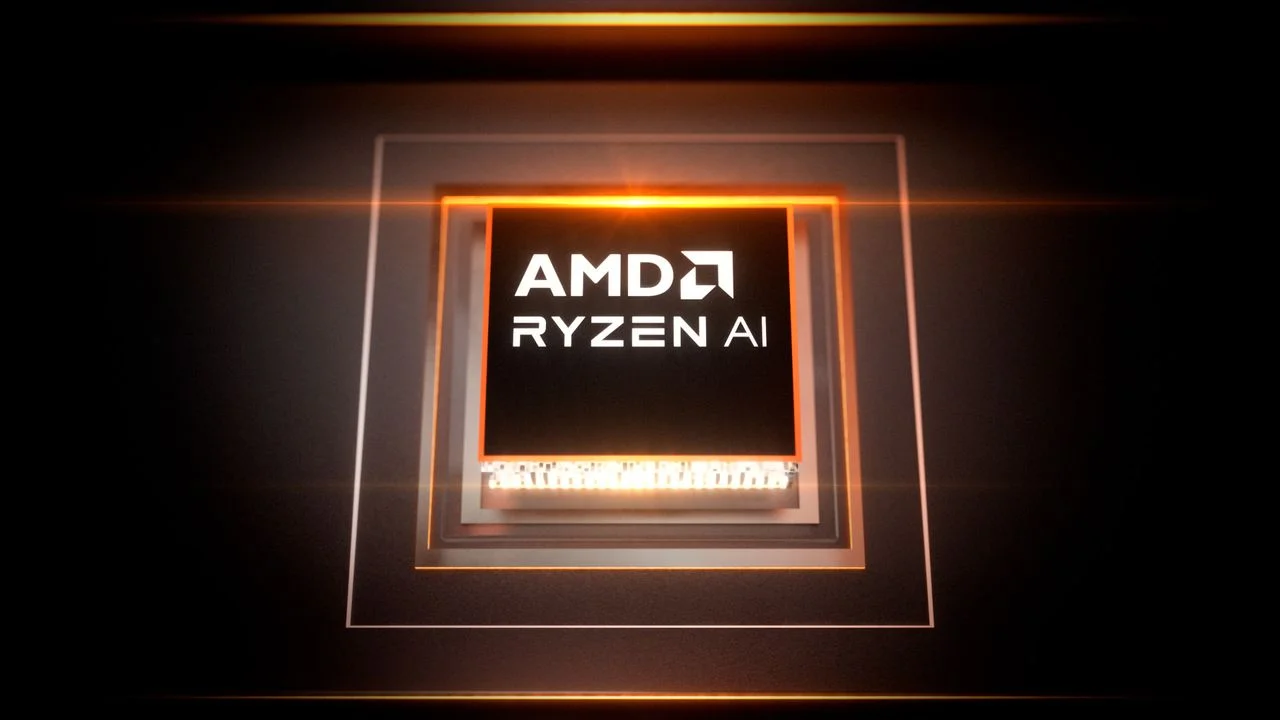
AMD is currently executing a rapid top-to-bottom refresh of its processor lineup, with a particular focus on integrating Artificial Intelligence capabilities into its mainstream products. The latest evidence of this strategy is the emergence of the Ryzen AI 5 435G, a six-core, twelve-thread APU that leverages the sophisticated ‘Zen 5’ architecture. Historically, entry-level ‘G-series’ processors lagged behind their high-end counterparts by a generation or more in terms of architecture.
However, the Ryzen AI 5 435G breaks this trend, bringing the high-efficiency Zen 5 cores to the budget-conscious segment of the market. This move is a direct response to the evolving demand for ‘AI PCs,’ where even entry-level hardware is expected to handle specialized machine learning tasks alongside traditional compute workloads.
Benchmarking a Generational Leap: 435G vs. 8600G
Technical data from recent Geekbench 6 leaks provides a fascinating look at the performance trajectory of AMD’s APUs. The Ryzen AI 5 435G has demonstrated performance levels that are virtually indistinguishable from the Ryzen 5 8600G. The 8600G, based on the Zen 4 architecture, has been a benchmark for integrated graphics performance since its release.
For a ‘series 5’ budget model like the 435G to match the raw single-core and multi-core throughput of a ‘series 6’ performance model represents a significant engineering achievement. This parity is likely driven by the Zen 5 core’s refined branch prediction, wider execution engines, and improved L1/L2 cache hierarchies. For the end-user, this means that the next generation of budget desktops will offer the same responsiveness and multitasking capabilities previously reserved for much more expensive mid-range systems.
Competitive Implications for the PC Ecosystem
The arrival of the Ryzen AI 5 435G puts immense pressure on Intel’s entry-level Core i3 and Core i5 offerings, particularly those lacking competitive integrated graphics solutions. As the market shifts toward the AM5 platform’s longevity, the 435G provides a low-cost entry point that does not sacrifice architectural modernity. Furthermore, by branding this chip under the ‘Ryzen AI’ umbrella, AMD is signaling that its XDNA-based NPU is becoming a standard feature across the stack.
This is crucial as Microsoft and other software vendors push for localized AI processing. For budget PC builders, the Ryzen AI 5 435G represents the ideal ‘all-in-one’ silicon solution, capable of delivering respectable 1080p gaming performance and modern AI acceleration without the need for a dedicated GPU. This launch marks a definitive moment where Zen 5 efficiency democratizes high-end compute performance for the mass market.