🔍 Executive Summary
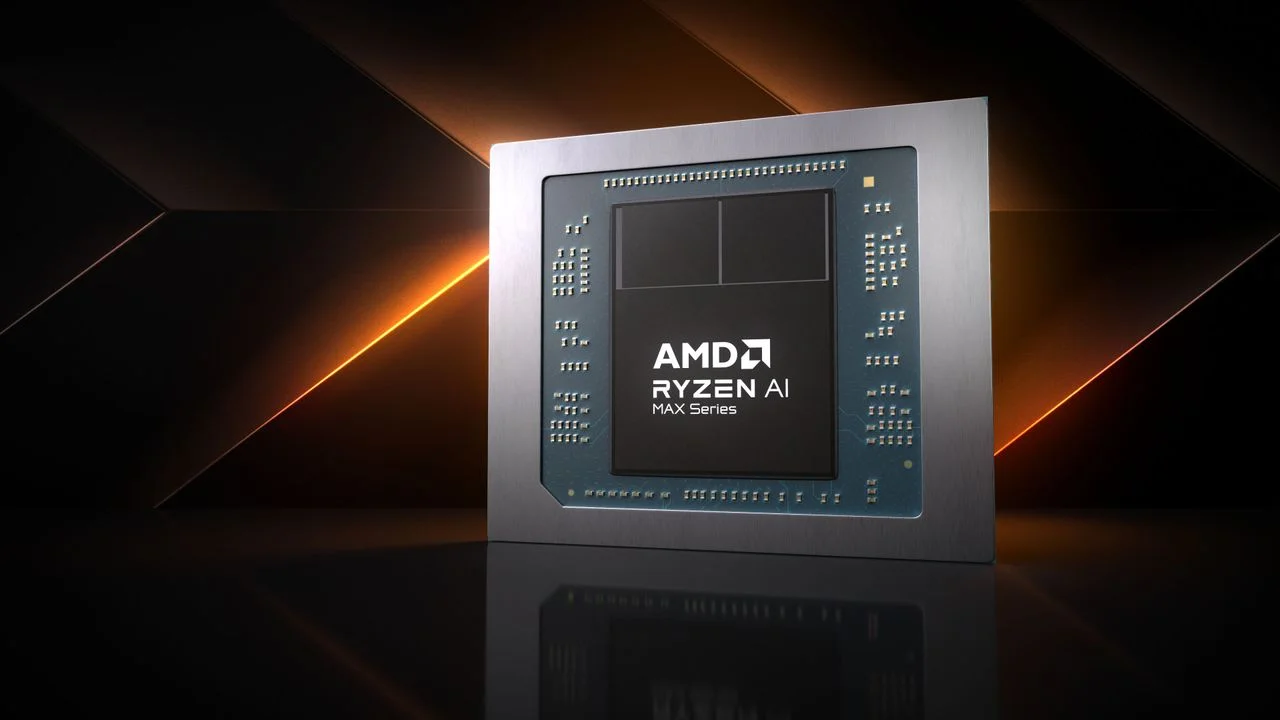
- The upcoming AMD 'Gorgon Halo' architecture aims to redefine high-end mobile computing by merging 16 Zen 5 cores with a powerhouse Radeon 8065S iGPU in a single, high-efficiency silicon package.
Strategic Deep-Dive
The Gorgon Halo Architecture: A New Benchmark for Mobile Workstations
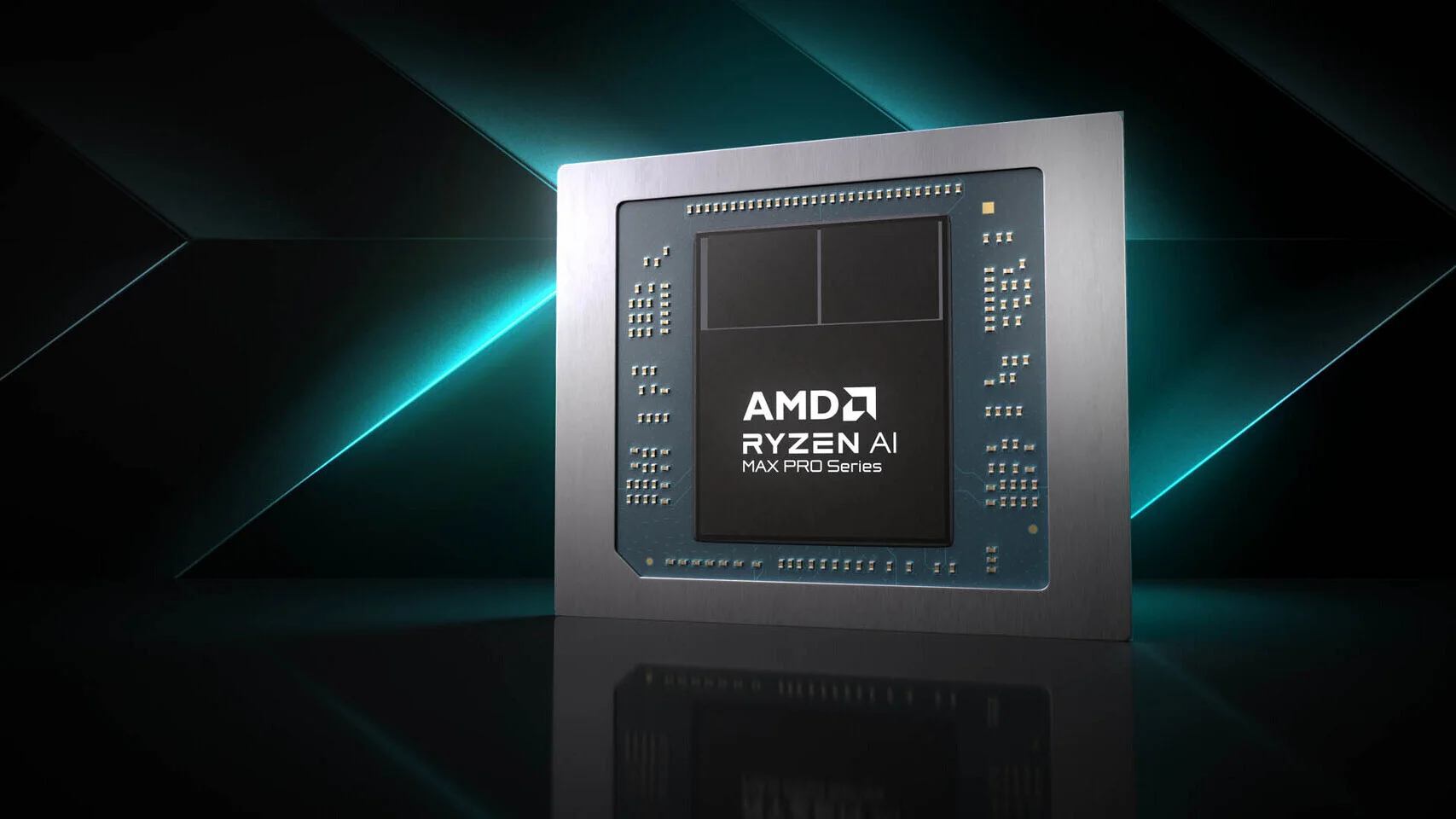
AMD is preparing to fundamentally reset the performance expectations for high-end laptops with the introduction of its ‘Gorgon Halo’ architecture. The recent appearance of the Ryzen AI Max+ PRO 495 in benchmark databases confirms that AMD is no longer content with providing incremental updates to its mobile lineup. Instead, the company is deploying a 16-core Zen 5 powerhouse designed to compete directly with the highest tiers of desktop-replacement processors and Apple’s Silicon M-series Max chips.
By cramming 16 full-performance cores and 32 threads into a mobile package, AMD is addressing a growing market segment: mobile professionals, developers, and engineers who require massive multi-threaded throughput without being tethered to a desktop workstation.
Radeon 8065S: Breaking the Integrated Graphics Ceiling
Perhaps the most technically significant aspect of the Gorgon Halo leak is the Radeon 8065S integrated graphics. For the first time, we are seeing an integrated GPU (iGPU) that is not merely a supplementary component but a central pillar of the chip’s computational power. The Radeon 8065S is expected to deliver performance parity with mid-to-high range discrete GPUs, potentially rendering the need for separate graphics cards obsolete in many professional laptop designs.
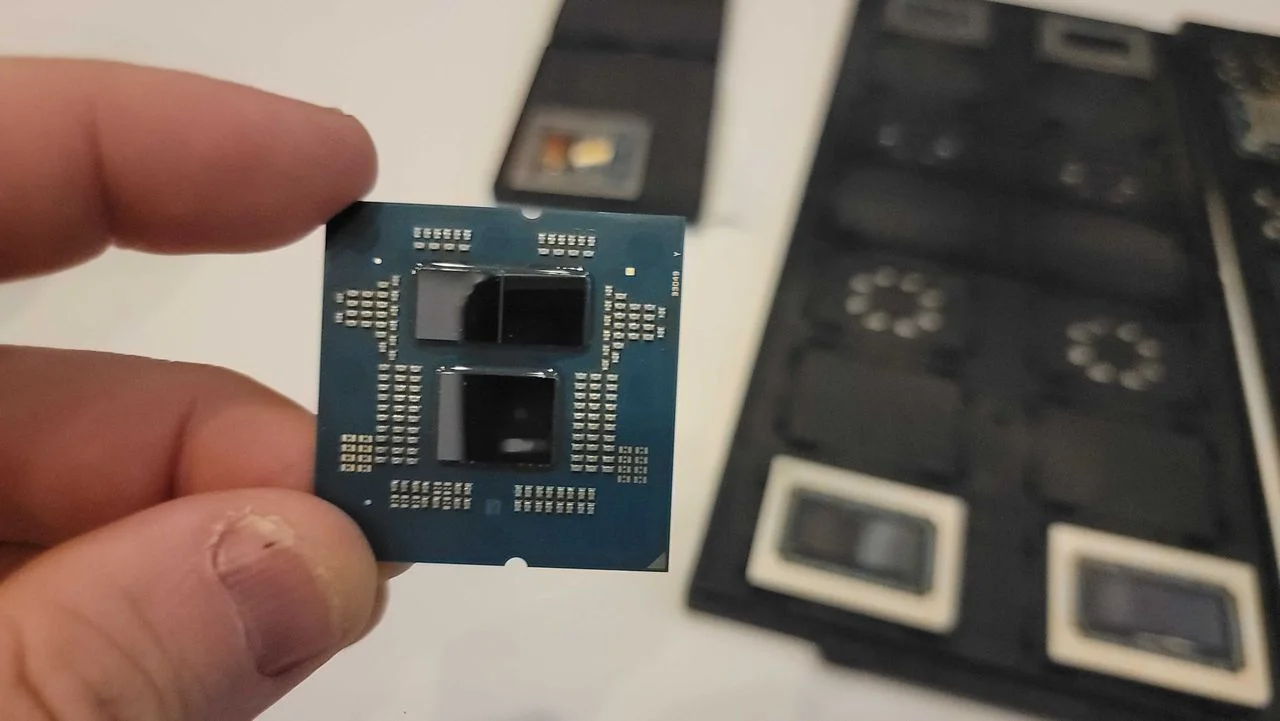
This integration is crucial for maintaining thermal efficiency. By housing both the CPU and a high-performance GPU on the same silicon—likely utilizing advanced multi-die or chiplet packaging techniques—AMD can achieve significantly lower total system power (TSP) compared to traditional CPU+dGPU configurations. This ‘unified’ approach allows for better power gating and thermal management, which translates to longer battery life and thinner device profiles for professional users.
The Strategic Importance of ‘Ryzen AI Max’
As the industry pivots toward the ‘AI PC’ era, the ‘Ryzen AI Max’ branding highlights the inclusion of a dedicated NPU (Neural Processing Unit) capable of handling heavy AI inference tasks locally. The Ryzen AI Max+ PRO 495 is designed to provide the necessary TOPS (Tera Operations Per Second) to support Microsoft’s Copilot+ requirements and other localized AI software ecosystems. For enterprise clients, this means enhanced privacy and reduced latency, as sensitive data can be processed on the device rather than the cloud.
Furthermore, the ‘PRO’ designation ensures that these chips include specialized hardware-level security layers and manageability features, making them highly attractive to corporate IT departments tasked with securing high-performance remote workforces.
Market Impact and Competitive Landscape
The Gorgon Halo architecture represents AMD’s most direct assault on Apple’s monopoly over the ‘high-performance-per-watt’ laptop segment. While Intel’s latest mobile offerings focus on specialized tile architectures, AMD’s approach leverages the proven scalability of the Zen 5 architecture and the RDNA graphics lineage. If the performance leaks hold true, the Ryzen AI Max+ PRO 495 will become the go-to silicon for the next generation of creative and scientific laptops.
This shift not only impacts PC manufacturers like Dell, HP, and Lenovo, who will now have a formidable AMD-based flagship option, but also puts pressure on Nvidia to justify the power and cost overhead of its mobile discrete GPUs in a world where integrated solutions are becoming exponentially more capable. The silicon landscape is moving toward total integration, and with Gorgon Halo, AMD is positioning itself at the very vanguard of this evolution.