🔍 Executive Summary
- Valve's engineering team detailed the design philosophy behind the Steam Controller, emphasizing the use of user-space drivers to prevent system crashes. The interview highlights their focus on latency management and the strategic requirement of the Steam platform.
Strategic Deep-Dive
Technical Insights from Valve’s Hardware Architects
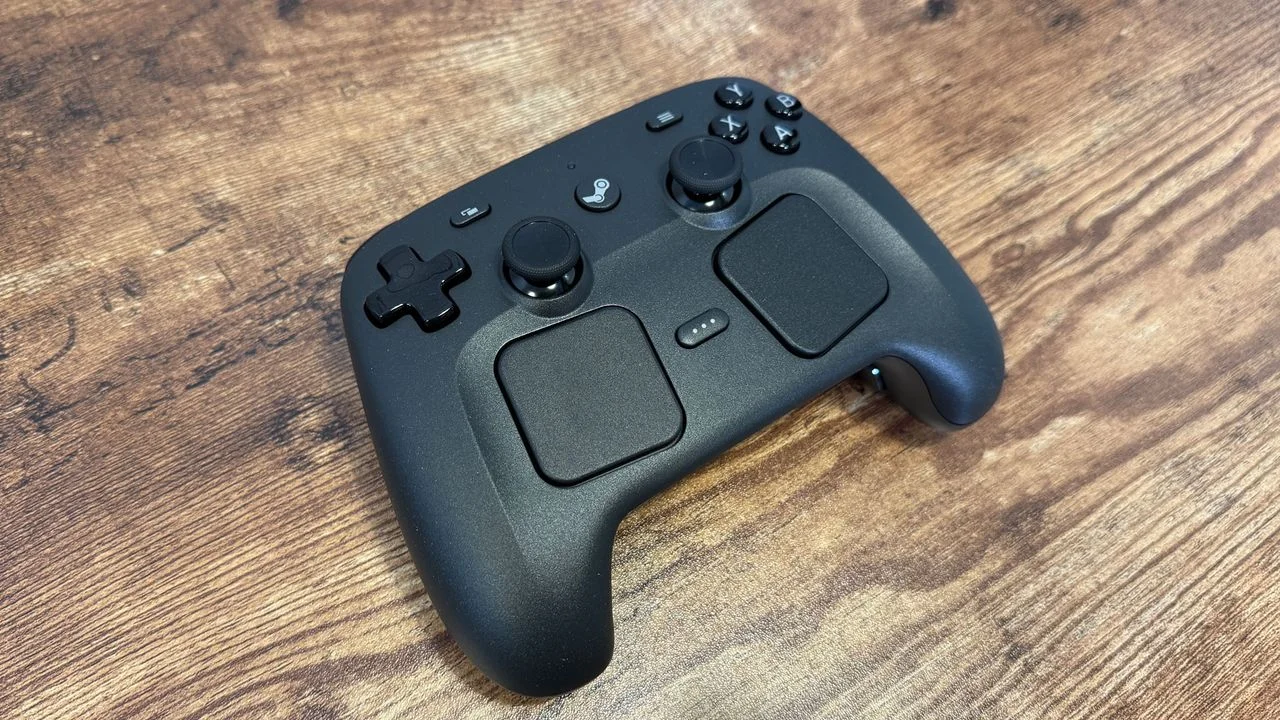
In a detailed technical breakdown, Valve’s engineers and programmers discussed the unconventional path they took with the latest Steam Controller. The conversation centered on balancing hardware performance with software-driven flexibility.
- The Philosophy of No Kernel Drivers: Valve made the strategic choice to avoid kernel-level drivers entirely. By keeping the controller’s logic within the user-space, they eliminate the risk of the hardware causing a ‘Blue Screen of Death’ (BSOD) or a full system crash. This ‘joy of no kernel driver’ approach ensures that even if a driver error occurs, it remains isolated within the application layer, protecting the integrity of the operating system.
- Dependency on the Steam Client: Because the device lacks a native OS-level driver, it functions essentially as an extension of the Steam client. This means Steam must be running for the controller to exhibit its full functionality. This design creates a seamless loop for updates and feature additions, as Valve can push improvements directly through Steam without requiring administrative system changes from the user.
- Aggressive Latency Mitigation: A common critique of software-based drivers is the potential for input lag. Valve’s engineers addressed this by developing a bespoke communication protocol that minimizes the overhead of processing inputs at the application level, ensuring competitive-grade response times.
- Iterative Design and Prototyping: The team shared how they moved through dozens of prototypes, testing various touchpads, haptics, and button layouts to ensure the device could handle a diverse range of gaming genres, from FPS to strategy titles.
This approach underscores Valve’s prioritization of software integration and user accessibility over the traditional, driver-heavy peripheral model.