🔍 Executive Summary
- Intel has strategically bolstered its leadership team by appointing Alex Katouzian, a 25-year Qualcomm veteran, to oversee its Client Computing Group and Physical AI initiatives, alongside confirming Pushkar Ranade as CTO to drive AI-integrated edge computing solutions.
Strategic Deep-Dive
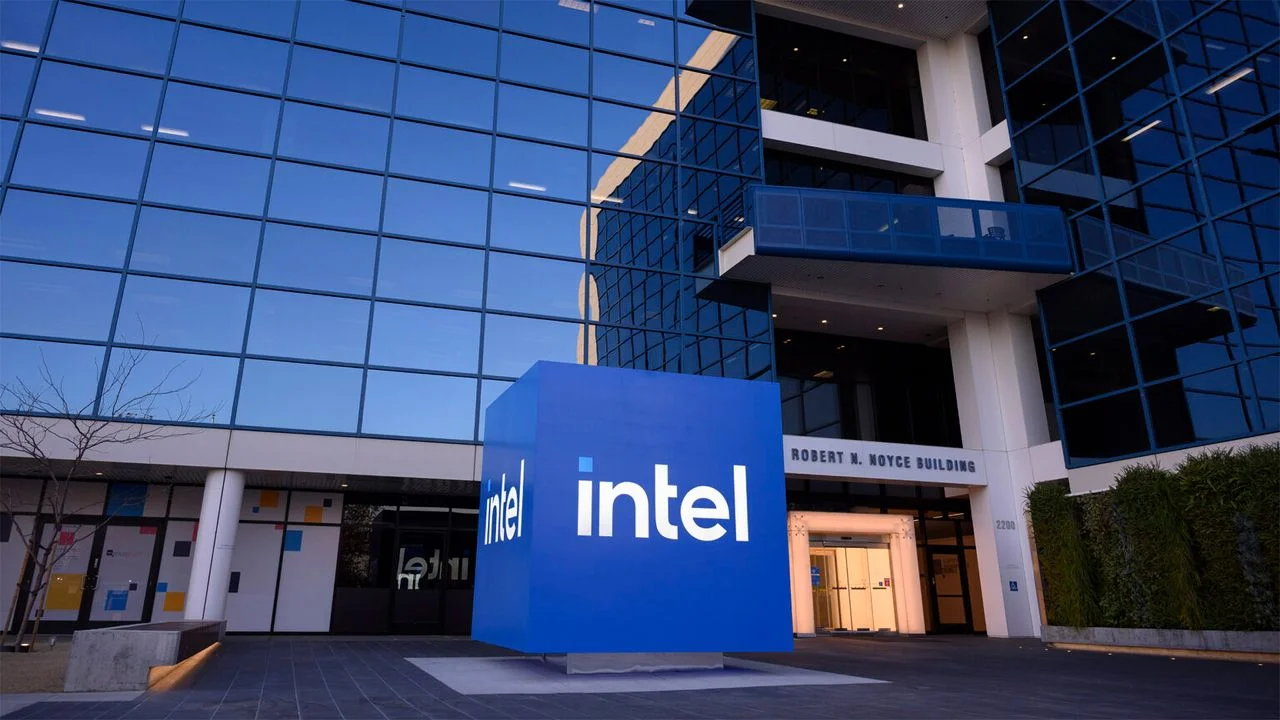
The high-profile recruitment of Alex Katouzian by Intel represents a monumental strategic pivot in the company’s mission to dominate the next generation of consumer technology and AI-integrated ecosystems. Katouzian, a legendary figure who dedicated a quarter-century to Qualcomm, was instrumental in the creation and global dominance of the Snapdragon platform, bringing a deep reservoir of expertise in mobile architecture, low-power design, and System-on-Chip (SoC) integration. His appointment to lead Intel’s Client Computing Group (CCG) and the newly prioritized ‘Physical AI’ sector indicates that Intel is aggressively moving beyond its historical focus on legacy desktop computing.
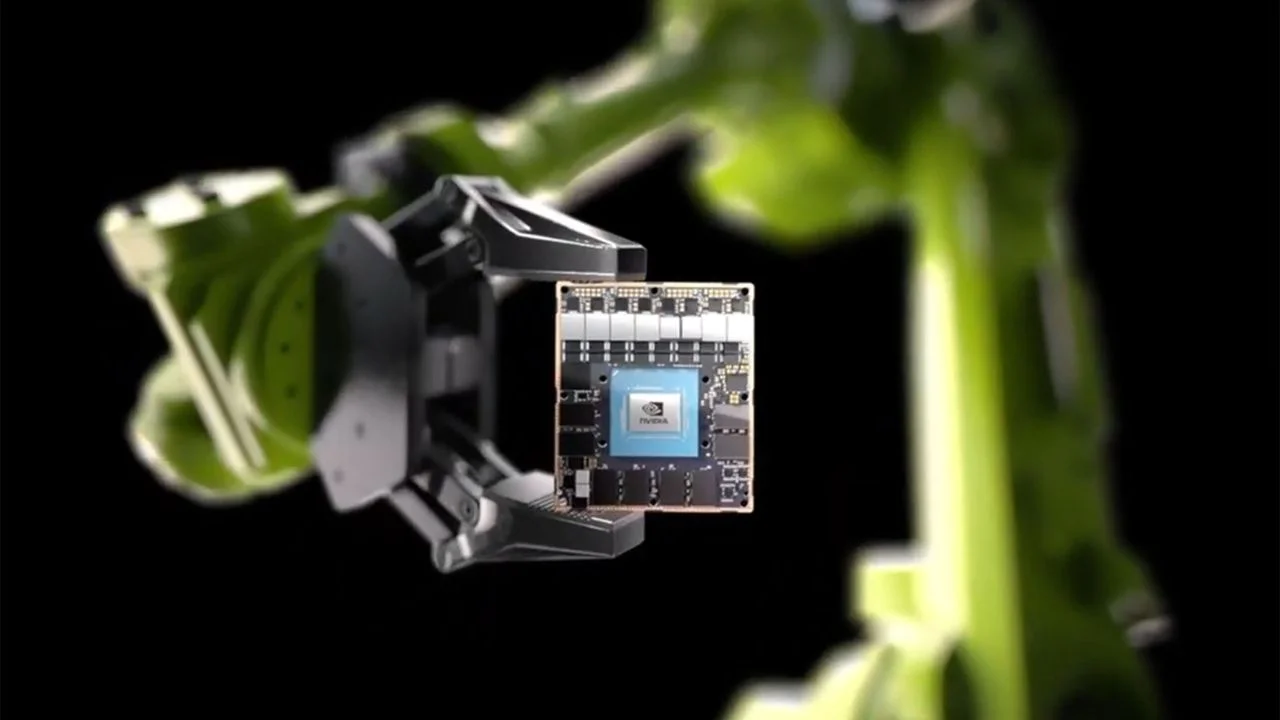
Physical AI represents a frontier where artificial intelligence moves out of the data center and into the tangible world, powering robotics, autonomous drones, and sophisticated edge sensors that require real-time processing and immediate sensory feedback. This domain demands hardware that can operate under strict thermal and power constraints while delivering immense localized compute power—a challenge that aligns perfectly with Katouzian’s background in mobile innovation. Simultaneously, the confirmation of Pushkar Ranade as Chief Technology Officer provides a stable, visionary technical foundation for this transition.
Together, Katouzian and Ranade are expected to overhaul Intel’s client roadmap to prioritize AI efficiency and seamless edge integration. In the current competitive landscape, Intel faces significant pressure from ARM-based architectures and Apple’s proprietary silicon. By securing a veteran who deeply understands the intricacies of mobile ecosystems and the transition toward on-device generative AI, Intel is signaling a direct challenge to its rivals.
This leadership shift occurs at a critical juncture where the ‘AI PC’ market is expected to explode. Katouzian’s experience will be instrumental in ensuring that future Intel Core processors are not just raw compute engines but integrated AI platforms capable of managing complex neural networks with minimal latency. Furthermore, the move is a symbolic victory in the ongoing ’talent war’ within the semiconductor industry, proving that Intel remains a destination for top-tier executive talent despite its organizational restructuring.
The focus on Physical AI highlights a broader transformation; Intel aims to create an agile unit capable of responding to rapid advancements in autonomous systems where the hardware must perceive and interact with the physical environment. As Katouzian takes the helm, the industry anticipates a significant acceleration in Intel’s client-side AI capabilities, potentially redefining the relationship between human users and their personal computing hardware through more intuitive, sensory-aware devices.