🔍 Executive Summary
- Samsung Electronics is reportedly rebooting its Silicon Carbide (SiC) foundry business, targeting mass production by 2028. By repurposing its legacy 8-inch (200mm) lines, Samsung aims to capture the surging demand for power semiconductors in the EV sector, skipping the 6-inch transition to compete directly at the current industry frontier.
Strategic Deep-Dive
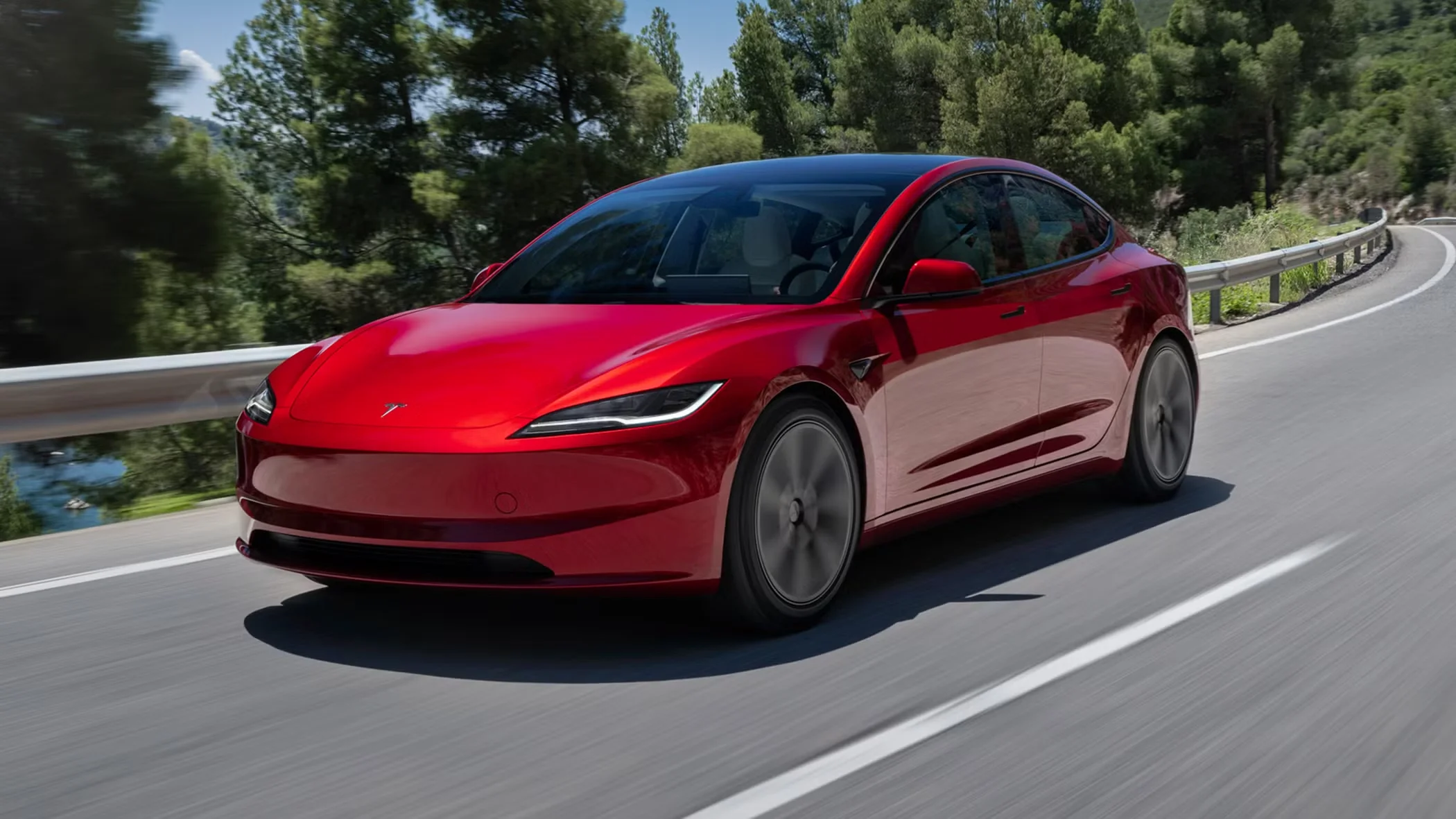
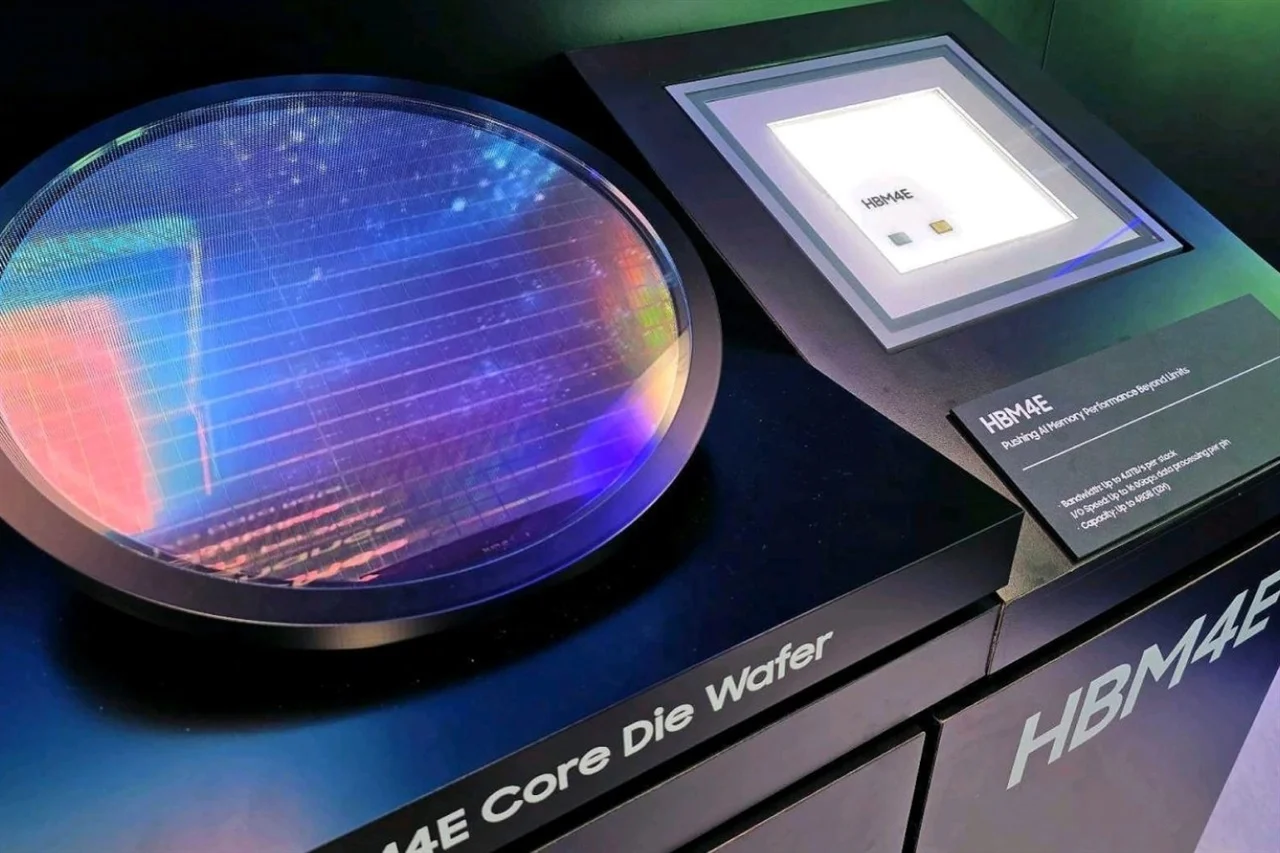
Samsung Electronics is strategically pivoting to restart its Silicon Carbide (SiC) wafer foundry operations, a move designed to revitalize its legacy 8-inch (200mm) foundry infrastructure. Industry intelligence suggests a formal target for mass production by 2028, aligning with the anticipated peak in demand for next-generation power semiconductors within the electric vehicle (EV) and energy storage systems (ESS) markets. This ‘reboot’ is a tactical necessity as Samsung seeks to optimize its 200mm facilities, which have faced legacy node optimization challenges in an increasingly polarized semiconductor market.
Significantly, Samsung appears to be skipping the developmental struggles associated with 6-inch (150mm) SiC production, aiming to enter the market directly at the 8-inch standard. This is a critical move; 8-inch SiC is currently the industry’s ‘frontier’ for achieving the economies of scale required to lower the cost of high-voltage power electronics. While established incumbents like Wolfspeed and STMicroelectronics have a multi-year head start, Samsung intends to leverage its world-class manufacturing execution and process stability to compete on volume and yield.
The 2028 timeline reflects the technical complexity of handling SiC’s material properties, yet it signals a commitment to foundry diversification. By integrating SiC into its service portfolio, Samsung is positioning itself as a comprehensive partner for the automotive sector, moving beyond infotainment and ADAS processors into the mission-critical power delivery systems that define modern EV performance. Success in this domain will depend on Samsung’s ability to achieve price parity through its 8-inch manufacturing efficiencies, potentially disrupting the current Western-dominated supply chain.