🔍 Executive Summary
- In 2026, the dream of an all-SSD future has hit the reality of economic and technical limits, making hybrid storage architectures the new gold standard for performance and scale.
Strategic Deep-Dive
The technological consensus of the early 2020s predicted a total eclipse of Hard Disk Drives (HDDs) by Solid State Drives (SSDs). However, as we move through 2026, the hardware landscape has executed a surprising pivot. The ‘all-SSD’ PC build, once the hallmark of an enthusiast, is now increasingly viewed as an over-provisioned and economically inefficient choice.
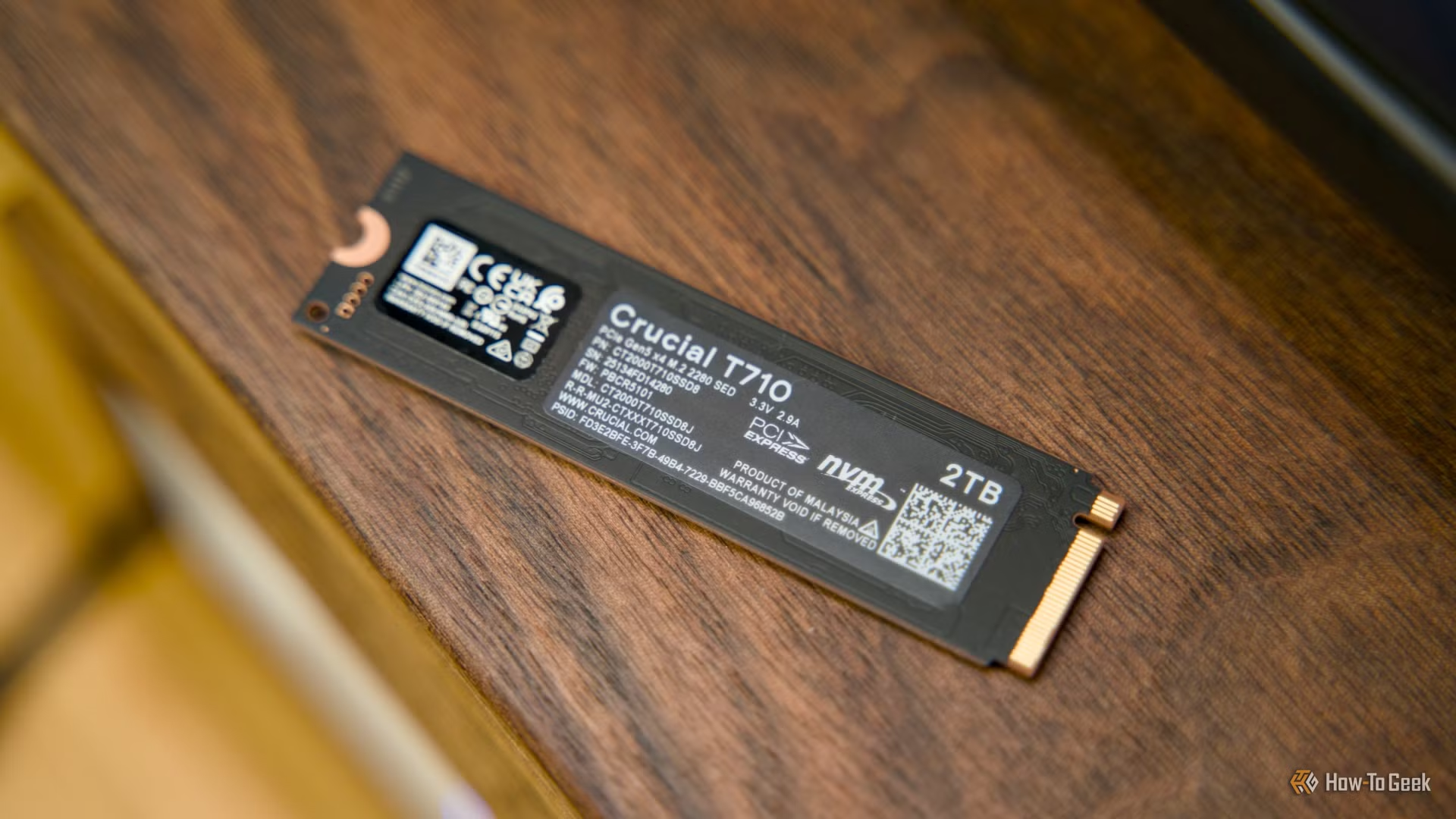
This shift is driven by a complex interplay of manufacturing constraints, evolving data workloads, and the physics of data storage. While NVMe technology has reached staggering throughput milestones with PCIe Gen6, the cost-per-terabyte for high-density flash storage has plateaued, creating a significant barrier for users whose storage needs are expanding exponentially due to the rise of local generative AI and 8K multimedia production.
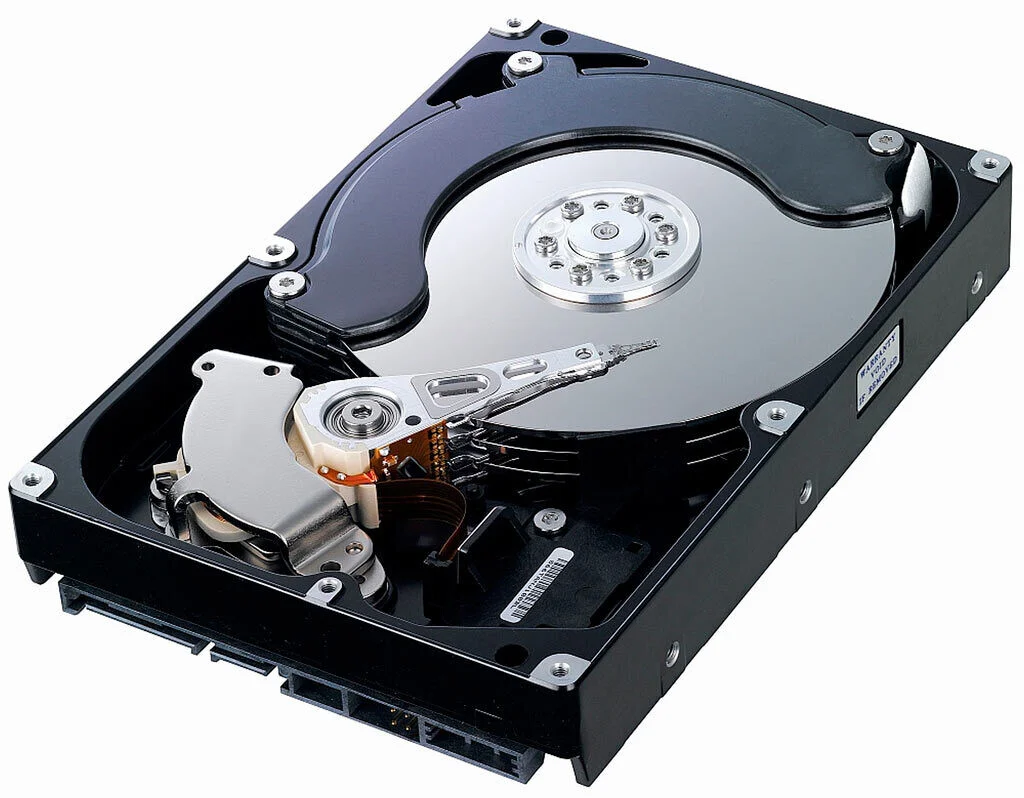
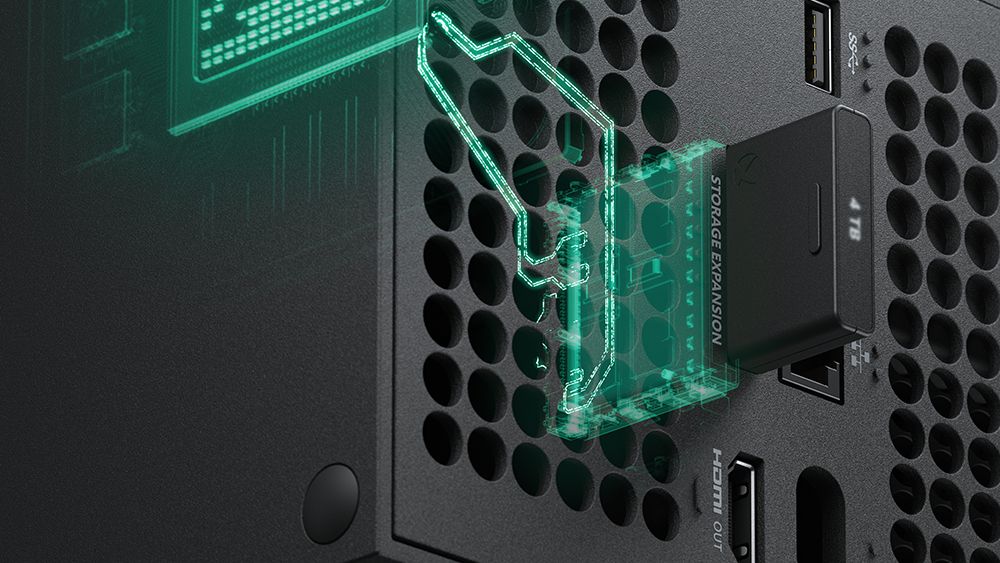
One of the primary catalysts for this hybrid renaissance is the emergence of Heat-Assisted Magnetic Recording (HAMR) and Multi-Actuator technology in the enterprise and consumer HDD markets. These advancements have allowed mechanical drives to reach capacities exceeding 32TB without the exorbitant price tags associated with 16TB+ SSDs. In a 2026 workstation, the role of the SSD has been refined to that of a ‘performance accelerator’ rather than a universal repository.
Operating systems, active project files, and core applications reside on high-speed flash, but the ‘cold data’—massive AI training sets, high-fidelity media archives, and long-term system snapshots—is relegated to high-capacity spinning platters. This tiering strategy is not merely about saving money; it is about thermal management and system longevity. High-speed NVMe drives in 2026 generate substantial heat, often requiring dedicated active cooling solutions that add complexity and noise to a build.
By offloading bulk storage to efficient HDDs, users can maintain a quieter, cooler environment while having access to nearly limitless capacity.
Furthermore, the industry has rediscovered the importance of data retention and reliability in offline scenarios. Professional analysts have pointed out that NAND flash cells are susceptible to electron leakage over long periods without power, a risk that mechanical magnetic storage does not share in the same capacity. For professionals managing vast digital legacies, the mechanical drive offers a degree of permanence that flash struggles to match.
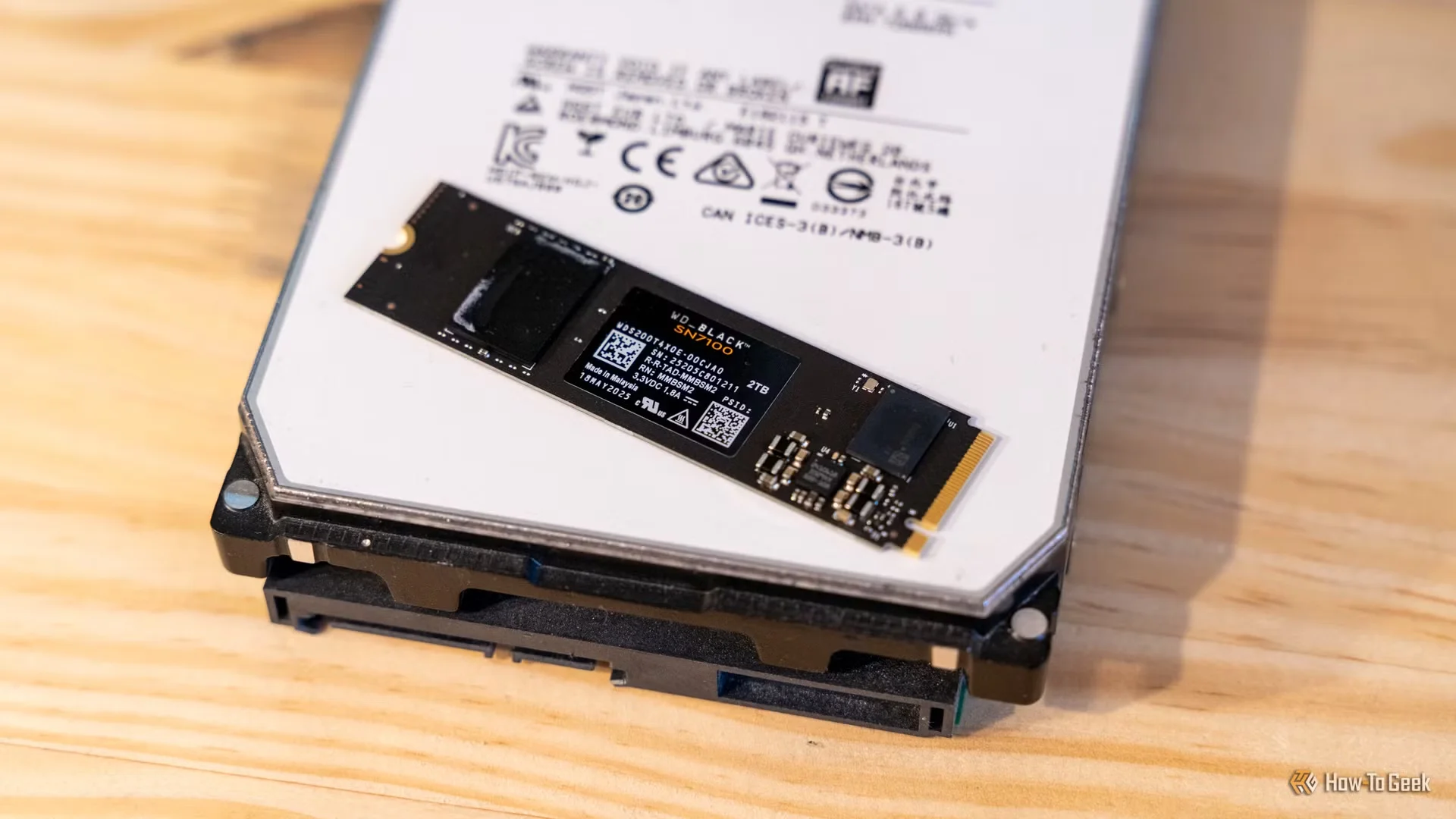
The 2026 storage market is therefore defined by balance. We are seeing a move away from the ‘speed at any cost’ mantra toward a ‘Simulation-as-a-Service’ and data-heavy reality where capacity is king. As we look toward the end of the decade, the hybrid storage model—utilizing the best of both worlds—stands as the most rational architecture for both individual creators and massive data centers alike, proving that the death of the HDD was a premature diagnosis.