🔍 Executive Summary
- Tesla’s decision to flood the Canadian market with Shanghai-produced Model 3s at an 'absurdly low' price point exposes the widening gap between Chinese supply chain efficiency and North American manufacturing costs, signaling a prolonged recovery for regional competitors.
Strategic Deep-Dive
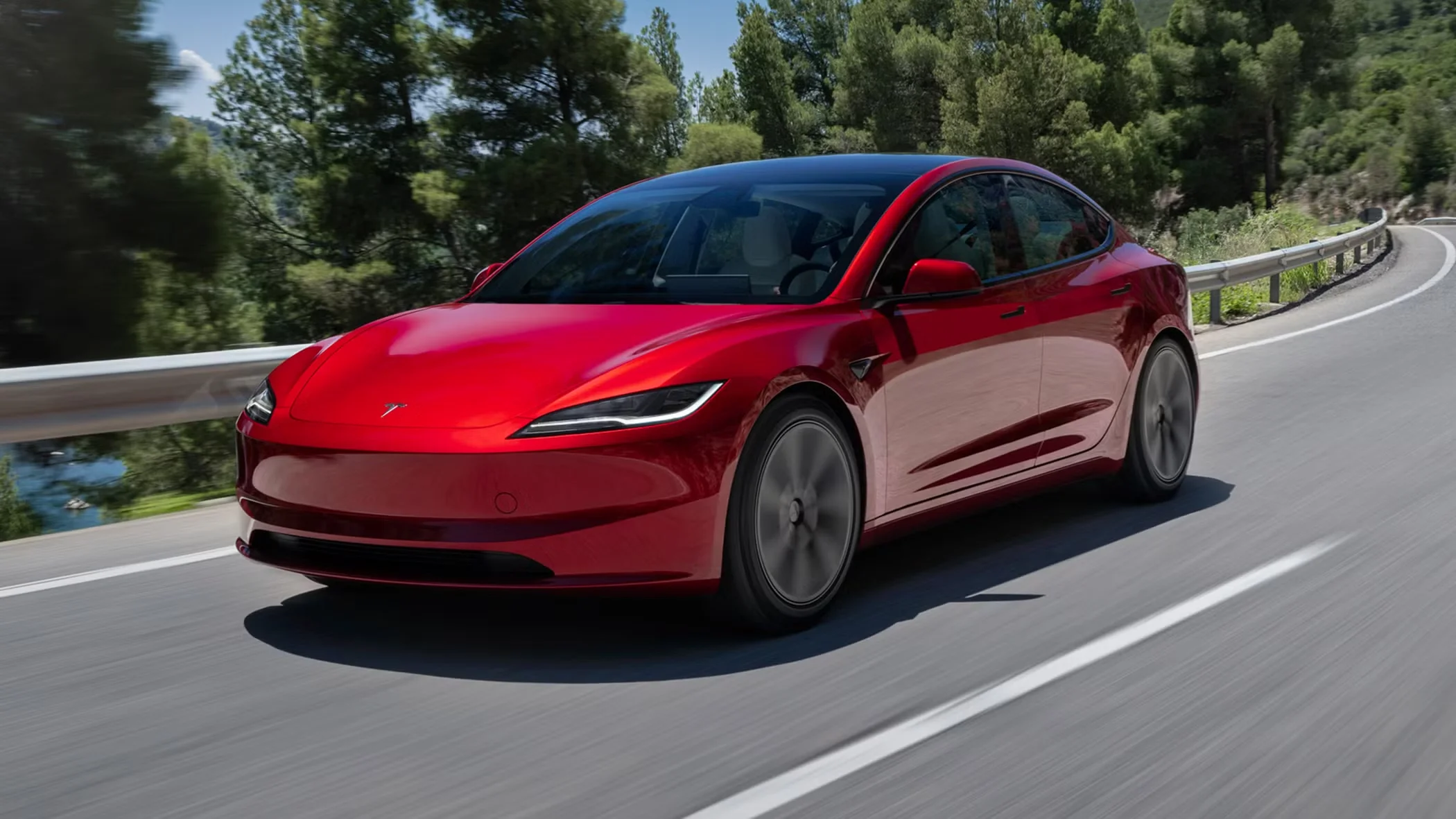
The recent maneuver by Tesla to supply the Canadian market with Model 3 units manufactured at Giga Shanghai represents more than just a logistical shift; it is a calculated masterstroke of geopolitical arbitrage that highlights the stark competitive divide in the global electric vehicle (EV) sector. By leveraging the mature and highly integrated industrial ecosystem of the Yangtze River Delta, Tesla is able to offer vehicles in Canada at a price point described by industry insiders as ‘absurdly low.’ This aggressive pricing strategy is primarily enabled by the superior cost structure of Shanghai’s production lines, which benefit from immediate access to LFP battery suppliers and a hyper-efficient tier-one and tier-two component network that North American facilities currently cannot replicate. For traditional American automakers such as Ford and GM, as well as emerging EV startups, this development is a sobering reality check.
While the United States’ Inflation Reduction Act (IRA) provides a protective barrier through tax credits for domestic production, Canada serves as an open testing ground where the raw economic power of Chinese manufacturing efficiency meets Western consumer demand. The implications for the global EV supply chain are profound. First, it demonstrates that Tesla is willing to prioritize volume and market consolidation over adherence to regional sourcing, effectively utilizing its global manufacturing footprint to bypass regional high-cost environments.
Second, it underscores the difficulty of ‘de-risking’ from Chinese supply chains when the price delta remains so vast. Analysts suggest that American firms will take a significant amount of time to ‘bounce back’ because their current capital expenditure is tied up in legacy transitions and expensive domestic battery plant construction that won’t reach optimal scale for years. Furthermore, the logistical feat of trans-pacific shipping being absorbed by the lower manufacturing costs of China-made units proves that geographical proximity to the market is no longer a sufficient defense against localized industrial clusters of excellence.
To compete, Western OEMs must not only accelerate their technological R&D but also overhaul their labor and procurement strategies to match the vertical integration of the Chinese ecosystem. Tesla’s strategic pivot suggests that the future of EV dominance will not be decided by who builds the best car, but by who can manufacture at the lowest cost while maintaining acceptable margins. As this pricing war intensifies, we expect to see an accelerated consolidation of the market, where only those with the most resilient and diversified global supply chains will survive the transition into a mass-market, commoditized EV landscape.