🔍 Executive Summary
- The rapid expansion of AI data centers has led to a critical shortage of HDDs and SSDs, prompting major vendors like Seagate and Western Digital to secure five-year supply agreements with customers seeking long-term procurement stability.
Strategic Deep-Dive
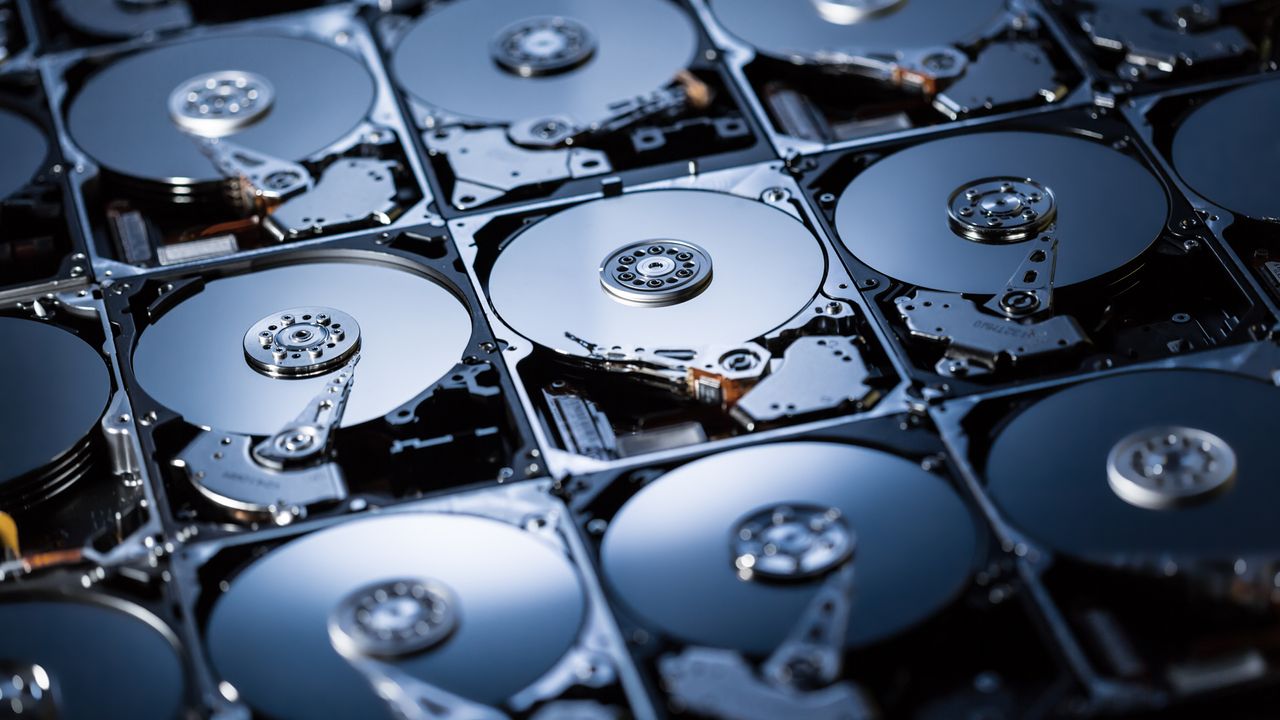
The global storage industry is currently undergoing a fundamental structural transformation, as Hard Disk Drives (HDDs) and Solid State Drives (SSDs) transition from interchangeable hardware components into scarce strategic commodities. This volatility is driven almost exclusively by the exponential growth of AI-integrated data centers, which require massive arrays of high-capacity drives to store training datasets and manage inferencing outputs. Industry giants such as Seagate, Sandisk, and Western Digital report that the demand for storage has reached such intense levels that traditional procurement models are being discarded in favor of radical long-term strategic planning.
Enterprise customers are now proactively entering into supply agreements spanning up to five years, a duration previously unheard of in the fast-paced hardware market where technology cycles typically move much faster. This trend highlights a significant shift from ‘Just-in-Time’ (JIT) procurement to a ‘Just-in-Case’ (JIC) philosophy. Major cloud service providers (CSPs) and enterprise AI firms are prioritizing guaranteed availability over price flexibility to prevent their multibillion-dollar AI expansion plans from stalling due to hardware shortages.
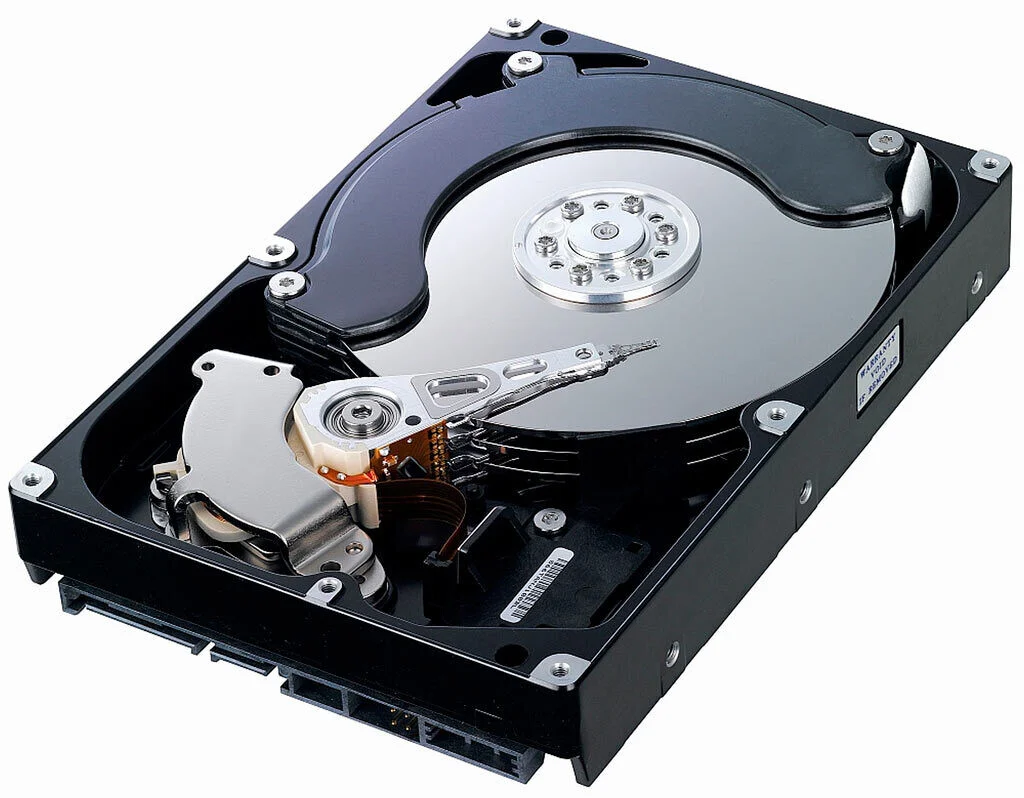
For vendors like Western Digital and Seagate, these five-year commitments provide a predictable and stable revenue stream, allowing them to allocate the capital necessary for investing in next-generation high-density recording technologies such as Heat-Assisted Magnetic Recording (HAMR). However, for the buyers, this necessitates a deep financial lock-in and a significant gamble on current technology remaining relevant over a half-decade. The shortage affects the entire storage hierarchy: high-capacity HDDs remain the backbone of cost-effective bulk data storage (cold storage), while enterprise-grade SSDs are essential for providing the high-speed throughput required for real-time AI processing.
As artificial intelligence continues to consume massive amounts of global compute resources, the storage layer has emerged as a critical bottleneck in the hardware stack. This shift toward long-term contractual locking reflects the broader ‘AI arms race,’ where control over physical infrastructure is just as vital as algorithmic sophistication. Furthermore, pricing models are being reshaped; fixed-price or formula-based pricing structures within these multi-year contracts are replacing the volatile spot-market pricing that characterized previous cycles.
This provides financial predictability for both parties but also creates a high barrier to entry for smaller firms that lack the capital to commit to such long-term agreements. As the supply chain reconfigures itself around these massive AI data centers, the storage market is likely to remain constrained, establishing long-term supply agreements as the new industry standard for enterprise-level operations.