🔍 Executive Summary
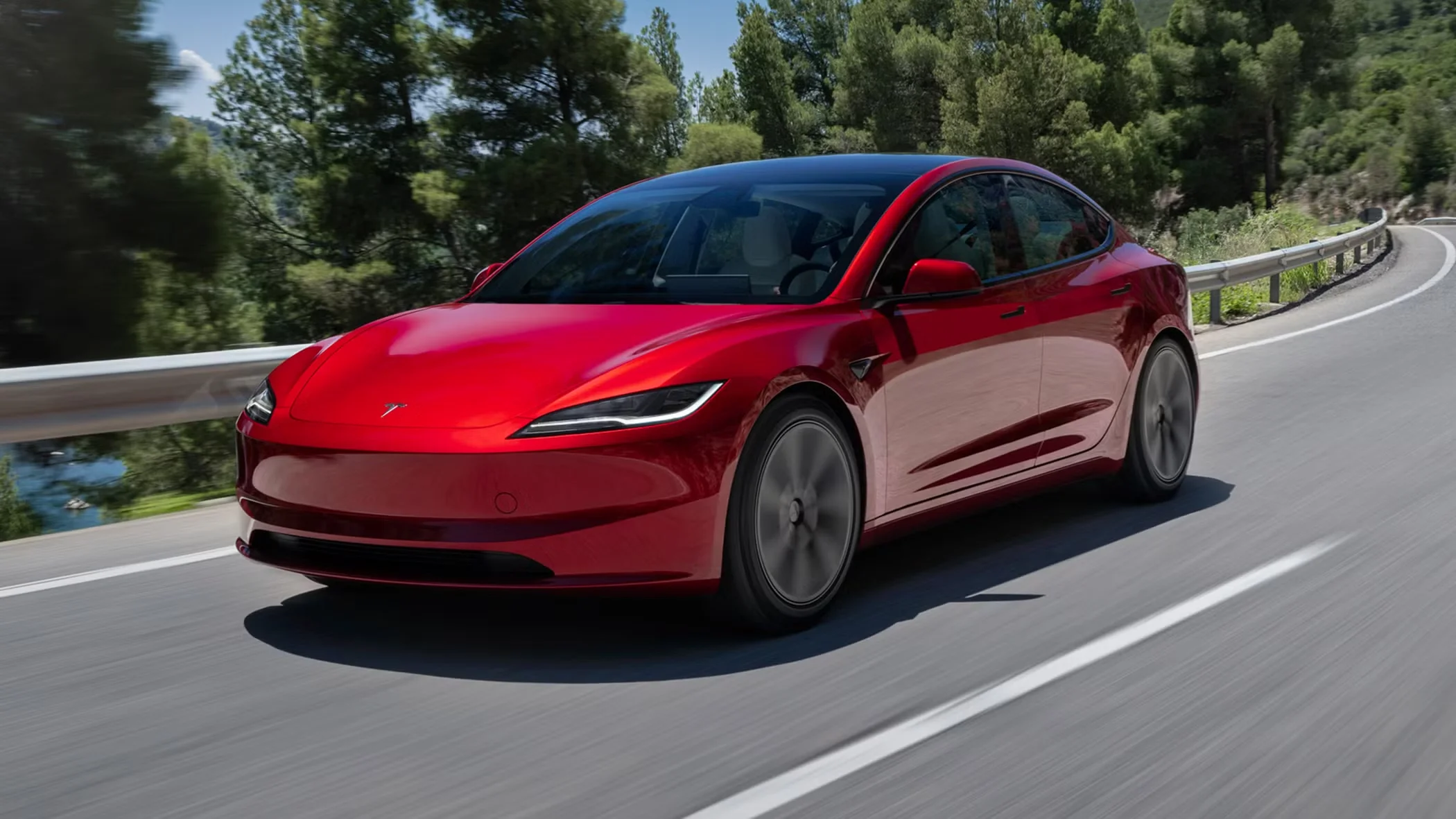
- In a potential breakthrough for Tesla, the Dutch road authority (RDW) plans to influence other EU regulators to approve the controversial FSD system, creating a possible regulatory domino effect.
Strategic Deep-Dive
In a development that could fundamentally shift the regulatory landscape for autonomous driving in Europe, the Dutch road authority, known as RDW, has emerged as a proactive advocate for Tesla’s Full Self-Driving (FSD) technology. According to reports from Ars Technica, the RDW plans to officially ask its counterparts in other EU member states to consider and approve the driver-assist system. This move represents a potential break in the wall of skepticism that has historically characterized European regulators’ attitudes toward Tesla’s aggressive automation goals.
The significance of this ‘Dutch pivot’ cannot be overstated, as the RDW holds a reputation for technical rigor and forward-thinking policy within the continent.
This development is critical because of the collaborative nature of the European Union’s regulatory ecosystem. Often, the approval or positive assessment of a technology by a prominent national authority like the RDW can serve as a catalyst, encouraging other member states to follow suit. By taking the lead and actively lobbying for FSD, the Netherlands is essentially betting on a ‘regulatory domino effect.’ In the complex web of EU law, specifically under the Whole Vehicle Type Approval (WVTA) system, one member state’s lead can significantly lower the friction for others to grant market access.
If the RDW can successfully convince other skeptical EU national authorities—those mentioned in recent investigative reports as having ‘sustained skepticism’—of the safety and viability of FSD, it would pave the way for a broader rollout that has so far eluded Elon Musk.
For Tesla, the support of the Dutch road authority is a vital strategic asset in what is being described as Musk’s ‘Europe gamble.’ While other reports highlight deep-seated concerns from various national bodies regarding safety claims, the RDW’s willingness to act as a diplomatic bridge suggests a fractured consensus among European regulators. This fracture provides Tesla with an essential entry point. The RDW’s role as a respected technical authority means its endorsement carries more weight than mere corporate lobbying.
Analyzing why the Dutch approval is a critical first step reveals that in the European bloc, the first nation to greenlight a technology often dictates the technical standards for the rest. Musk is effectively gambling that the RDW’s technical influence will override the broader block’s bureaucratic caution, making the Netherlands the essential bridgehead for Tesla’s European AI ambitions. However, the success of this strategy remains dependent on whether the RDW can produce empirical evidence that addresses the specific safety doubts held by German or French regulators.
If they succeed, it could be the most significant regulatory win in Tesla’s history; if they fail, the ‘domino effect’ may work in reverse, hardening the opposition against automated systems in the EU for years to come.