🔍 Executive Summary
- Bose has integrated Amazon’s enhanced 'Alexa+' AI into its Lifestyle Collection, marking a significant milestone as the first third-party hardware to adopt this advanced voice-control software for complex home theater environments.
Strategic Deep-Dive
The integration of Amazon’s ‘Alexa+’ into the Bose Lifestyle Collection represents a pivotal moment in the evolution of the smart home ecosystem. This development marks the first instance where Amazon has licensed its high-level Alexa+ software—previously reserved for first-party Echo devices—to a third-party hardware manufacturer. This movement signals a shift towards a hardware-agnostic platform strategy for Amazon, while simultaneously elevating Bose’s status in the computational audio sector.
Strategic Synergy: Hardware Meets Advanced AI
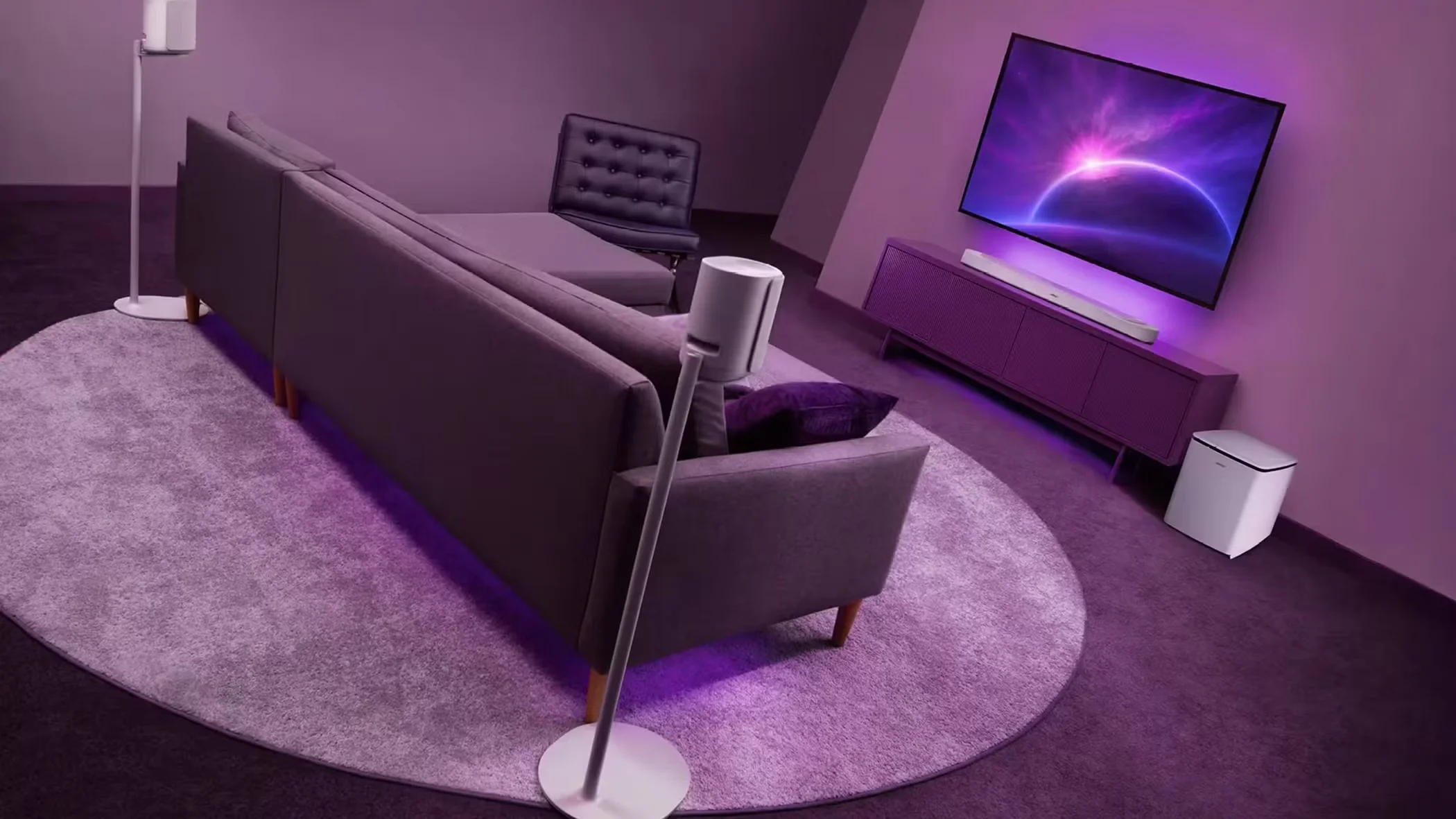
At its core, this partnership highlights the growing necessity for deep hardware-software synergy in the premium consumer electronics market. Bose, renowned for its acoustic engineering, provides the high-fidelity hardware, while Alexa+ delivers the computational intelligence required to handle ’trickier’ voice commands. In a home theater context, this means the system can process complex, multi-layered requests that standard voice assistants often struggle with.
For example, a user can command the system to “dim the lights and switch the Lifestyle system to night-mode while enhancing dialogue clarity,” and the Alexa+ engine, interfaced with Bose’s proprietary Digital Signal Processing (DSP), executes this flawlessly.
Technical Implementation and Voice Isolation
One of the most significant technical hurdles in premium audio is maintaining voice recognition accuracy during high-volume playback. Bose has addressed this by implementing advanced noise-rejecting microphone arrays that work in tandem with the Alexa+ logic. By leveraging Bose’s ADAPTiQ calibration data, the AI understands the acoustic signature of the room, allowing for superior voice isolation even amidst the 5.1 or 7.1 surround sound output of the Lifestyle Collection.
This level of integration ensures that the ‘intelligence’ of the speaker is never compromised by its primary function: delivering powerful audio.
Competitive Landscape and Ecosystem Strategy
From a strategic standpoint, this move signals a major shift in Amazon’s market approach. By allowing Alexa+ to live within the Bose Lifestyle Collection, Amazon is prioritizing software ubiquity over hardware exclusivity. This strategy aims to embed Amazon’s AI services into the high-end luxury market, a segment that traditional Echo devices typically do not occupy.
For Amazon, the goal is to ensure that Alexa+ becomes the standard interface for premium domestic environments, regardless of who manufactures the physical speakers.
For Bose, the adoption of Alexa+ serves as a powerful differentiator against rivals like Sonos, which maintains its own S2 ecosystem, and Apple’s HomePod, which is vertically integrated with Siri. By partnering with Amazon, Bose gains access to a world-class AI roadmap without sacrificing its focus on acoustic excellence. This collaboration sets a new benchmark for how legacy hardware companies can stay relevant in the age of generative AI and voice-first interfaces.
It suggests a future where the quality of the software partner is just as critical as the frequency response or driver material of the speaker itself. As more third-party manufacturers look to enhance their smart capabilities, the Bose-Amazon alliance will likely be viewed as the definitive blueprint for high-end hardware integration and the transition toward a more intelligent, service-oriented consumer electronics industry.