🔍 Executive Summary
- Apple is reportedly in advanced discussions with Intel and Samsung to diversify its semiconductor manufacturing beyond TSMC. This strategic realignment aims to bolster supply chain resilience and leverage competing cutting-edge nodes, potentially disrupting the long-standing performance balance between Mac and Windows PC ecosystems.
Strategic Deep-Dive
The global semiconductor industry is entering a period of historic transformation as Apple, the most significant client in the fabless sector, explores manufacturing partnerships with Intel and Samsung. For years, TSMC has maintained an exclusive relationship with Apple, providing the foundational silicon that allowed the M-series and A-series chips to dominate in per-watt performance. However, the current landscape of 2026 suggests that the single-source model is no longer tenable due to escalating geopolitical tensions and the aggressive pricing power exerted by TSMC.
By engaging Intel and Samsung, Apple is strategically fostering a three-way competition to regain leverage over production costs and innovation cycles.
The technical stakes are immense. Samsung is pitching its refined Gate-All-Around (GAA) transistor architecture, which offers superior electrostatic control and reduced leakage compared to traditional FinFET designs. Simultaneously, Intel is betting its future on the 18A node, featuring the revolutionary RibbonFET architecture and PowerVia backside power delivery.
PowerVia, in particular, is a game-changer that relocates power wiring to the back of the wafer, solving interconnect bottlenecks that have plagued leading-edge chips. For Apple, having access to both GAA and PowerVia architectures allows for a diversified product roadmap where different chips can be optimized for either ultra-mobile efficiency or high-performance desktop computing.
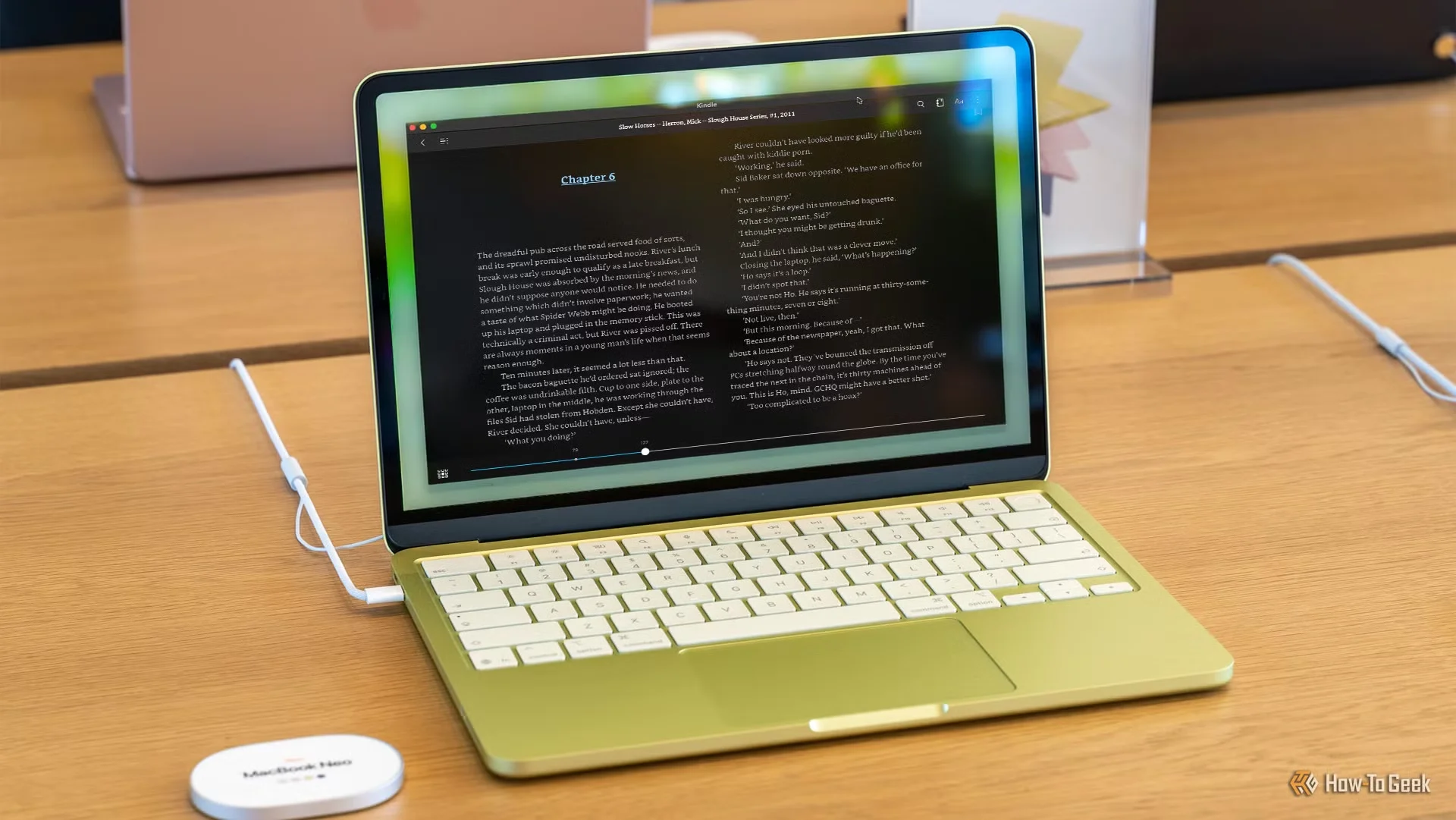
However, the economic ripple effects extend far beyond Apple’s balance sheet. Intel’s transition into a world-class foundry via its ‘IDM 2.0’ strategy creates a massive ‘capacity displacement’ risk for the broader PC market. If Intel allocates a significant portion of its sub-2nm capacity to Apple’s high-margin orders, traditional Windows-based OEMs like Dell, HP, and ASUS may find themselves starved of the latest silicon.
This could result in a stagnant Windows PC market where performance gains are incremental, while Apple continues to leapfrog the competition. Furthermore, this move signals a pivot in Intel’s internal culture; for the first time, Intel may prioritize external foundry clients over its own in-house processor divisions to ensure the financial viability of its massive fab investments.
In summary, Apple’s foundry diversification is a dual-edged sword. While it provides Apple with unprecedented supply chain security and technical variety, it introduces a period of instability for the Windows ecosystem. The ‘Wintel’ era, defined by the synergy of Windows software and Intel hardware, is being replaced by a fragmented landscape where manufacturing capacity is the ultimate currency.
As Intel and Samsung race to prove their yields to Apple, the industry will witness an accelerated R&D cycle that could push semiconductor physics to its absolute limits, fundamentally altering how consumer hardware is designed and sold for the next decade.