🔍 Executive Summary
- AMD CEO Lisa Su has warned of a significant 20% drop in gaming revenue for the latter half of 2026, citing an escalating 'memory crunch' and rising component costs that are squeezing margins across the gaming hardware spectrum.
Strategic Deep-Dive
The semiconductor industry is currently navigating a period of profound volatility, and AMD’s latest financial forecast serves as a stark reminder of the challenges ahead. CEO Lisa Su has issued a cautionary guidance for the second half of 2026, projecting a revenue decline of more than 20% within the company’s gaming division. This downturn is not due to a lack of demand or technical innovation, but rather a direct result of the intensifying ‘memory crunch’ and rising costs for essential electronic components.
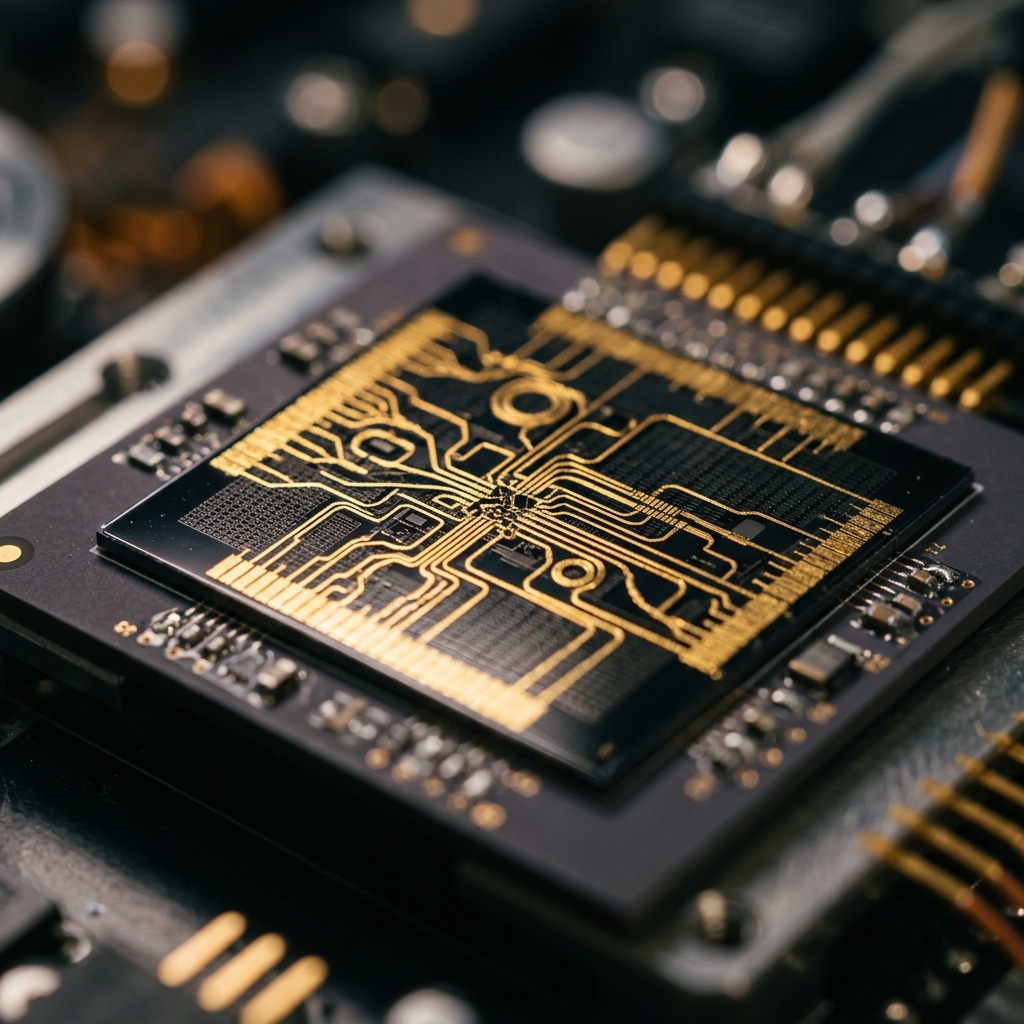
As the global supply chain prioritizes the production of high-margin AI accelerators and enterprise-grade hardware, the consumer gaming sector is being pushed to the periphery, leading to a shortage of standard DRAM and GDDR modules that are critical for graphics cards and gaming consoles.
The strategic implications of this 20% slump are significant for the broader tech ecosystem. For years, the gaming sector has been a reliable engine of growth for AMD, but the current macroeconomic environment is creating a pincer movement on profit margins. On one side, the cost of materials is escalating as memory manufacturers like Micron, Samsung, and SK Hynix pivot their production lines to High Bandwidth Memory (HBM) to satisfy the NVIDIA-led AI boom.
On the other side, price sensitivity in the consumer market limits AMD’s ability to pass these increased costs onto the end-user. Lisa Su’s commentary highlights a systemic imbalance where the success of the AI infrastructure sector is effectively cannibalizing the resources of the gaming and client-PC segments. This resource displacement is a major concern for data architecture strategists who monitor the long-term health of the silicon supply chain.
Furthermore, the anticipated 20% revenue drop reflects the vulnerability of the current JIT (Just-In-Time) manufacturing model when faced with global component shortages. AMD’s reliance on third-party memory suppliers means it has limited control over its cost of goods sold (COGS). During the analyst session, Su indicated that the company is bracing for a difficult H2 2026, as the high cost of components is expected to persist through the end of the fiscal year.
This forecast has sent ripples through the hardware market, as industry insiders worry that the era of affordable, high-performance gaming hardware may be coming to an end. To mitigate these headwinds, AMD may be forced to streamline its product stack, focusing on higher-end enthusiast hardware where margins are more resilient to component price hikes. However, the overall message is clear: the semiconductor market is undergoing a fundamental realignment, and the gaming industry is currently standing in the crosshairs of a global supply chain transformation that favors artificial intelligence at the expense of traditional consumer entertainment.
How AMD manages this 20% contraction while maintaining its R&D momentum will be a critical storyline to follow in the coming months.