🔍 Executive Summary
- In a record-breaking move for digital infrastructure, Meta is partnering with Wall Street titans to secure $13 billion in project finance for its El Paso AI data center.
Strategic Deep-Dive
The financial scaffolding supporting the global AI race has reached a historic apex with Meta Platforms’ latest move to secure approximately $13 billion for a single data center site in El Paso, Texas. According to reports from Bloomberg, Meta is working closely with financial titans Morgan Stanley and JPMorgan Chase to structure this massive financing package. If finalized at this scale, the project would represent one of the largest single-site digital infrastructure financings in history, signaling a ’new ceiling’ for how much capital can be concentrated into a localized node of the AI grid.
This transition from traditional corporate debt to complex project finance underscores the maturing of AI as a standalone industrial sector.
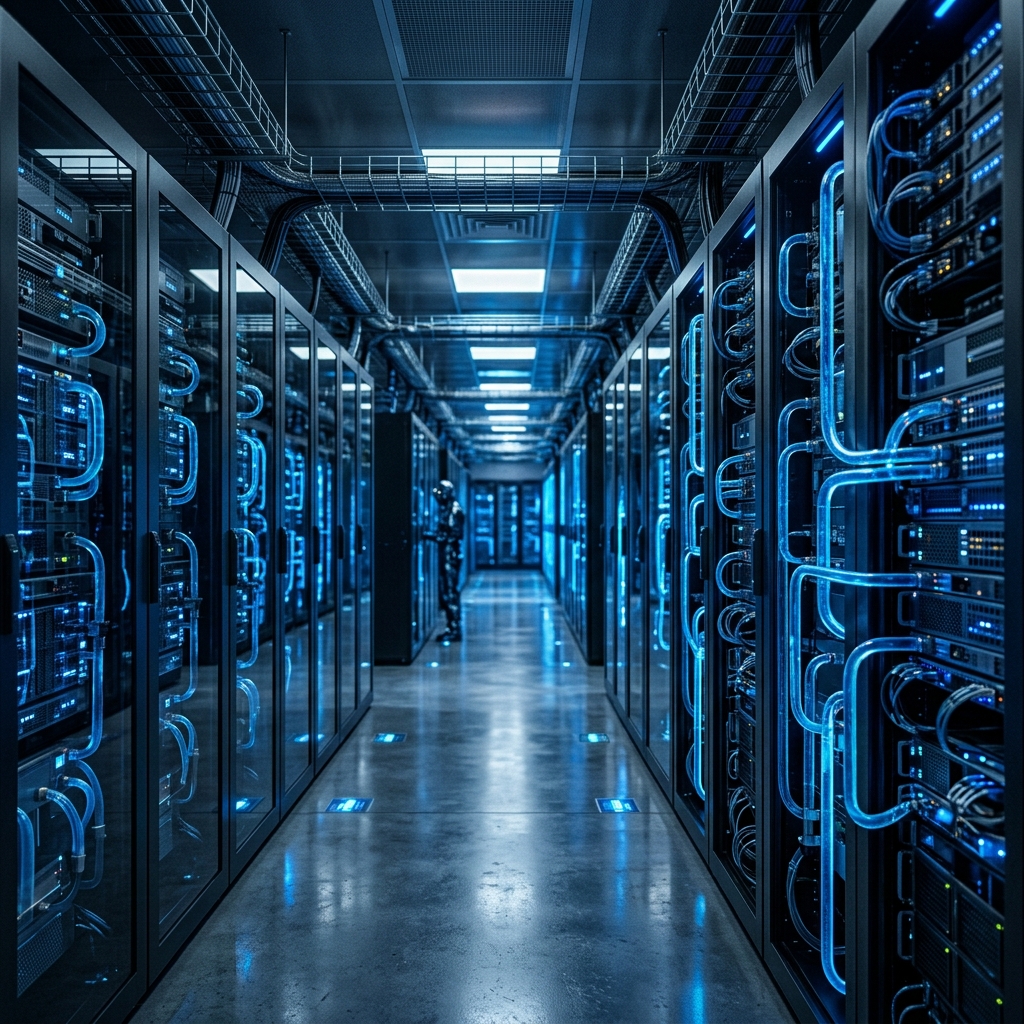
This unprecedented investment reflects the escalating capital intensity required to maintain dominance in the artificial intelligence sector. As AI models become more complex, the physical environments that house the necessary GPUs and cooling systems must expand accordingly, leading to a surge in specialized financing for digital infrastructure. The involvement of Morgan Stanley and JPMorgan Chase is not coincidental; these major investment banks provide the essential liquidity and risk-management structures that allow tech giants like Meta to bridge the gap between their ambitious AI roadmaps and the daunting physical reality of building massive, power-hungry facilities.
Unlike general-purpose corporate loans, this $13 billion package is likely structured around the specific asset in El Paso, treating the data center as a vital infrastructure utility—much like a power plant or a major port.
Furthermore, the El Paso project serves as a critical barometer for the broader tech market’s commitment to AI. Investing $13 billion into a single geographic point carries significant financial risk, particularly if the immediate ROI from generative AI services fails to meet expectations. However, for Meta, infrastructure is the ultimate competitive moat.
This financing package isn’t just about constructing a building; it’s about securing the massive computational real estate needed for the next decade of large-language model development and metaverse integration. For the financial markets, this deal sets a new benchmark, potentially encouraging other tech leaders like Google or Amazon to seek similarly sized financing to keep pace. The move also highlights the potential for a market bubble if such heavy capital concentration does not yield proportionate productivity gains.
Nevertheless, the sheer scale of this financing suggests that the ‘AI race’ is increasingly becoming a battle of balance sheets and industrial-scale infrastructure deployment. The $13bn ceiling today may well become the floor for tomorrow’s hyper-scale projects as the thirst for compute power remains unquenched.