🔍 Executive Summary
- AMD is fundamentally restructuring its enterprise silicon strategy by confirming the development of the Zen 7 architecture and a significant broadening of the EPYC server CPU lineup. This shift emphasizes specialized, workload-specific processors designed to outperform generic silicon in complex AI and hyperscale cloud environments.
Strategic Deep-Dive
The Sunset of the Generic Server: AMD’s New Architectural Manifesto
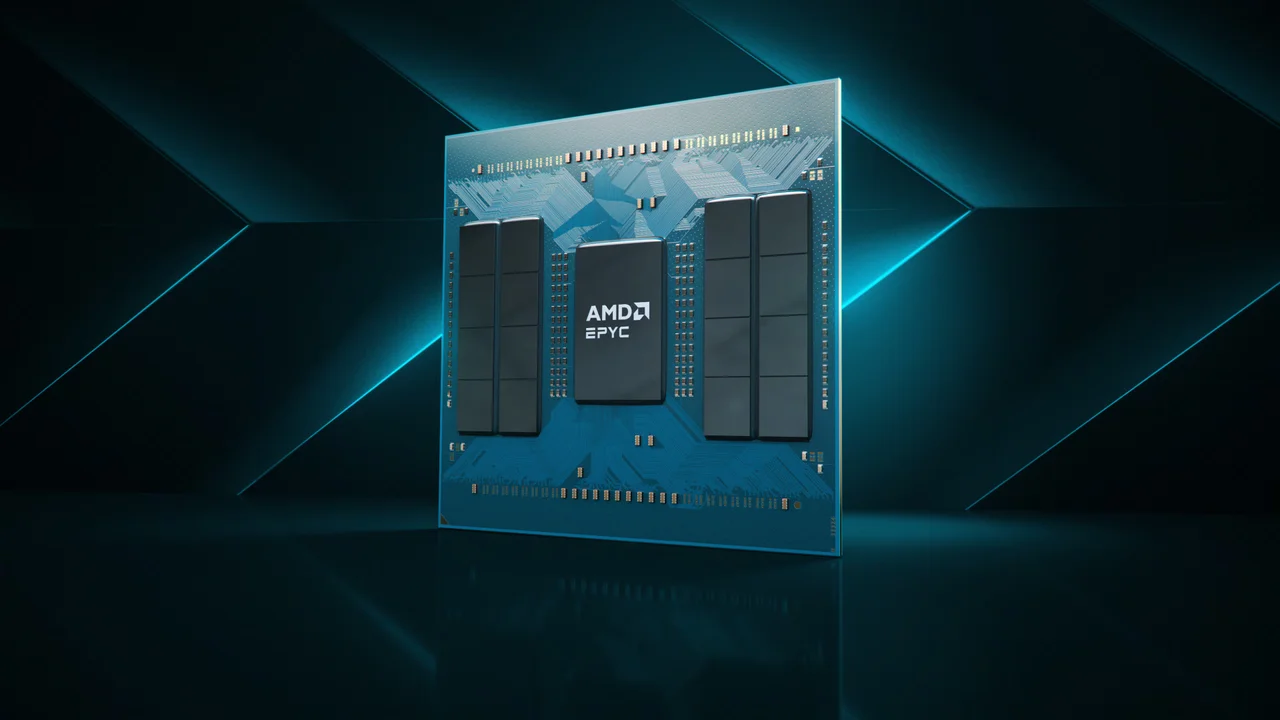
As of May 2026, the semiconductor industry is at a critical inflection point, and AMD is positioning itself as the primary architect of the next era. The company has officially announced a major expansion of its EPYC CPU portfolio, anchored by the development of the highly anticipated Zen 7 architecture. This move signals a definitive departure from the traditional “one-size-fits-all” approach to server hardware.
Instead, AMD is embracing a strategy of workload-specific specialization, recognizing that the diverse demands of the modern data center—ranging from high-density cloud computing to massive generative AI inference—cannot be met by a single, monolithic design.
Benchmarking Zen 7 Against Global Competitors
While Intel has been struggling to regain its footing with its latest Xeon offerings, such as Granite Rapids, AMD is doubling down on its modular design philosophy. The Zen 7 architecture is expected to introduce unprecedented levels of granularity in how CPU cores, cache hierarchies, and I/O subsystems are configured. This is not just about increasing clock speeds or core counts; it is about providing a tailored silicon fabric that can be optimized for specific enterprise tasks.
For instance, we expect to see Zen 7 variants specifically engineered for throughput-heavy cloud native applications, while other SKUs will feature enhanced matrix multiplication capabilities to support AI-centric workloads. By providing these specialized tools, AMD is effectively creating a defensive moat against the growing trend of hyperscalers—like Amazon, Google, and Microsoft—designing their own custom ARM-based ASICs. If AMD can provide the same level of optimization within the robust and compatible x86 ecosystem, it removes the incentive for many enterprises to bear the high cost of custom silicon development.
Technical Implications for the AI Ecosystem
The pivot toward specialized EPYC processors also has massive implications for the global AI supply chain. As the industry moves toward Agentic AI—where software agents perform autonomous actions—the underlying hardware must support rapid, low-latency decision-making processes. The Zen 7 architecture is poised to address this by integrating more sophisticated on-die interconnects and expanded support for high-speed memory standards.
Furthermore, AMD’s strategy reflects a sophisticated understanding of total cost of ownership (TCO). In the data center world, power efficiency and workload density are the primary metrics of success. A Zen 7 processor that is fine-tuned for a specific cloud workload will consume less power and provide higher performance than a generic alternative, directly impacting the bottom line of global service providers.
As we look toward the 2026-2027 rollout, the industry will be watching closely to see if Zen 7 can deliver on the promise of being the most versatile and efficient silicon platform in history. AMD isn’t just selling chips anymore; they are selling optimized infrastructure blueprints for the AI-first economy. This strategic foresight ensures that the EPYC brand remains the standard-bearer for high-performance computing in an increasingly fragmented and specialized digital world.