🔍 Executive Summary
- In a decisive move to bolster its IDM 2.0 strategy, Intel is shifting the production of its upcoming Core Series 3 processors to domestic US facilities, aiming to reduce its reliance on TSMC while securing the supply chain for the burgeoning mobile and edge computing markets.
Strategic Deep-Dive
The Strategic Reshoring of Intel Silicon
Intel Corporation is signaling a monumental shift in its operational philosophy by reintroducing domestic fabrication for its upcoming Core Series 3 processors. For a significant period, the industry had witnessed Intel outsourcing more of its critical tile manufacturing to Taiwan Semiconductor Manufacturing Co. (TSMC) to compensate for internal process delays.
However, the decision to produce the Core Series 3—a streamlined iteration of the Ultra architecture—on ‘Merica-made’ silicon marks a critical milestone in the IDM 2.0 (Integrated Device Manufacturer) strategy championed by CEO Pat Gelsinger. This move isn’t merely about national pride; it is a calculated response to the fragile state of global logistics and the intensifying geopolitical tensions surrounding the Taiwan Strait.
Technical Implications of Internal Foundry Utilization
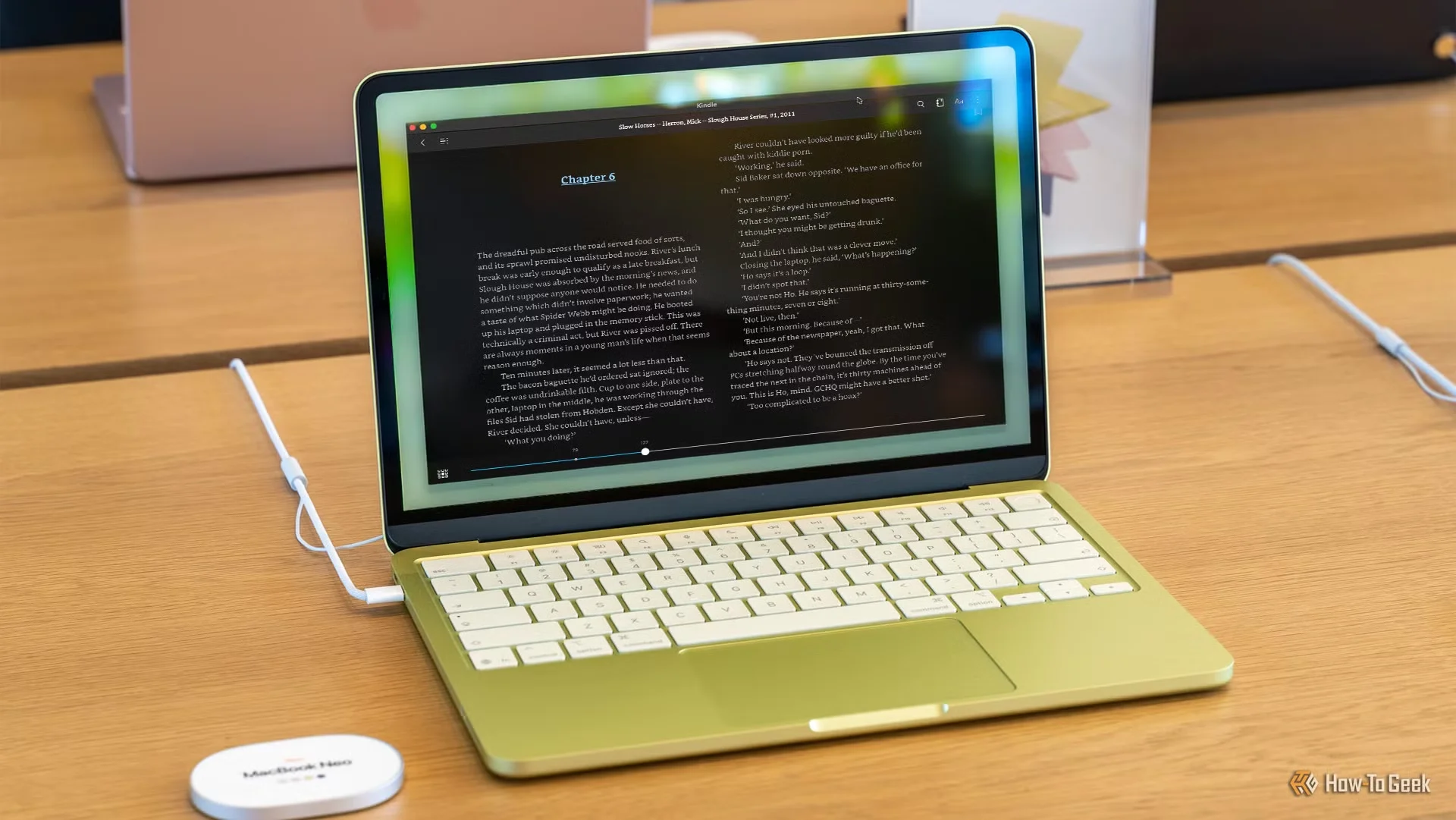
From a data architect’s perspective, the Core Series 3 represents a vital segment of the edge computing and mobile market. By bringing these chips back to internal domestic fabs, Intel is effectively stress-testing its latest process nodes on high-volume consumer silicon. The Core Series 3 is designed for low-power envelopes, making it ideal for the next generation of laptops and localized edge inference boxes.
By utilizing internal lines, Intel can achieve tighter integration between design and manufacturing, potentially reducing the latency often found in the cross-continental hand-off between US design teams and Asian foundries. Furthermore, this transition allows Intel to showcase its yield improvements. If Intel can successfully scale the Core Series 3 domestically, it proves to shareholders and potential foundry customers that their internal capacity is ready to handle complex architectures without the ‘crutch’ of external partners.
Impact on Global Foundry Dynamics and TCO
This shift significantly alters the competitive landscape of the global foundry market. For years, TSMC has enjoyed a near-monopoly on high-end logic production. Intel’s pivot back to domestic lines serves as a direct challenge to this status quo.
For enterprise customers, this translates to improved supply chain resilience. A domestic supply chain minimizes the risk of maritime blockades or regional conflicts disrupting the flow of essential compute hardware.
Moreover, the Total Cost of Ownership (TCO) for hardware partners could see stabilization as Intel reduces the overhead associated with shipping wafers and dies across the Pacific. While TSMC remains a partner for certain specialized tiles, the ‘USA-made’ label on the Core Series 3 core compute die is a technical statement of sovereignty. As Intel continues to refine its PowerVia and RibbonFET technologies, this domestic push provides the necessary runway to eventually migrate its flagship Ultra and Xeon lines back to US soil, potentially re-establishing the United States as the premier hub for semiconductor manufacturing in the late 2020s.
This is more than a product launch; it is an architectural re-alignment aimed at long-term technological dominance.