🔍 Executive Summary
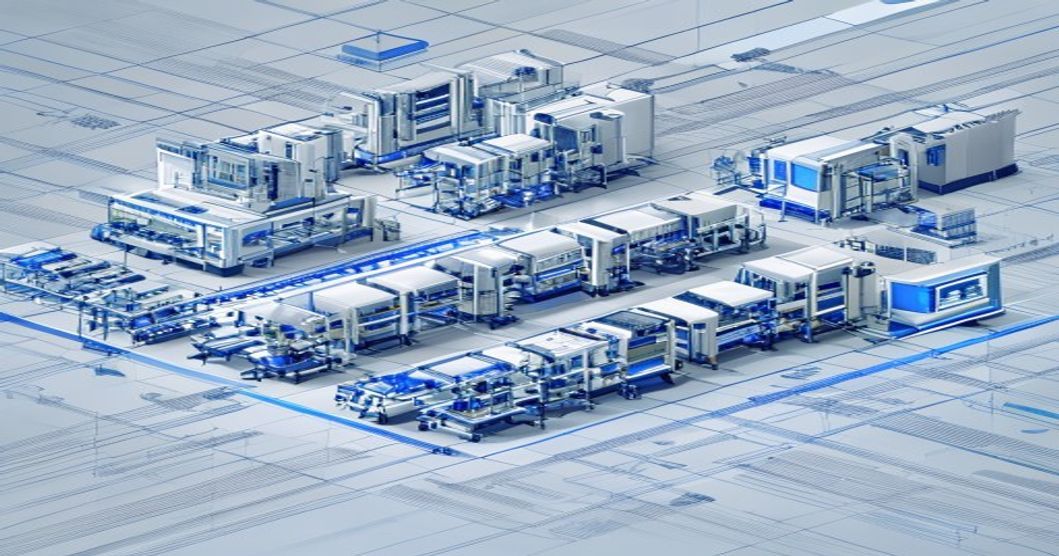
- Elon Musk is staking Tesla's AI roadmap on Intel’s developmental 14A process node to manufacture custom silicon for its massive Terafab infrastructure project.
Strategic Deep-Dive
The Ambition for Vertical Silicon Sovereignty
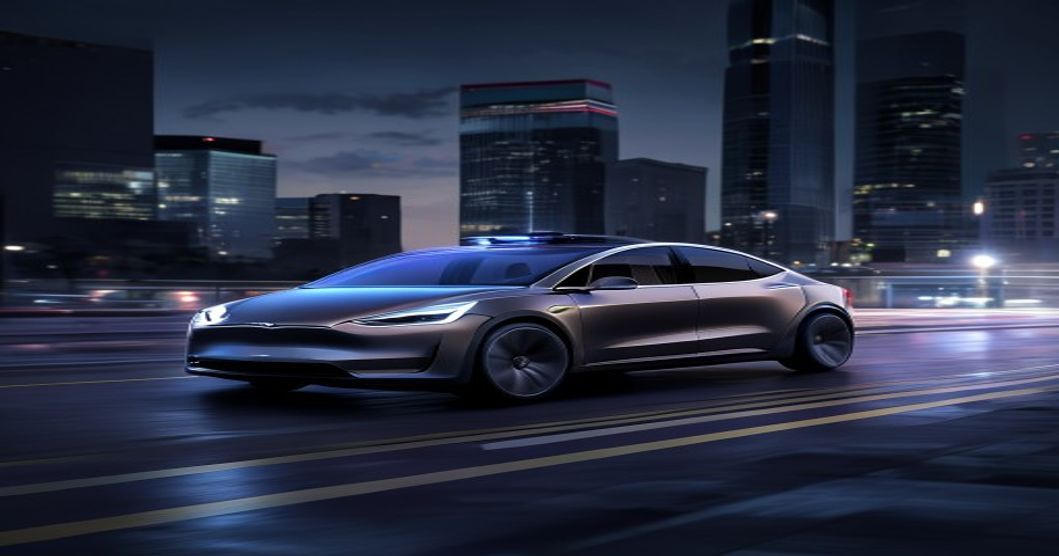
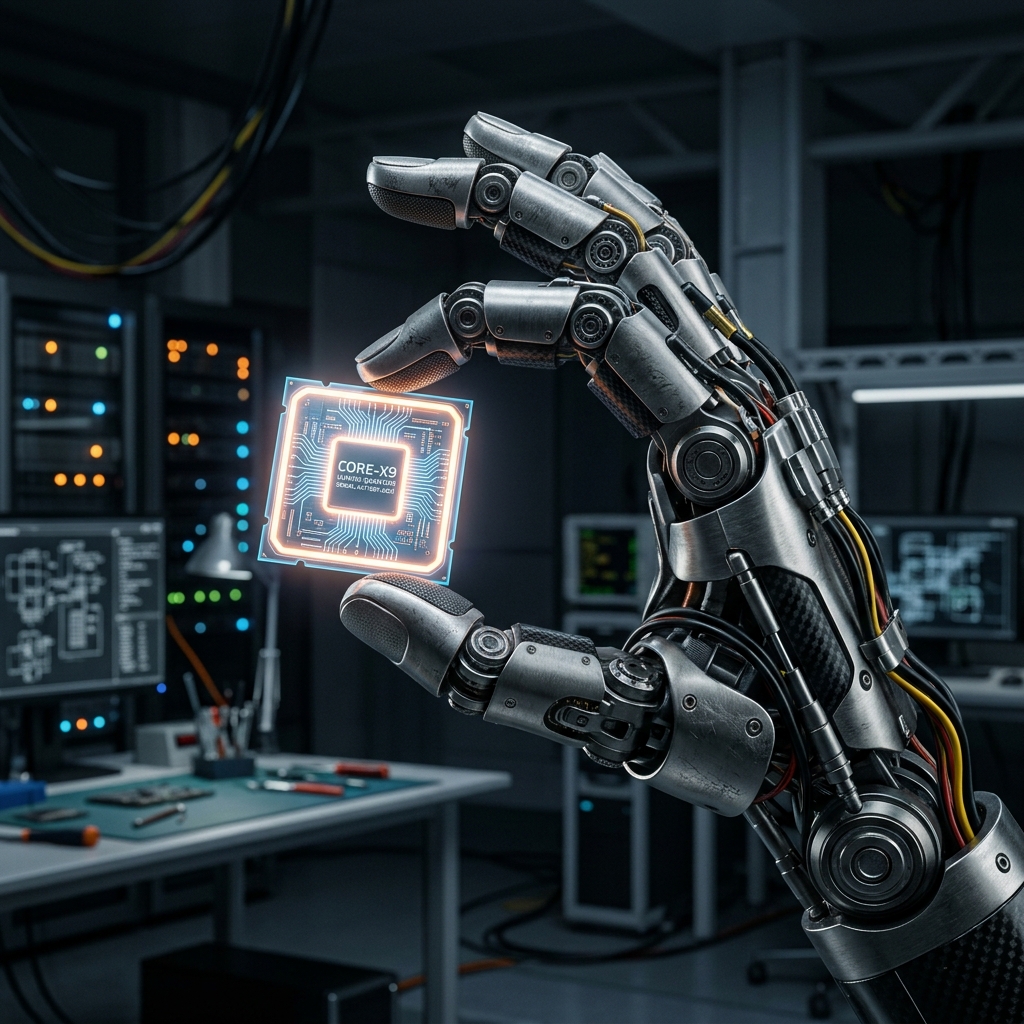
Tesla’s AI strategy is increasingly defined by a radical pursuit of vertical integration, moving beyond software to the very atoms of the silicon it runs on. Elon Musk’s vision for the ‘Terafab’—a dedicated ecosystem for manufacturing the massive compute clusters required for autonomous driving and neural network training—demands silicon that is optimized for specific Tesla-defined workloads. Unlike competitors who rely on standard GPU architectures, Tesla is doubling down on custom-designed silicon.
This move is driven by the need for maximum performance density and power efficiency, which Musk believes can only be achieved through proprietary hardware. By designing its own chips, Tesla aims to control its destiny, free from the allocation cycles and generic architectural constraints of third-party vendors.
Betting the Roadmap on Intel’s 14A Node
The most controversial element of Tesla’s plan is its reliance on Intel’s unproven 14A process node. While industry leaders like Apple and Nvidia typically wait for nodes to mature at established foundries like TSMC, Tesla is choosing to be a pioneer on Intel’s bleeding-edge, still-in-development process. The 14A node is intended to be Intel’s return to semiconductor leadership, utilizing High-NA EUV lithography to achieve unprecedented transistor density.
However, because the node is not yet finished, Tesla is essentially tethering its AI future to Intel’s internal engineering milestones. If Intel encounters yield volatility or technical delays—common occurrences in the migration to new process nodes—Tesla’s entire Terafab deployment and subsequent AI training schedules could be pushed back by months or even years. This is a classic ‘high-risk, high-reward’ scenario that has become the hallmark of Musk’s technical leadership.
The Strategic Rationale Behind the Gamble
Why would Tesla take such a significant risk? The rationale likely lies in a combination of geopolitical risk mitigation and competitive positioning. By partnering with Intel, a US-based foundry, Tesla aligns itself with the ‘onshoring’ trend of American manufacturing, potentially benefiting from domestic subsidies and more secure supply lines.
Furthermore, being a primary customer for a new node like 14A allows Tesla to influence the design and optimization of the process specifically for its custom silicon needs. If the 14A node delivers on its promises, Tesla will possess a hardware moat that competitors, stuck on older or more generic nodes, will find impossible to bridge. This technical edge is seen as critical for achieving the level of AI sophistication required for true Level 5 autonomy and beyond.
Conclusion: A Defining Moment for Tesla and Intel
This partnership is as much a test for Intel as it is for Tesla. For Intel, successfully delivering 14A silicon to Tesla would validate its Foundry 2.0 strategy and prove it can compete at the leading edge. For Tesla, it is a test of whether its vertical integration strategy can survive the immense complexity of modern semiconductor fabrication.
The stakes could not be higher: the future of Tesla’s self-driving dreams and its status as an AI powerhouse are now intertwined with Intel’s ability to finish what it started. If successful, the Terafab will be powered by some of the most advanced silicon on the planet, giving Musk the raw compute power needed to fulfill his most ambitious AI promises. If it fails, the setback could be a historical cautionary tale about the dangers of technical overreach in an unfinished ecosystem.