🔍 Executive Summary
- To sustain the massive energy requirements of AI chip manufacturing, TSMC is aggressively adopting offshore wind power to mitigate Taiwan’s energy crunch and maintain record-breaking production levels for next-gen nodes.
Strategic Deep-Dive
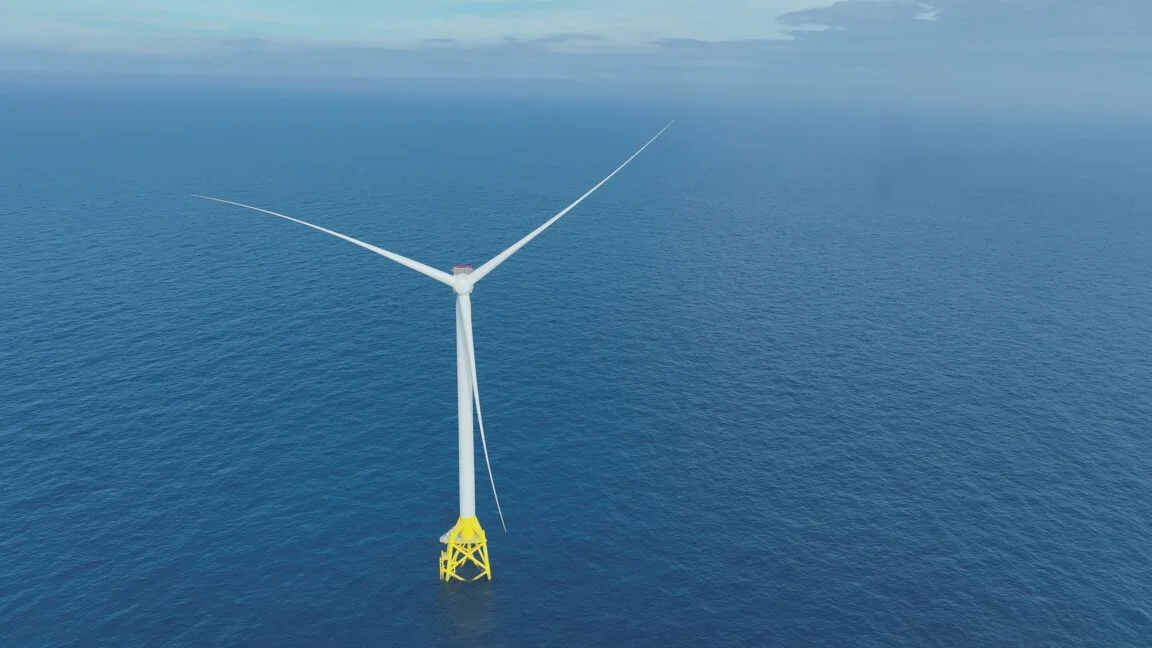
As the demand for high-performance AI chips reaches unprecedented heights, TSMC is facing a critical bottleneck: the immense energy consumption required for advanced semiconductor manufacturing. In response to this challenge and the broader energy crunch in Taiwan, the world’s leading foundry is turning to renewable energy sources, specifically offshore wind power. TSMC has increasingly backed projects like the Hai Long offshore wind farm to ensure a stable and sustainable power supply for its energy-intensive fabrication plants.
The technical reality of TSMC’s 2nm and 3nm roadmap is that these advanced nodes consume exponentially more power than previous generations. The reliance on Extreme Ultraviolet (EUV) lithography systems, essential for the density required by modern AI silicon, has pushed TSMC’s energy footprint to industrial scales that challenge national grids. Taiwan’s power infrastructure is currently under severe strain, and any instability in the grid represents a multi-billion dollar risk to the global AI supply chain.
By investing in wind power, TSMC is effectively building its own energy buffer. This move highlights a growing trend where technological leadership is no longer just about transistor density, but about securing the energy infrastructure necessary to keep those transistors firing. For TSMC, offshore wind is not a PR move; it is a fundamental requirement for the physical operation of the world’s most advanced computing hardware.