🔍 Executive Summary
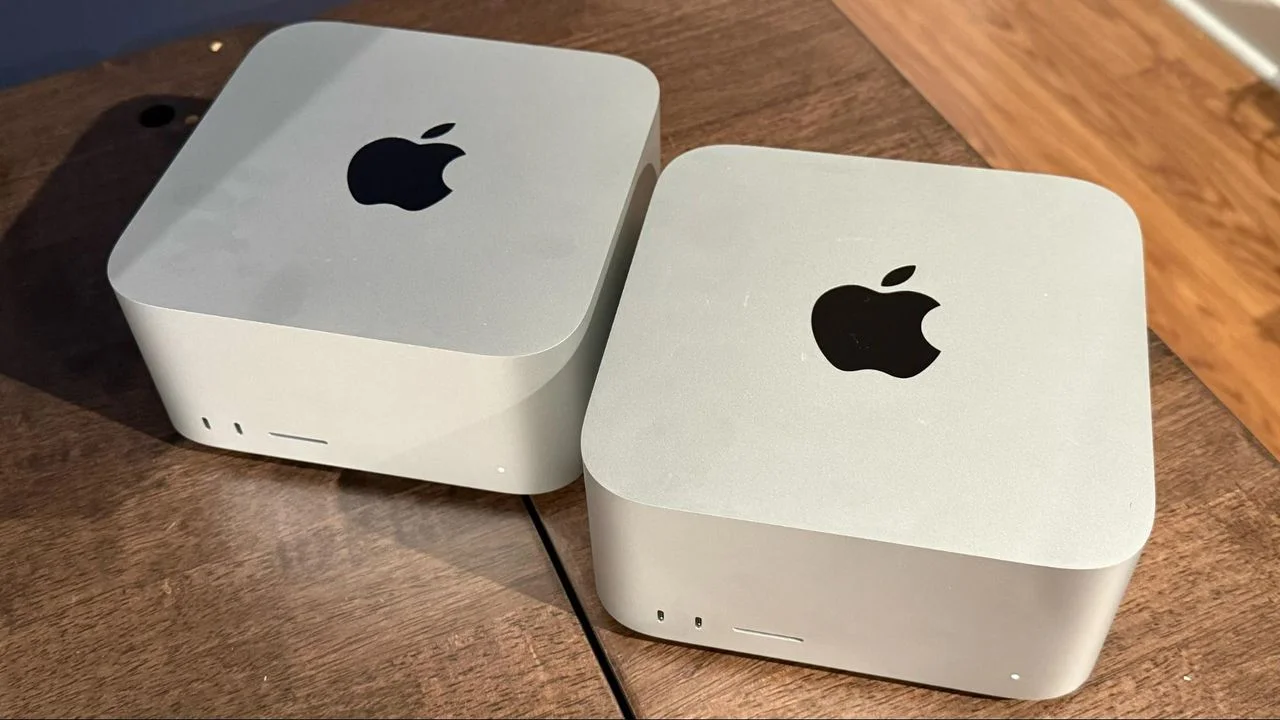
- Apple has quietly axed the 128GB Unified Memory configuration for the Mac Studio and Mac mini, marking a strategic retreat in its high-end desktop lineup. Following the recent removal of the 512GB tier, professional users are now capped at a maximum of 96GB of memory due to persistent supply chain constraints.
Strategic Deep-Dive
The High-End Bottleneck: Apple’s Quiet Spec Reduction
In a move that signals a troubling trend for professional hardware enthusiasts, Apple has quietly removed the 128GB Unified Memory option for its Mac Studio and Mac mini systems. As of May 6, 2026, the official Apple Store no longer lists this high-capacity configuration, effectively lowering the ceiling for its top-tier desktop systems to just 96GB. This is the second such reduction in as many months; in March, the company discontinued the ultra-premium 512GB memory tier.
This “quiet axing” of high-capacity models reveals the severe pressure that global supply chain constraints are exerting on even the world’s most valuable technology company.
The Irony of the Local AI Frenzy
The decision to cap memory at 96GB is particularly ironic given Apple’s recent marketing emphasis on “On-device AI” and local machine learning capabilities. AI workloads are notoriously memory-hungry; training or even running sophisticated local LLMs (Large Language Models) requires vast amounts of unified memory to maintain performance. By stripping away the 128GB and 512GB tiers, Apple is essentially limiting the capabilities of the very users—developers and researchers—it is trying to court.
This creates a technical paradox: while Apple’s software push is centered on the “AI frenzy,” its hardware reality is defined by a “memory crunch” that prevents the production of the necessary high-capacity configurations.
A Critique of the “Pro” Moniker Under Constraint
For the professional creative community, this move is a significant blow. A professional workstation is defined by its ability to handle edge-case workloads that consumer devices cannot. When Apple reduces the maximum available RAM, it narrows the gap between its “Pro” products and its standard consumer line.
This suggests that the SKU consolidation we are seeing is a defensive measure to manage the scarcity of high-performance memory modules, which are currently being diverted in massive quantities to the enterprise AI server market.
The technical implication is clear: the “AI Gold Rush” is creating a bifurcation in the hardware market where individual professionals are being outbid for components by massive data center operators. Apple’s inability to maintain high-memory SKUs suggests that the cost or lead times for these components have become untenable for consumer-facing products. As long as the memory supply remains prioritized for cloud giants, Apple’s high-end users will have to optimize their workflows for increasingly limited hardware.
This situation raises a fundamental question: Can Apple continue to justify its premium “Pro” branding when the hardware itself is being held hostage by global supply chain imbalances? For now, the professional user is being asked to do more with less, even as the demands of modern software continue to skyrocket.