🔍 Executive Summary
- SpaceX has expanded the scope of its 'Terafab' project in rural Texas, with new filings indicating an immediate $55 billion commitment and a long-term investment potential of $119 billion. This unprecedented capital expenditure signals SpaceX's intent to become a dominant force in the global semiconductor foundry market.
Strategic Deep-Dive
The Terafab Escalation: A New Titan in Texas
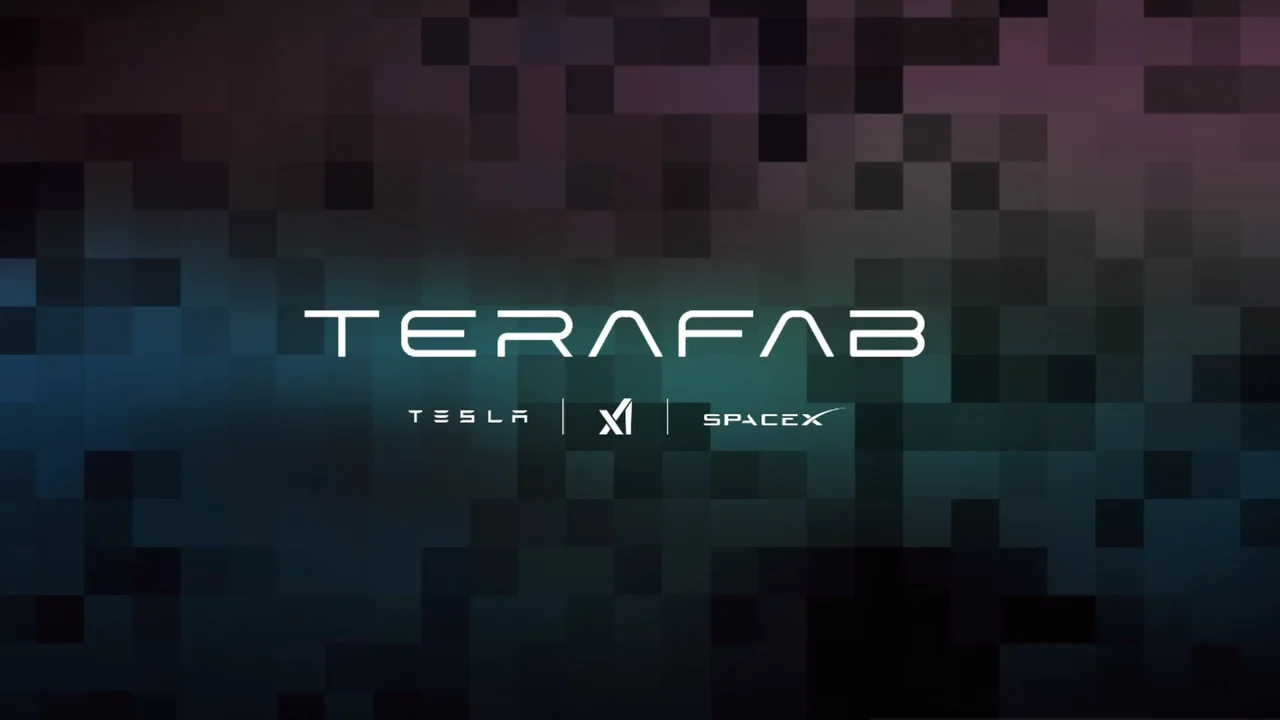
In a move that has recalibrated the financial expectations of the entire tech industry, SpaceX has filed for a massive semiconductor fabrication plant in rural Texas. The project, codenamed Terafab, is no longer the $20 billion initiative Elon Musk teased back in March. According to the latest regulatory filings as of May 6, 2026, the company has committed to an initial $55 billion phase, with a total roadmap that envisions an astronomical $119 billion in capital expenditure.
To put this in perspective, this single investment nearly matches the entire valuation of some of the world’s largest industrial conglomerates and represents a serious challenge to the dominance of traditional foundry giants like TSMC and Intel.
Beyond Internal Consumption: The Foundry Ambition
While the initial rationale for SpaceX entering the chipmaking business was thought to be supply chain self-sufficiency for Starlink and the Starship program, the $119 billion figure tells a different story. A fabrication complex of this scale is far too large for internal needs alone. Analyst consensus is shifting toward the reality that SpaceX is building a commercial foundry service.
This facility in rural Texas is likely designed to produce leading-edge nodes for external customers, specifically those in the defense, aerospace, and AI sectors who require high-performance silicon manufactured on American soil. By establishing a massive, domestic fab, SpaceX is addressing the critical need for Supply Chain Sovereignty, providing an alternative to the geographically vulnerable manufacturing hubs in East Asia.
Strategic Implications and National Interest
The Terafab project acts as a massive catalyst for the “Onshoring” of critical technology. By locating the plant in a rural Texas hub, SpaceX is creating a new center of gravity for the global semiconductor ecosystem. The facility will likely leverage the high-speed iteration cycles typical of SpaceX’s engineering culture, potentially disrupting the traditionally slow-moving fab development process.
Furthermore, this investment aligns with the strategic goals of the U.S. government to secure advanced semiconductor manufacturing capabilities.
However, the risks are equally massive. Building and operating a leading-edge fab requires a specialized workforce and extreme operational precision. SpaceX’s entry into this domain will be a test of whether a company focused on rockets and satellites can successfully navigate the complexities of lithography and chemical vapor deposition at scale.
If successful, the Terafab will not only ensure that Musk’s various enterprises have an uninterrupted supply of the world’s most advanced chips but will also position SpaceX as a critical infrastructure provider for the entire AI and robotics industry. The sheer scale of the $119 billion commitment suggests that SpaceX is playing for nothing less than total vertical integration, controlling every aspect of the technology stack from the silicon on the ground to the satellites in the stars.