🔍 Executive Summary
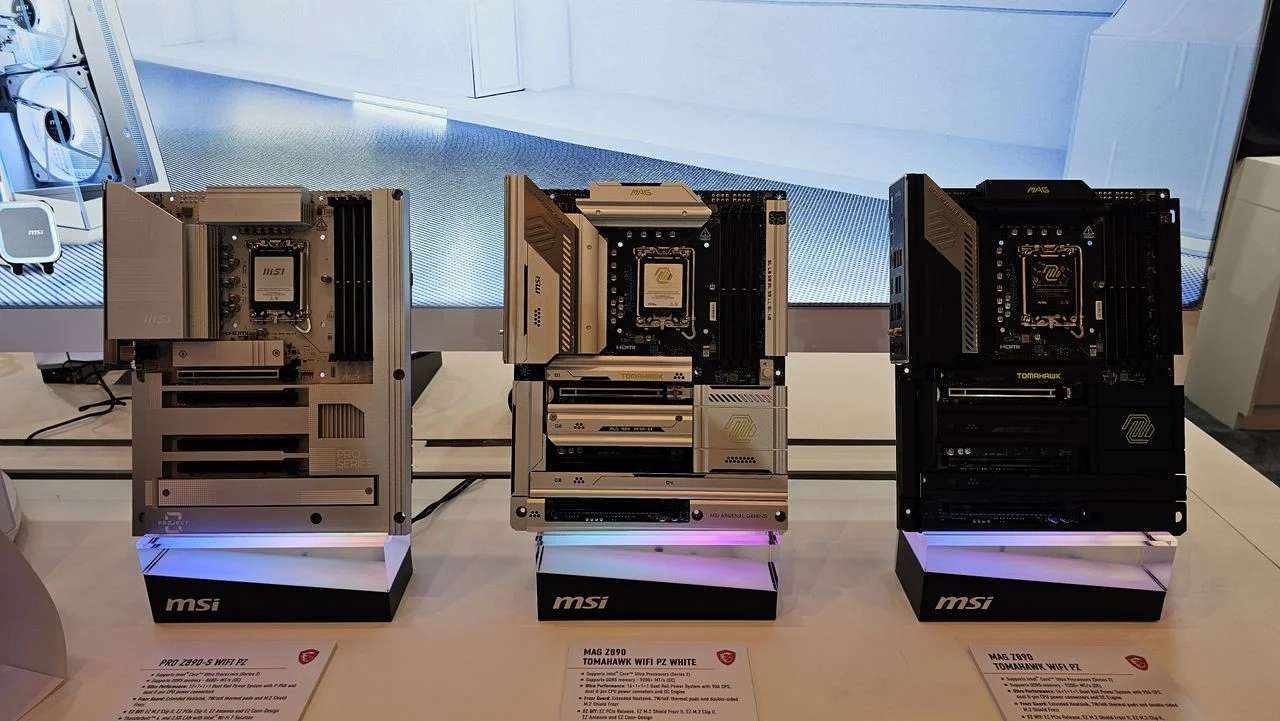
- The enthusiast PC market is facing a severe downturn, with global motherboard sales projected to collapse by over 25%. Industry giants like Asus, Gigabyte, and MSI are suffering from a strategic shift where chipmakers are prioritizing high-margin AI silicon production, effectively 'strangling' the consumer hardware supply chain and driving up costs.
Strategic Deep-Dive
The global motherboard market is in the midst of a historic contraction, with industry forecasts predicting a sales collapse of at least 28% in 2026. This downturn represents a staggering loss of approximately 11.7 million units in annual sales, a figure that threatens the stability of the entire PC hardware ecosystem. Asus, long considered the bellwether of the industry, is projected to see its shipments drop by 5 million units in 2025 alone.
Other major players including Gigabyte, MSI, and ASRock are facing similarly bleak projections as they grapple with a market environment that has fundamentally shifted away from the needs of individual consumers and gamers.
This crisis is being described by market analysts as the ‘AI Tax’—a systemic prioritization of artificial intelligence silicon at the expense of traditional consumer electronics. Leading semiconductor giants like TSMC, Nvidia, and AMD have pivotally reallocated their manufacturing capacity. Because AI accelerators like the H200 or MI350 offer profit margins that are orders of magnitude higher than standard desktop chipsets, the enthusiast PC market is being systematically ‘strangled.’ This shift has led to a chronic shortage of high-quality, affordably priced motherboard components, driving retail prices to levels that have effectively priced out the average PC builder.
The DIY enthusiast market, which once served as the R&D playground for the industry, is now being cannibalized to fuel the expansion of enterprise AI data centers.
The long-term consequences of this production pivot are severe. As motherboard sales plummet, the secondary market for peripheral components—from power supplies to cooling solutions—is also beginning to stagnate. Downstream retailers are reporting reduced foot traffic, and the vibrant PC building community is seeing a migration toward consoles or high-end pre-built laptops where supply chains are slightly more stable.
For motherboard giants, the path forward is fraught with existential risk. Many are being forced to pivot their business models toward server-grade hardware or diversify into the automotive and industrial sectors to remain profitable. If the industry continues to deprioritize consumer silicon for another 24 months, the specialized knowledge and manufacturing pipelines that sustain the PC DIY market could be permanently lost.
This is not just a temporary dip in sales; it is a structural realignment of the global hardware industry where the individual consumer is no longer the primary driver of innovation or volume.