🔍 Executive Summary
- To overcome the critical shortage of GPU capacity and physical data center space, Anthropic is pivoting toward strategic collaborations with competitors to ensure the continuity of its frontier AI model development.
Strategic Deep-Dive
The artificial intelligence industry is currently navigating a severe ‘infrastructure crunch’ that threatens the very pace of frontier model development. Anthropic, a primary player in the large language model (LLM) space, has begun an unprecedented tactical shift: courting direct competitors to address the acute shortage of data center capacity and high-end GPU availability. As the scale of model parameters continues to increase, the physical requirements for training facilities—specifically those capable of supporting 100MW to 1GW power loads—have vastly outpaced the immediate supply of power-ready real estate.
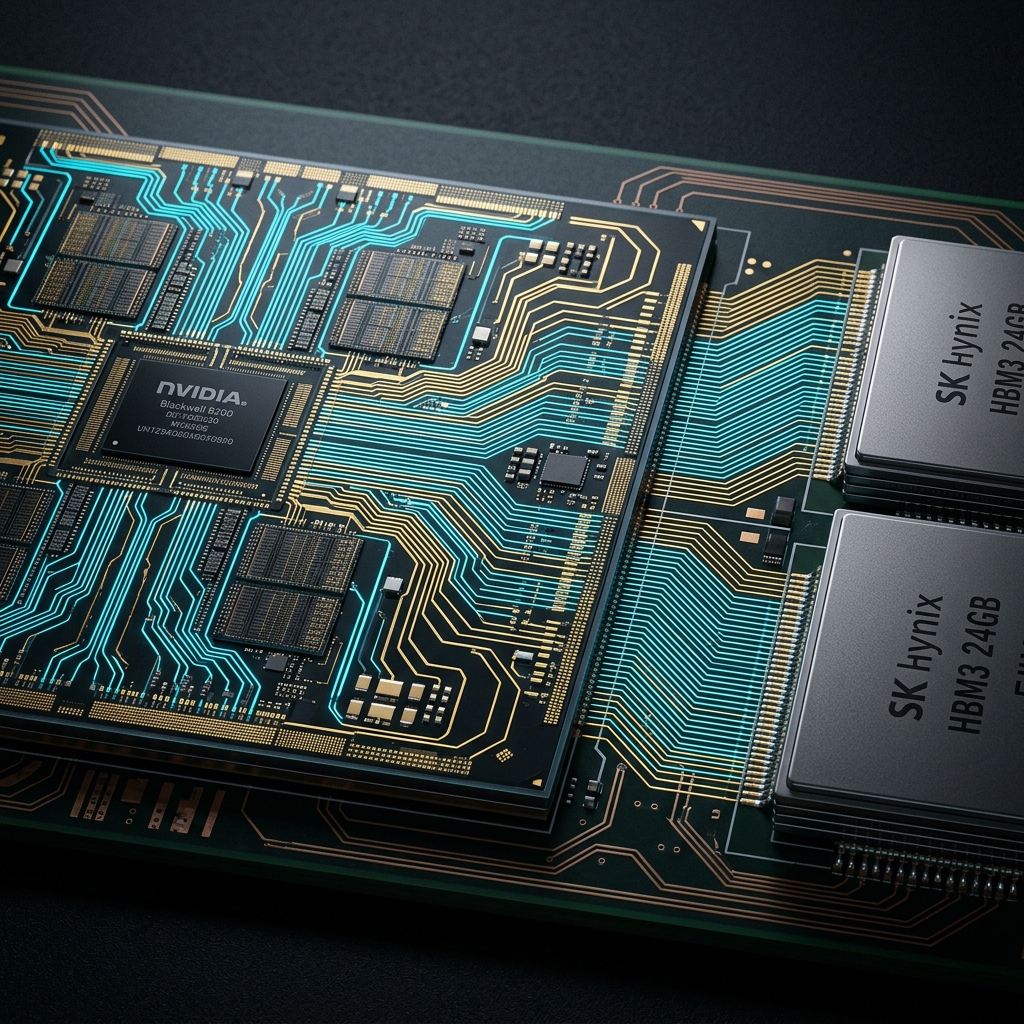
This evolution in Anthropic’s strategy marks a definitive departure from the traditional Silicon Valley ethos of exclusive, siloed infrastructure. The ‘crunch’ is driven by a convergence of several bottlenecks: the global scarcity of transformer substations, the rising Thermal Design Power (TDP) of next-generation chips like the NVIDIA Blackwell B200, and the multi-year lead times for grid connectivity. In this environment, a ‘competitor-courtship’ model is becoming a necessity.
By seeking collaborative resource sharing, Anthropic is looking to bypass the logistical hurdles of building its own dedicated facilities from scratch. This involves co-locating clusters in third-party or shared facilities where competitors might have excess power capacity or pre-approved building permits.
Technically, this shift requires a high degree of operational sophistication to mitigate the risks of intellectual property (IP) leakage. Frontier labs are increasingly looking at federated training protocols and hardware-level isolation to ensure that while the physical facility and power grid are shared, the proprietary model weights and training data remain secure. This ’tactical co-opetition’ allows companies to maintain their development velocity in an era where the primary currency of power is no longer just capital, but the physical ability to plug a GPU into a stable energy source.
From an industry-wide perspective, Anthropic’s move reflects a broader trend where the laws of physics and energy are dictating the roadmap of AI. The bottleneck has shifted from software ingenuity to the engineering of high-voltage power lines and advanced liquid cooling systems. As we progress through 2026, the ability to navigate these complex collaborative networks will likely define the winners of the AI race.
Secured compute time on a shared cluster has become more valuable than a solo facility that exists only on paper. Anthropic’s pragmatic response to the GPU and power shortage signals that the future of frontier AI will be built on a foundation of shared infrastructure and strategic resource diplomacy, rather than isolated dominance.